


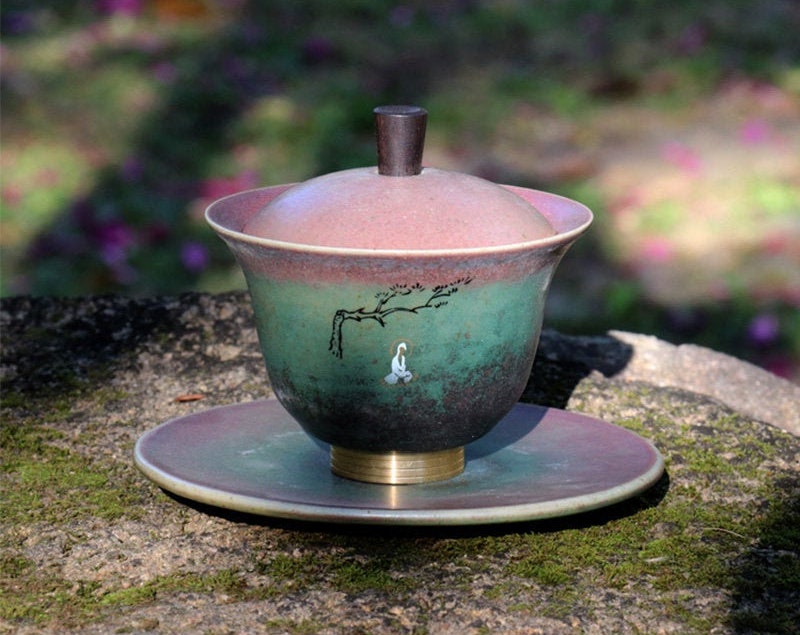
How Teacup Design Enhances the Tea-Drinking Experience? This question links form to flavor, comfort, and ritual. Good teacup design refines aroma, temperature, and mouthfeel simultaneously. Subtle geometry guides liquid flow onto the tongue precisely. Proper proportions create the right headspace for volatile aromas. Materials influence heat retention and taste perception directly. Ergonomics determine how steadily a cup is held during service. Every design choice amplifies or reduces sensory detail. For serious drinkers, teacup design matters as much as leaf quality. Thoughtful design transforms a beverage into a memorable moment.
How Teacup Design Enhances the Tea-Drinking Experience? Core Principles
How Teacup Design Enhances the Tea-Drinking Experience? Core principles begin with purpose and context. A tasting cup serves different needs than a breakfast mug. Aroma headspace must allow volatile compounds to collect above liquid. Rim shape directs tea toward the palate and alters the initial impact. Wall thickness mediates heat transfer and tactile perception. Balance and center of gravity affect steady pouring and handling. Finish and glaze can subtly shift perceived sweetness or astringency. Designers who respect these principles create cups that reveal rather than mask nuance. Repetition of careful choices yields consistent brewing results.
Materials, Walls, and Heat Retention
Materials govern how long tea stays at serving temperature. Porcelain offers neutral interaction with brew chemistry and moderate heat loss. Bone china feels thinner at the rim while retaining warmth elegantly. Stoneware and clay provide strong heat retention for long sessions. Double-walled borosilicate glass gives visual clarity and good insulation. Thin walls reveal delicate green teas more honestly. Thick walls suit robust black teas and prolonged sipping. Surface finish also matters. Matte glazes feel warmer to touch than glossy surfaces. Choosing material aligns service style with desired thermal behavior.
How Teacup Design Enhances the Tea-Drinking Experience? Shape, Rim, and Aroma
How Teacup Design Enhances the Tea-Drinking Experience? Shape dictates aroma capture and release. Narrow mouths concentrate scent for focused inhalation. Wider rims allow broader aroma dispersion and faster cooling. A flared lip shifts perception toward the tip of the tongue. A tapered profile routes tea toward the sweet or bitter zones of the palate. Internal curvature influences swirl and leaf movement during pouring. Volume above liquid, or headspace, permits bouquet development between pours. Designers manipulate these elements to highlight chosen flavor notes precisely and artfully for every cup.
Handle, Balance, and Ergonomics
Handles and overall balance determine comfort and control during pouring. An ergonomically placed handle reduces wrist strain over long sessions. Small ring handles work for delicate cups and light pours. Side handles give better leverage for heavier vessels and fuller pots. Weight distribution affects perceived quality and security in the hand. Rim thickness interacts with lip feel, influencing how smoothly tea hits the tongue. Textured grips can prevent slippage in humid conditions. Prioritize safe, confident handling when selecting a cup for repeated daily use or for ceremonial service.
How Teacup Design Enhances the Tea-Drinking Experience? Cups by Tea Type
How Teacup Design Enhances the Tea-Drinking Experience? Matching cup to tea type yields clearer expression. Green and white teas favor thinner rims and moderate volumes. Oolong benefits from modest headspace and medium walls to preserve aroma between infusions. Puerh and pu-er concentrate better in small, thick-walled cups with excellent heat retention. Black tea does well in larger cups that accept milk or sugar. Matcha requires bowls with wide mouths for whisking and visual appreciation. Selecting the proper teacup supports both flavor release and cultural brewing style for each variety.
Table: Teacup Features and Practical Effects
<table style="width: 100%; border: 1px solid #000;"><tr><td>Feature</td><td>Effect</td><td>Best For</td></tr><tr><td>Thin Rim</td><td>Precise mouthfeel</td><td>Delicate green teas</td></tr><tr><td>Tapered Profile</td><td>Directed sip, aroma focus</td><td>Oolong, pu-erh</td></tr><tr><td>Thick Walls</td><td>Heat retention</td><td>Black teas, long brews</td></tr><tr><td>Wide Mouth</td><td>Fast cooling, open aroma</td><td>Matcha, display</td></tr></table>
How Teacup Design Enhances the Tea-Drinking Experience? Interpreting the Table
How Teacup Design Enhances the Tea-Drinking Experience? The table clarifies direct links between feature and result. Thin rims amplify delicate textures for light teas. Tapered bowls channel aroma to the nose efficiently. Thick-walled cups preserve temperature for extended sipping sessions. Wide mouths favor visual engagement and whisking rituals. Using that table helps match vessel to brewing goals quickly. Designers and buyers can prioritize a single attribute or balance several. Practical application of these pairings improves consistency in daily service and tasting practice.
Design Checklist
-
Choose rim thickness that suits tea type
-
Match cup volume to infusion style
-
Prefer neutral glazes for subtle teas
-
Prioritize handles that fit comfortably
-
Consider material for heat retention and durability
Design Checklist: Putting Choices into Practice
Design Checklist steps make selection systematic and repeatable. Start by defining primary teas and serving situations. Select a rim profile that highlights favorite notes. Pick a volume that supports your pouring tempo and refill schedule. Choose a glaze that avoids metallic or plastic tastes. Test handle ergonomics with warm liquid before final purchase. Keep a small log noting how cups affect flavor and comfort. Iterative refinement leads to a curated set that consistently enhances tea rituals and guest impressions.
Aesthetics, Culture, and Sensory Perception
Aesthetic choices communicate context and cultural intent during service. Traditional Tenmoku or JianZhan finishes suggest lineage and ceremony. Modern minimalist forms signal casual, daily enjoyment. Surface texture and color influence perceived taste subtly. Dark glazes may emphasize roasted notes visually and mentally. Light, translucent porcelain invites focus on liquid clarity. Cultural context also guides acceptable cup shapes for formal ceremonies. Selecting appearance intentionally reinforces narrative and enhances emotional engagement with each pour and sip.
Teacup Materials Compared for Daily Use
Comparing teacup materials for routine use helps buyers make pragmatic choices. Porcelain balances neutrality with refined lightness. Stoneware tolerates daily knocks and retains warmth longer. Borosilicate glass resists thermal shock while showing brew color. Stainless steel often serves travel or outdoor needs with durability. Clay, including Yixing, can season with repeated use for complex teas. Evaluate ease of cleaning and dishwasher compatibility for practical upkeep. Material choice directly affects long-term enjoyment and maintenance frequency.
Cleaning, Care, and Longevity
Careful maintenance preserves both function and beauty over years. Handwashing with mild detergent prevents abrasive damage to rims and glazes. Avoid rapid temperature swings to limit cracking. Store cups upright with adequate separation to prevent chipping. Replace silicone or cork bases when worn to maintain stability. For porous clay, reserve certain pots for specific teas to avoid flavor cross-contamination. Regular inspection catches hairline cracks before they worsen. Consistent care extends lifespan and maintains the sensory integrity of every cup.
Choosing Cups for Brewing Rituals and Service
Selecting cups explicitly for ritual enhances the ceremonial aspect of brewing. Smaller tasting cups foster focus and encourage repeat pours. Larger serving cups support casual, social tea breaks among friends. Match cup aesthetic to service scale and guest expectations. For formal tastings, use consistent sets to allow fair comparison. For daily brewing, choose robust options that fit cleaning routines. Consider storage logistics and display when curating a set. Thoughtful choices foster reliable, repeatable service experiences.
How Teacup Design Enhances the Tea-Drinking Experience? Final Takeaways
How Teacup Design Enhances the Tea-Drinking Experience? Final points emphasize integration of form and function. Choose vessels that reveal leaf character naturally and reliably. Prioritize ergonomics to reduce distraction during service. Match headspace, rim, and walls to your favored tea family. Treat aesthetic and cultural cues as intentional tools for engagement. Maintain cups well to preserve sensory clarity and safety. Small investments in good design yield measurable improvements in aroma, flavor, and enjoyment. Practice and iteration refine a personal set that elevates every session.
Frequently Asked Questions
How does rim thickness change flavor perception in teacup design?
Rim thickness affects how liquid meets the tongue, altering initial taste perception. A thin rim produces a cleaner, more immediate contact with the palate. That immediacy often enhances perceived sweetness and delicate aromatics. Thicker rims soften the edge, blending flavors more gradually as liquid spreads across the tongue. When testing cups, use the same tea and steeping parameters for fair comparison. Note how perceived astringency or roundness changes with each rim profile. Small differences in rim geometry can shift tasting notes significantly, so sampling helps refine personal preference.
Which teacup materials preserve aroma best for delicate teas?
Porcelain and thin-walled bone china typically preserve delicate aromas best. Their neutral surfaces avoid interacting chemically with volatile compounds in the brew. Glass also preserves aroma while offering visual clarity, though it cools faster. Unglazed clays may absorb some aroma over time, which can either enhance character or introduce cross-notes. For truly delicate teas, choose non-porous materials and minimal glaze interference. Preheat cups gently to stabilize temperature and preserve ephemeral scent. Careful selection of material coupled with correct cup volume maximizes aromatic enjoyment.
Can teacup design reduce heat risk while keeping good flavor?
Yes, teacup design can balance safe temperature with optimal flavor extraction. Thick walls retain heat but increase exterior warmth, so consider handles or sleeves. Double-walled glass isolates heat from the hand while maintaining brew temperature. Rim geometry can encourage smaller sips, reducing tongue exposure to very hot liquid. Choosing slightly larger headspace allows heat to dissipate before sipping. Testing with a thermometer and adjusting pouring techniques helps find a safe and flavorful serving temperature. Thoughtful design reduces burn risk without compromising sensory quality.
Share:
Pros and Cons of Double-Walled Glass Teacups?
The History and Cultural Evolution of Teacups