

The History and Cultural Evolution of Teacups reveals how small vessels shaped rituals. Early cups held hot infusions and social meanings. In many cultures these objects carried symbolic weight. Craft traditions merged function with spiritual and aesthetic concerns. From private morning cups to public ceremonial wares, teacups signaled identity. Collectors value provenance, glaze, and maker marks. The phrase also points scholars to cross-cultural exchange and trade networks. Ceramic types, metalwork, and glass show divergent technical paths. Practical changes tracked brewing methods and social patterns. History records the teacup as both utility and artifact, linking taste to material craft.
The History and Cultural Evolution of Teacups: Early Origins and Ritual Beginnings
The History and Cultural Evolution of Teacups began in early ceramic cultures. Clay cups appear in burial and domestic contexts across Asia. Small bowl forms served for both food and hot beverages. Potters experimented with firing and slip to control color and sheen. Early glazed surfaces offered hygiene and heat resistance. Religious uses emerged where drink played sacramental roles. Court ritual used refined cups as status markers. Trade spread techniques and shapes over long distances. Archaeological finds show incremental refinements in rim, base, and profile. Scholars use kiln records to track technological change and social adoption.
The History and Cultural Evolution of Teacups: Regional Styles and Asian Roots
The History and Cultural Evolution of Teacups emphasizes Asian innovation and regional variation. Chinese kilns produced delicate porcelain and robust stoneware. Japanese artisans favored thin-walled forms for tea ceremony aesthetics. Korean vessels focused on restrained glaze and elegant proportions. Southeast Asian groups adapted metalworking in local rites. Each region tuned teacup size to brewing style and serving habits. Cultural preferences shaped rim thickness and cup mouth diameter. Glaze color often aligned with symbolic palettes and seasonal motifs. Regional workshops trained generations of potters who refined tool use and decorative idioms.
The History and Cultural Evolution of Teacups: Global Spread and Adoption
European contact brought teacups into western dining and social life. Porcelain imports from Asia transformed aristocratic tea rituals. Domestic potteries began imitating imported wares with local clays. Coffee and tea houses emerged as public salons for politics and taste. The teacup evolved into a sign of hospitality in many countries. Merchants adapted shapes to local serving conventions and cup-handle design spread. Industrial production later standardized sizes for mass markets. Cultural exchange continued as motifs and forms traveled via trade routes. This global spread increased demand and inspired hybrid designs across continents.
Materials, Glazes, and the Craft of Teacup Making
Materials shape both utility and aesthetic in teacup making. Porcelain yields thin, translucent cups prized for delicate teas. Stoneware provides heft and robust heat retention for stronger brews. Glass emphasizes color and visual clarity in infusion. Metal cups offer durability but require lining to avoid metallic taste. Clay types, firing temperatures, and glaze chemistry determine final properties. Potters balance porosity with thermal behavior and tactile comfort. Decorative techniques include underglaze painting and slip inlay. Conservation efforts now analyze glaze composition to authenticate historic pieces and to preserve fragile examples.
Design Shifts and the Role of Ceremony in Teacup Use
Design changes reflect shifts in ritual and daily habit. Tea ceremony traditions favored smaller cups to encourage mindful sips. Domestic service often required larger cups for practical hydration. Handle form evolved for finger comfort and thermal separation. Rim profiles adapted to pouring speed and mouthfeel. Visual motifs expressed local values or commemorated events. Ceremonial sets used matched cups for coordinated display. Designers today revisit these forms while answering modern ergonomic concerns. Museums document these shifts through curated displays that show form, context, and use together.
Industrialization, Mass Production, and Collecting Cultures
Industrial methods altered the teacup’s social role. Standardized molds and glazing permitted wide distribution. Affordable sets entered middle-class homes globally. Antique markets subsequently prized pre-industrial and handmade wares. Collectors specialize in kiln marks, glaze types, and provenance. Auction houses and private dealers authenticate rare examples carefully. Scholarship now balances market interest with technical study. Conservation science developed to stabilize old glazes and repaired rims. This tension between mass culture and collectible rarity sits at the core of the teacup’s modern cultural life.
Teacup Aesthetics, Function, and Modern Revival
Contemporary potters reinterpret historical teacup models for modern use. Minimalist and artisanal movements emphasize tactile qualities. Designers explore balance between insulation and thin rims. New materials, like borosilicate glass, address transparency and shock resistance. Craft studios often produce limited runs that reference historical glazes. Maker communities revive lost techniques and train apprentices. Consumers respond to authenticity through origin stories and visible hand marks. Scholarly interest in material culture fosters a feedback loop between research and studio practice that strengthens craft continuity.
Conservation, Museums, and Teacup Scholarship
Museums conserve teacups as witnesses to daily life and ritual practice. Curators document kiln records and historic inventories. Scientific analysis of glaze and clay supports accurate dating. Public exhibitions contextualize cups with teapots and utensils. Conservation labs use reversible adhesives and leveling fills for fragile rims. Ethnographic displays show usage patterns and social meanings. Academic publications examine teacup iconography and economic history. Training programs in ceramic conservation nurture future specialists. This sustained scholarship underpins credible narratives about the teacup’s cultural evolution.
List of Key Moments in Teacup Evolution
-
Development of high-fired porcelain in East Asia
-
Introduction of handles in European serviceware
-
Rise of tea houses and public tea culture
-
Mechanized production and standardized sizes
-
Contemporary revival of artisan teacups
How to Read the List of Key Moments in Teacup Evolution
This list highlights milestones that shaped cups and their meanings. Each moment shifted production, use, or social value. Porcelain development created a luxury market for thin cups. Handles adapted cups for handheld comfort in Europe. Tea houses turned drinking into public discourse. Mechanization made teacups a household standard. The recent revival reconnects craft with conscious consumers. Reading these moments together reveals a trajectory from elite ritual to widespread practice and back toward artisanal recognition.
Comparative Table of Regional Teacup Types
| Region | Typical Material | Common Size | Characteristic |
|---|---|---|---|
| China | Porcelain/Stoneware | 60–120 ml | Thin, translucent, decorated |
| Japan | Porcelain/Clay | 40–90 ml | Rustic, wabi-sabi aesthetics |
| Korea | Celadon/Porcelain | 50–100 ml | Subtle glaze and form |
| Europe | Porcelain/Glass | 150–240 ml | Handles and larger service sets |
How to Use the Comparative Table in Study and Practice
The table supports practical reading of regional differences. Start by matching material to brewing style and tea type. Note that size choices reflect serving traditions and temperature control. Use regional norms as templates, not rules, when selecting modern cups. Conservation status and market rarity inform collecting strategies. Field researchers combine typology with oral histories to capture user practices. This approach links technical detail to lived experience and makes teacup history usable for makers and collectors alike.
The History and Cultural Evolution of Teacups: Contemporary Meaning and Legacy
Recent scholarship links teacups to identity, ritual, and sustainability. Makers emphasize local clay and low-energy firing. Museums promote responsible collecting and loan programs. Designers propose recyclable glazes and modular sets to reduce waste. Community workshops teach traditional throwing and glazing. Social media revives interest through shared maker narratives. Buyers now seek provenance and ethical production. The phrase also frames critical debate about commodification and cultural appropriation. Engaged practice couples respect for origins with innovation in form and function.
From cultural history to an everyday cup
Historical styles are useful for understanding why teacups look different, but a modern purchase should also be judged on its own terms. Ask what the cup is made from, how much it holds, whether its rim feels comfortable, and what care the seller recommends. An evocative glaze or a traditional shape can be part of the appeal; neither alone establishes the age or origin of a particular piece. If provenance is important to you, seek documentation for that individual item rather than relying on a style name.
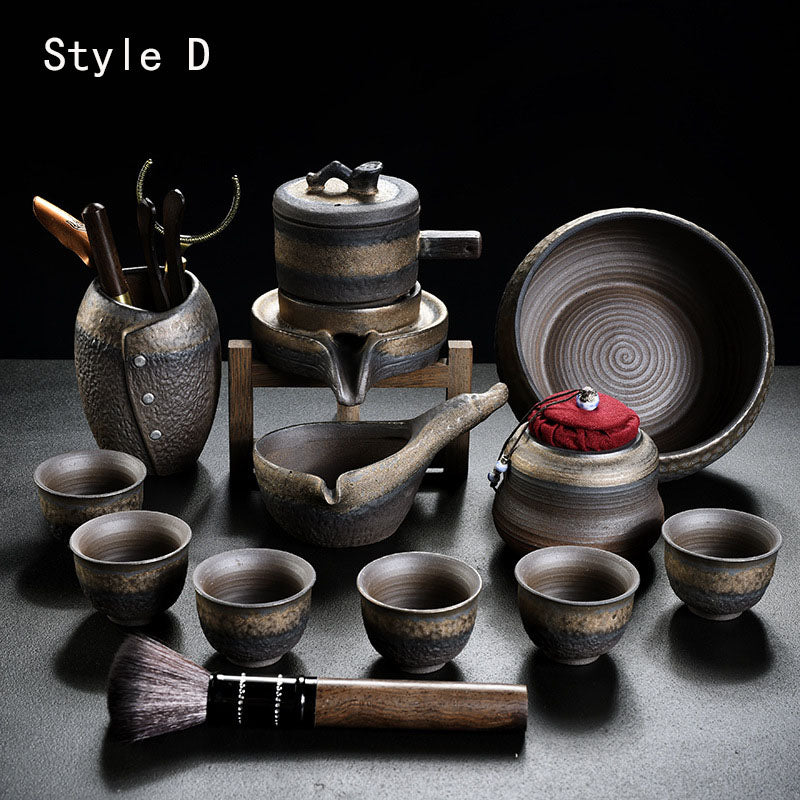
To explore contemporary interpretations, visit our Jian Zhan and Tenmoku collection and compare the surfaces and forms of the listed cups. The broader tea cups collection offers more finishes for daily use. For a present, the gift collection includes both individual cups and tea cup gift sets; check each product listing to see exactly what is included. In that way, the story of a teacup can inform the choice without replacing practical questions about capacity, handling, and suitability for the person who will use it.
Final Reflections on the Cultural Life of Small Vessels
Small vessels like teacups encode history, taste, and social change. Their forms capture technological development and aesthetic values. Everyday use links private ritual to broader cultural currents. Craft continuity depends on skilled artisans and informed audience support. Preservation of kiln sites and training programs secures future innovation. Readers and practitioners can value teacups both as usable objects and as study subjects. Ongoing research into material composition and social practice will refine our understanding. The cup thus remains a modest vessel with remarkable cultural power.
Frequently Asked Questions
What are the earliest documented forms in The History and Cultural Evolution of Teacups?
Early ceramic bowls and small cups appear in archaeological layers across Asia and the Near East. Their forms often served both food and hot infusion needs. Kiln records from later dynasties describe specialized firing techniques that created durable tableware. Decorative motifs from ritual contexts reveal symbolic meanings and status uses. Trade documents show how imported wares shifted social practices in ports and courts. Ethnographic studies link these early vessels to daily habits and ceremonial acts. Altogether, such evidence forms a layered narrative of innovation, trade, and ritual in the teacup’s emergence.
How can collectors authenticate items linked to The History and Cultural Evolution of Teacups?
Authentication combines technical analysis with documentary research and provenance. Specialists examine clay composition, glaze chemistry, and kiln residue using noninvasive methods. Maker marks and kiln stamps serve as important clues when cross-checked with archival lists. Visual inspection of firing flaws and handling wear helps determine age and use. Provenance records, auction catalogs, and prior conservation reports further validate claims. Expert networks and institutional collaborations improve accuracy and reduce misattribution. Collectors should rely on peer-reviewed studies and accredited labs for high-value pieces to ensure credibility and preservation.
Why does the tiny teacup matter in cultural histories of taste and exchange?
Small teacups concentrate sensory experience and ritual intensity. Their scale promotes focused sipping and attention to aroma and flavor. As objects they migrate through trade networks and carry stylistic influence. The teacup’s portability supports both intimate ceremony and public hospitality. Its changes over time reflect technological advances, economic shifts, and evolving social norms. Scholars thus use the teacup as an index of broader historical processes, including imperial trade, local craft systems, and modern consumer culture. Studying cups reveals how material objects mediate human relationships across centuries.
Share:
How Teacup Design Enhances the Tea-Drinking Experience?
Japanese Teacups vs. Chinese Teacups: What’s Different?