

A glazed porcelain cup is a practical starting point for drinking green tea when you want an easy-to-clean surface and a light background for viewing the tea. Clear glass suits people who want to see the liquid through the sides. Other glazed ceramic cups can also work well when their size, grip and finish suit your routine. No material automatically makes every green tea taste better.
First decide whether you will brew leaves in the cup or pour in tea that has already been brewed elsewhere. That distinction matters more than a broad claim that one material is best. A small serving cup and a large infuser mug have different jobs, even when both are sold for green tea.
Compare materials by how you use the cup
Porcelain is a type of ceramic, not a completely separate category. The Victoria and Albert Museum's description of porcelain identifies it as a ceramic material. For shopping purposes, the table separates porcelain from other glazed ceramics so that the categories match common product descriptions without treating them as unrelated materials.
| Cup type | Why you might choose it | What to check | What not to assume |
|---|---|---|---|
| Glazed porcelain | A light interior can provide a useful background for the tea's color. | Interior finish, capacity, rim, grip and care requirements. | Every porcelain cup is thin, light or identical in cooling behavior. |
| Clear glass | You can see the liquid level and tea through the sides. | Hot-drink suitability, single or double walls, and infuser fit if needed. | All glass tolerates the same temperatures or cools tea at the same speed. |
| Other glazed ceramic | A wide choice of shapes, surface finishes and visual styles. | Interior color, filled weight, usable volume and cleaning access. | It is always more durable or better at retaining heat than porcelain or glass. |
| Unglazed clay | A particular vessel may appeal to an established tea routine. | The maker's intended use, surface characteristics and care requirements. | Every unglazed cup behaves alike, or is automatically unsuitable for green tea. |
Use the table to narrow your options, then compare individual products. A familiar cup that fits your hand and serving size may be more useful than an unfamiliar shape advertised as ideal for green tea. Material is one part of the decision, not a substitute for capacity and care information.
Scenario one: brewing green tea directly in the cup
If the leaves remain in the cup, the vessel is part of your brewing setup. You need enough space for the water and leaves, a comfortable way to drink, and a plan for managing contact time. With a removable infuser, check that the basket fits the opening and can be lifted without spilling tea onto your hand or table.
A clear glass cup can make leaves and water level visible, but visibility does not control extraction. A porcelain mug can hold an infuser just as practically if the dimensions suit it. The important comparison is between complete setups: cup, usable volume, basket or strainer, and where the wet leaves will go after brewing.
Start with the tea producer's brewing recipe. For one specific example, Ippodo's basic sencha preparation uses water at 80°C and serves the tea after 60 seconds. That is a recipe for its stated preparation, not a universal temperature or time for every green tea. Changing the cup cannot replace choosing suitable brewing conditions.
If you prefer leaves left loose in the drinking vessel, consider how the drink changes while you sip and refill. That routine is different from removing a basket at a set time. Buy for the method you actually use instead of assuming that a cup's material will prevent the tea from becoming stronger.
Scenario two: drinking tea brewed in a teapot or gaiwan
When a teapot or gaiwan does the brewing, a separate cup receives the finished tea. After the leaves have been separated, a thick drinking cup does not by itself cause continued steeping. The temperature of the served tea can change, but that is not the same as leaving leaves in hot water.
For this setup, focus on how much you pour per round, the cup's rim and the way you hold it. A smaller cup may suit repeated servings; a larger one may suit fewer refills. Neither arrangement is inherently more authentic or better tasting. It simply changes the rhythm of your tea session.
Match the cups to the actual tea coming out of the brewer. If you have 120 ml to share between two people, each can receive about 60 ml. A cup listed at 70 ml might or might not provide your preferred headroom for that pour, depending on how its capacity is measured. Do not plan to fill every cup to its edge.
For a solo drinker, a pitcher can hold the remaining tea while a small cup is refilled. Without a pitcher, make sure the receiving vessel can comfortably accommodate the output when you need to empty the brewer. Solve that volume mismatch before debating the difference between porcelain and glass.
Porcelain: a useful option, not a flavor guarantee
A glazed porcelain cup can be convenient when you alternate between different teas and want an accessible surface for washing. A light-colored interior can also make it easier to view the tea against a consistent background. Check the actual interior, because a decorated or dark interior does not provide the same view as plain white.
Porcelain does not have one fixed thickness or weight. Compare the product photographs and dimensions rather than assuming all porcelain cups have a delicate rim. A cup can be attractive while still feeling too wide, too narrow or too small for your usual pour.
A porcelain cup also cannot guarantee a clean-tasting drink regardless of how it is used. Residue, detergent left after washing and the brewing recipe can all complicate a taste comparison. Keep the cup clean and compare the same brewed tea at similar temperatures before attributing a preference to the vessel alone.
Glass: useful for visibility, with construction to check
Clear glass offers a side view that an opaque cup cannot. It can be a good match if you enjoy watching leaves in a brewing vessel or want to see the liquid level clearly. Tinted, patterned or frosted glass will provide a different view, so do not rely on the category name alone.
Check whether the glass is intended for hot drinks and whether it has a single or double wall. Do not assume that every glass cup cools tea quickly. Structure, shape, serving volume and the surrounding conditions all affect the result. A comfortable outer surface also does not prove that the tea inside is ready to drink.
If you are comparing tea colors rather than simply enjoying the view, use matching cups and similar lighting. Switching between clear glass and a dark ceramic interior at the same time as switching teas changes more than one variable. For a broader material comparison, see our ceramic and glass teacup comparison.
Other glazed ceramics and unglazed cups
You do not need to rule out a glazed ceramic cup because you drink green tea. A patterned glaze or substantial form may be exactly what you enjoy holding. Compare the interior surface, capacity and rim, and avoid claims that a cup must improve sweetness or preserve every aroma simply because of its material.
Unglazed clay needs a more product-specific decision. Different bodies, firing methods and finishes do not produce identical surfaces. Rather than declaring all unglazed cups unsuitable, check the maker's intended use and cleaning requirements. If you prefer a simple cup for many different drinks, a smooth glazed surface or suitable glass may be easier to assess before buying.
There is no need to buy specialized clay teaware to start drinking green tea. Begin with a suitable vessel you can clean and use comfortably. A more specialized piece can be considered later if it serves a particular routine you already enjoy.
A smaller porcelain option: Gold Tree Porcelain Tea Cup
The Gold Tree Porcelain Tea Cup is an ARTTEACUP option for smaller servings after brewing separately. Its current listing offers option A at 70 ml and option B at 90 ml. These are separate variants, so check the selected option rather than treating the two capacities as interchangeable.

The listing gives diameters of 6.4 cm for A and 5.6 cm for B. The option with the larger stated capacity is therefore not the one with the larger listed diameter. This is a useful reminder to compare capacity and profile together instead of estimating serving volume from width alone.
These small capacities are not a replacement for a large desk mug. Choose between them according to your normal pour, preferred shape and refill routine. The product listing marks microwave and direct stovetop use as unsuitable. Its appearance and porcelain description are not evidence that it will improve the taste of your tea.
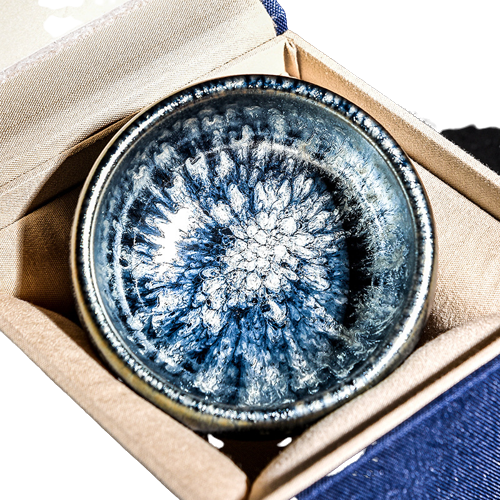
If you prefer a blue patterned glaze, the existing Blue Kirin Zen Jianzhan Teacup remains another option to compare. Check its current specifications against your serving size. The choice between these products is about their actual form and use, not a tested ranking of flavor or heat retention.
Capacity, grip and cleaning before you buy
Measure your regular pour with room-temperature water before ordering. The listed capacity may not equal the volume you comfortably carry. Leave space below the rim, especially when moving between a kettle, tray and table. Our teacup capacity chart includes ml and US fluid-ounce comparisons and a household measuring method.
For a handleless cup, compare the opening and profile with a cup you already find comfortable. For a handled cup, check finger clearance and filled weight. Neither a material label nor a close-up photograph tells you how the vessel will feel in your own hand.
- Confirm whether you need a brewing vessel or a serving cup.
- Check the actual capacity of the selected option.
- Choose the interior color and visibility you prefer.
- Check cleaning access and the specific product's washing requirements.
- Do not assume dishwasher or microwave compatibility from the material name.
- Inspect the rim and stop using drinkware with structural damage.
After use, follow the maker's care requirements, rinse away cleaning residue and dry the cup before storage. Avoid sudden temperature changes and abrasive tools unless the maker permits them. Straightforward maintenance is more valuable than a promise that a particular material never stains or never retains residue.
Frequently asked questions
What is the best cup for green tea?
For a straightforward starting point, compare a glazed porcelain cup with a clear glass cup of a similar usable size. Porcelain can provide a light interior background; glass offers side visibility. Choose by your brewing method, serving size and cleaning needs rather than expecting either material to guarantee better tea.
Can I drink green tea from a ceramic cup?
Yes, a suitable ceramic drinking cup can be used for green tea. Porcelain itself belongs to the ceramic category. The important checks are the specific product's intended use, surface, size and care requirements, not a rule that green tea requires glass.
Will a thick cup over-steep green tea?
Not when the tea has already been separated from the leaves. If leaves remain in the cup, their contact time and brewing conditions still matter. Distinguish those two situations before blaming cup thickness for a strong drink.
Do I need a special cup for every green tea?
No. You can use a suitable, clean serving cup for different green teas. A separate cup may be convenient for a different volume or visual preference, but collecting more vessels is not a prerequisite for enjoying several teas.
Should I replace a cup that already works for me?
Only if the new cup solves a practical need: a more comfortable grip, a different serving size, clearer visibility or a finish you prefer. If your existing cup meets those needs, changing the brewing recipe may be more relevant than buying another vessel.
Share:
Ceramic vs Glass Teacups: Heat, Taste and Everyday Use
Why Porcelain Teacups Preserve Tea Aroma Better?