

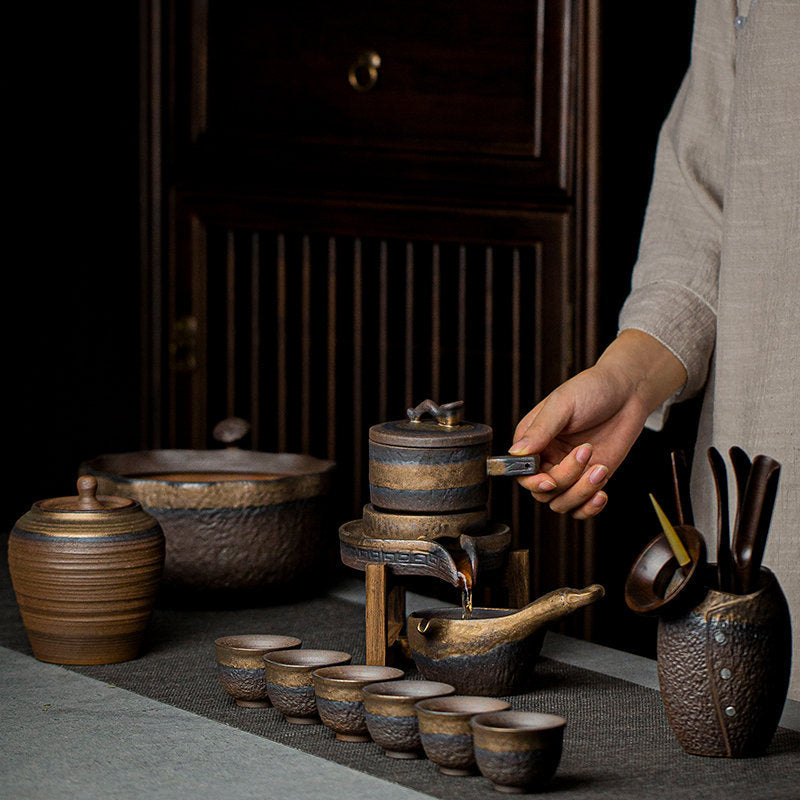
What is the best material for making teacup is a question many tea lovers often ask. The choice of teacup material directly affects taste, safety, and durability. Among all possible materials, porcelain consistently stands out as the best option. Porcelain combines elegance, practicality, and tradition. It enhances tea flavor, ensures long use, and looks beautiful in any collection. Choosing porcelain as the material for a teacup reflects both cultural value and practical preference. A good teacup should be durable, easy to clean, and safe for daily use. Porcelain meets all these requirements perfectly.
What Is The Best Material for Making Teacup and Why Porcelain Stands Out
When evaluating what is the best material for making teacup, porcelain offers a balance between elegance and function. Fired at high temperatures, porcelain becomes durable and non-porous. This means it resists absorbing flavors or stains, keeping every cup of tea fresh. Porcelain’s durability allows it to last for years without losing beauty. The designs available range from simple to ornate, making it suitable for any tea table. Its smooth surface is easy to clean and safe to handle. Seniors, adults, and even children can safely use porcelain cups. This makes porcelain a versatile and reliable choice.
Appearance Matters in What Is The Best Material for Making Teacup
A strong reason why porcelain is the best material for making teacup is its elegant appearance. Unlike glass or plastic, porcelain supports detailed artwork and unique finishes. Patterns created through glazing enhance its decorative quality. Many cups even feature cultural motifs that enrich the tea-drinking experience. A beautiful teacup improves both presentation and enjoyment. Drinking tea from porcelain feels refined and sophisticated. Collectors appreciate porcelain not only for utility but also for artistry. Its beauty elevates ordinary tea sessions into moments of style and tradition.
Durability and Safety in Choosing What Is The Best Material for Making Teacup
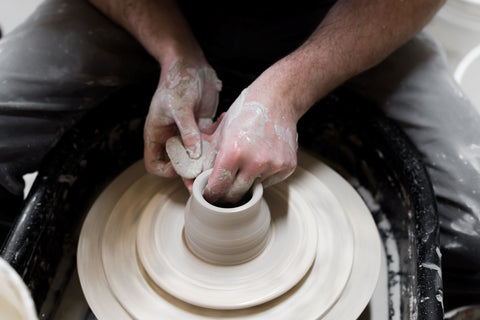
Porcelain is one of the most durable materials available. Its strength comes from being fired at extremely high heat. Unlike ceramic with porous structures, porcelain remains non-porous even without glaze. This prevents liquids from seeping into the material. As a result, porcelain teacups last for decades with proper care. They resist cracking, scratching, and staining better than other materials. Safety is also important. Unlike plastics that may release harmful chemicals, porcelain is entirely safe for daily use. This makes it ideal for both adults and children.
Easy Maintenance and Cleaning of Porcelain Teacups
Maintaining porcelain teacups is simple and effective. Washing requires only soap and water, followed by quick drying. For convenience, many porcelain cups are dishwasher safe. The smooth surface ensures that no tea stains remain after cleaning. Even after years of use, porcelain retains its shine and brightness. Unlike metal, it does not rust or corrode. Unlike wood, it does not absorb moisture. With minimal care, porcelain maintains both function and appearance. This ease of maintenance adds to its reputation as the best material for making teacup.
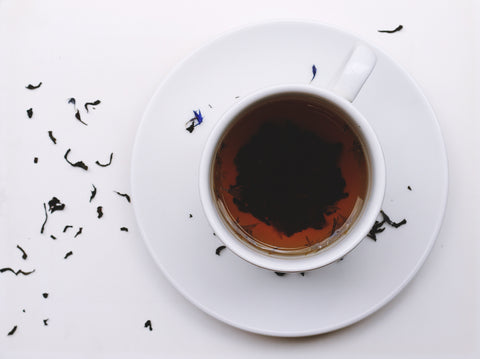
Benefits List for Selecting Porcelain as Teacup Material
-
Extremely durable and long-lasting
-
Non-porous and safe for daily use
-
Elegant designs and cultural artistry
-
Easy to clean and maintain
-
Suitable for all ages
These benefits prove why porcelain is considered the best material for making teacup. Durability ensures long-term use. Safety makes it practical for families. Aesthetic value enhances tea experiences. Cleaning convenience saves time. Elegance brings cultural and personal satisfaction. Collectively, these reasons make porcelain the unmatched choice for teacup material.
Comparison Table: Evaluating the Best Material for Making Teacup
| Material | Durability | Safety | Appearance |
| Porcelain | High | Excellent | Elegant |
| Glass | Medium | Good | Transparent |
| Plastic | Low | Poor | Basic |
| Metal | Medium | Good | Industrial |
This comparison shows why porcelain consistently wins in what is the best material for making teacup. While glass and metal offer some benefits, porcelain outperforms in durability, safety, and style. Plastic falls short in all categories, making it the least suitable. Tea lovers seeking quality should prioritize porcelain. The combination of elegance, safety, and long-lasting value makes it superior.
Passing Down Porcelain Teacups Across Generations
A unique aspect of porcelain is its longevity. Many families pass down porcelain teacups as heirlooms. Their durability ensures they can last for decades or even centuries. With proper care, they retain both beauty and strength. This cultural tradition highlights porcelain’s unmatched value. A plastic or glass cup cannot hold such significance. Porcelain teacups become symbols of memory and heritage. Choosing porcelain connects present moments with future generations. This emotional dimension strengthens its reputation as the best teacup material.
Cultural and Artistic Value of Porcelain Teacups
Porcelain teacups often carry cultural meaning. Many designs reflect artistic traditions from China, Japan, and Europe. Intricate glazes and patterns make each cup unique. Collectors value porcelain for both utility and art. Drinking tea from porcelain is not only practical but also cultural. It represents centuries of tradition in tea ceremonies worldwide. This artistic and cultural depth enhances tea enjoyment. Choosing porcelain allows one to experience tea as both beverage and art.
Final Thoughts on What Is The Best Material for Making Teacup
When considering what is the best material for making teacup, porcelain remains the top choice. It offers durability, safety, elegance, and cultural richness. Easy maintenance adds practicality, while appearance enriches the tea experience. Families often treasure porcelain for its ability to last generations. Other materials may serve temporary purposes, but none provide the same balance. For anyone seeking quality tea experiences, porcelain is the ultimate option.
Frequently Asked Questions
1. Why is porcelain the best material for making teacup?
Porcelain combines strength, safety, and beauty. Its non-porous surface ensures no liquid absorption. This maintains flavor purity. High durability prevents cracks and scratches over time. Porcelain also resists staining, keeping cups bright and elegant. Unlike plastic, porcelain is free from harmful chemicals. It is safe for children and adults alike. The wide variety of artistic designs enhances tea enjoyment. Porcelain brings both functionality and tradition, making it the best choice.
2. How should porcelain teacups be maintained for long use?
Porcelain teacups require simple care. Use mild detergent and water for cleaning. Rinse thoroughly and dry immediately. Most porcelain teacups are dishwasher safe. Avoid harsh scrubbing that may scratch delicate designs. Store cups in a safe place to prevent breakage. Proper care ensures porcelain retains shine and color for decades. Unlike wood or plastic, porcelain will not absorb odors. Regular cleaning keeps tea flavors pure. Consistent maintenance ensures teacups remain valuable for generations.
3. Are porcelain teacups suitable for daily family use?
Yes, porcelain teacups are ideal for daily use. They are safe for both children and adults. Non-porous surfaces prevent harmful absorption. Porcelain handles heat well, making it perfect for hot tea. Families benefit from durability and ease of cleaning. Porcelain is lighter than metal, reducing strain for seniors. Its safe composition avoids the risks linked with plastics. The elegant look also enhances daily family tea rituals. Choosing porcelain supports both functionality and beauty in everyday life.
Share:
Why Is It Important to Choose The Right Teacup?
How to Brew Different Kinds of Tea