

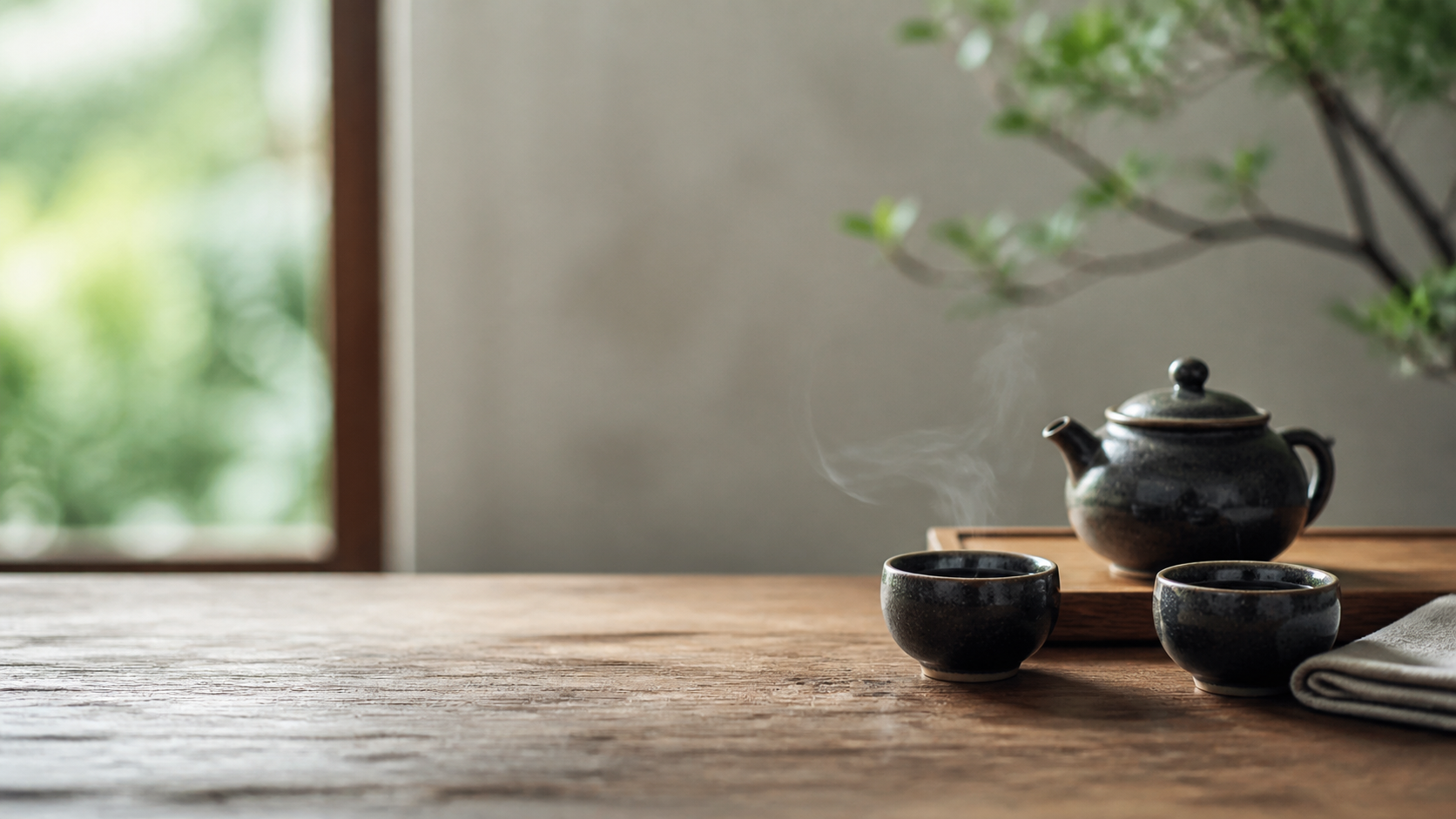
A tea ceremony is a mindful way of preparing and sharing tea. This guide explains the essentials, helps beginners create a meaningful routine, and shows how the right cup can make everyday tea feel more intentional.
What is a tea ceremony?
A tea ceremony is a deliberate way of preparing, serving, and drinking tea. It may be formal or informal, traditional or personal, but it always gives attention to the process rather than rushing to the result. Water is heated, leaves are measured, cups are warmed, and tea is poured with care. The steps create a pause in the day and make a simple drink feel shared and memorable.
The purpose is attention, not performance
Many people assume a tea ceremony requires strict rules or expensive tools. In practice, the central idea is attentiveness. Notice the fragrance of dry leaves, the sound of water, the warmth of the cup, and the pace of each pour. A host considers guests; a guest receives the tea with presence. Those small choices are more important than copying a perfect sequence from a book or video.
Essential elements
Most tea ceremonies include tea, clean water, a brewing vessel, cups, and a calm surface. Gongfu-style sessions often use a small teapot or gaiwan and several short infusions. Other traditions may use a tea bowl or a larger pot. The tools are different, yet the useful principles remain the same: keep the setting uncluttered, pour at a comfortable temperature, and choose a rhythm that lets the tea change from infusion to infusion.
Why cup choice matters
The cup is where the ceremony becomes personal. A small handleless cup supports repeated tasting and lets each fresh pour arrive at a drinkable temperature. A handmade Jianzhan or Tenmoku cup can add visual depth: dark glaze offers contrast with pale foam and amber tea, while subtle differences in surface make every place setting feel individual. Choose a cup for comfort first, then allow the color and texture to shape the mood.
A simple ceremony at home
Set out one tea, a kettle, a brewing vessel, and two or three cups. Warm the cups with hot water, discard that water, then brew a short first infusion. Serve each person before refilling a cup. Between pours, give the tea a moment: observe its color, smell it, and talk only if conversation adds to the setting. This small sequence works on a kitchen table, a desk, or a quiet outdoor morning.
Care and respect for tools
Tea tools do not need to be precious to deserve care. Rinse cups after use, dry them before storage, and avoid sudden temperature changes. Use a soft cloth for handmade glaze. If a piece has product-specific care guidance, follow it rather than assuming it is suitable for a dishwasher or microwave. Care supports the ceremony because it keeps the next session simple and welcoming.
| Element | Purpose | Simple home version | What to notice |
|---|---|---|---|
| Tea | Sets the session’s character | One favorite loose-leaf tea | Aroma and changes between infusions |
| Brewing vessel | Controls steeping | Small teapot or gaiwan | Temperature and pour speed |
| Cup | Brings tea to the drinker | Small ceramic tea cup | Rim, warmth, color of tea |
| Setting | Creates a calm rhythm | Clear table and folded cloth | Ease, comfort, conversation |
How to begin
- Start with one small, repeatable practice.
- Choose tools that feel comfortable and easy to care for.
- Pour slowly, notice aroma and temperature, and adjust the routine to your own tea.
- Keep the focus on attention rather than perfection.
Tea ceremony traditions and personal practice
Tea ceremony is not one universal script. Chinese tea practice, Japanese tea ceremony, Korean tea culture, and family customs in many places each have their own histories, tools, and gestures. Learning from those traditions with care is valuable, but a beginner does not have to copy a formal occasion at home. A personal tea ceremony can be a clear table, one tea you enjoy, and fifteen undistracted minutes. The aim is presence rather than performance.
Gongfu-style brewing is helpful for anyone who enjoys tasting how leaves change over several infusions. A small pot or gaiwan holds the tea; water is added and poured away after a short steep; the tea is shared in small cups. The first brew may be light and fragrant, while later brews can become rounder or deeper. This rhythm makes tea easier to explore because you can adjust time and temperature gently rather than expecting one large pot to be perfect.
Choose tea, water, and temperature with intention
There is no single best tea for a ceremony. Choose leaves you genuinely want to drink, then use the supplier’s directions as a starting point. Many green teas prefer water below a full boil, while many oolongs, black teas, and aged dark teas welcome hotter water. Change one variable at a time. If tea tastes sharp or drying, lower the temperature or shorten the steep; if it tastes thin, try slightly more leaf or a little more time. Small adjustments teach more than chasing a fixed rule.
Fresh drinking water gives you a dependable foundation. Heat only what you expect to use, especially for small pots and short infusions. Put the kettle where you can lift it safely, keep a cloth nearby for drips, and use a stable surface. These simple preparations allow you to pay attention to aroma, warmth, and company instead of trying to manage a hurried cleanup.
Make the table welcoming
A ceremonial tea table does not need to look elaborate. Clear a small area, choose a heat-safe tray or surface, and keep only the tools you will use within reach. A folded tea cloth is useful for catching drips and gives your hands a familiar place to return between pours. Daylight, a modest flower, or quiet music can be pleasant, but none is essential. The best setting is one in which everyone can sit comfortably and the host can move with ease.
When serving another person, explain only what is helpful: perhaps that the tea comes in several small pours, or that the cup is warm. Offer the cup by its side or base, keeping the rim clear, and do not fill it to the edge. Serve each guest before returning to top up one cup. These are not tests of etiquette. They are ordinary gestures that make tea easier to receive and show attention to the person at the table.
A fifteen-minute beginner ritual
- Set out one tea, a kettle, a brewing vessel, cups, and a cloth on a clear surface.
- Warm the vessel and cups with hot water, then discard that water.
- Make a short first infusion using the tea’s recommended temperature as a guide.
- Pour evenly, notice aroma and color, and take a sip before discussing the tea.
- Make one or two more infusions, adjusting steep time as the leaves open.
- Rinse the tools, dry the surface, and leave the area ready for next time.
Build a useful tea set slowly
New tea drinkers often buy accessories before knowing what they will use. Begin with a kettle, one brewing vessel, and one or two comfortable cups. If you drink alone, a tea bowl or favorite cup may be enough; if you share tea, a small set makes serving easier. Add a fairness pitcher only when it helps divide brewed tea evenly, and use a tray when it makes cleanup simpler. Useful tools reduce friction instead of creating more decisions.
Material changes the mood without determining whether tea is good. Porcelain is light and makes liquor color easy to see. A dark Jianzhan or Tenmoku cup can frame amber tea with rich contrast and add visual depth to a quiet table. Choose comfort first: notice the weight, rim, and heat in the hand. Then choose the glaze or color that makes you want to return to the cup.
Common mistakes and lasting habits
The common mistake is treating every detail as a rigid rule. Brewing is responsive: leaf quantity, water, temperature, and time work together. Another is letting leaves steep while arranging other tools; prepare the space first, then focus on the infusion. Finally, rinse and dry your tools after use. A small repeatable practice before work, after dinner, with a friend, or alone becomes meaningful because it is used with care, not because it follows a flawless script.
A final note on daily use
The most satisfying tea practice is the one you can repeat. Keep the tools clean, set them where they are easy to reach, and make each session small enough to fit a real day. As you use the same cup and tea over time, you will notice details that no checklist can supply: how the warmth settles in the hand, how a glaze changes with light, and how a few quiet minutes can reset the pace of an afternoon.
A final note on daily use
The most satisfying tea practice is the one you can repeat. Keep the tools clean, set them where they are easy to reach, and make each session small enough to fit a real day. As you use the same cup and tea over time, you will notice details that no checklist can supply: how the warmth settles in the hand, how a glaze changes with light, and how a few quiet minutes can reset the pace of an afternoon.
Frequently asked questions
Do I need special equipment?
No. Begin with tea, hot water, and a cup you enjoy. A teapot, gaiwan, tray, or matching set can be added when they make the ritual more useful.
What makes a good everyday choice?
Choose a piece that is comfortable to hold, straightforward to clean, and suited to the tea you actually drink. A meaningful routine grows through use.
Explore ARTTEACUP
Explore Tea Sets, Tea Cups, and Gift Boxes for a calm daily tea ritual.
Share:
Why Is Hare's Fur Tenmoku Still Loved Today?
What Is a Tea Cup?