


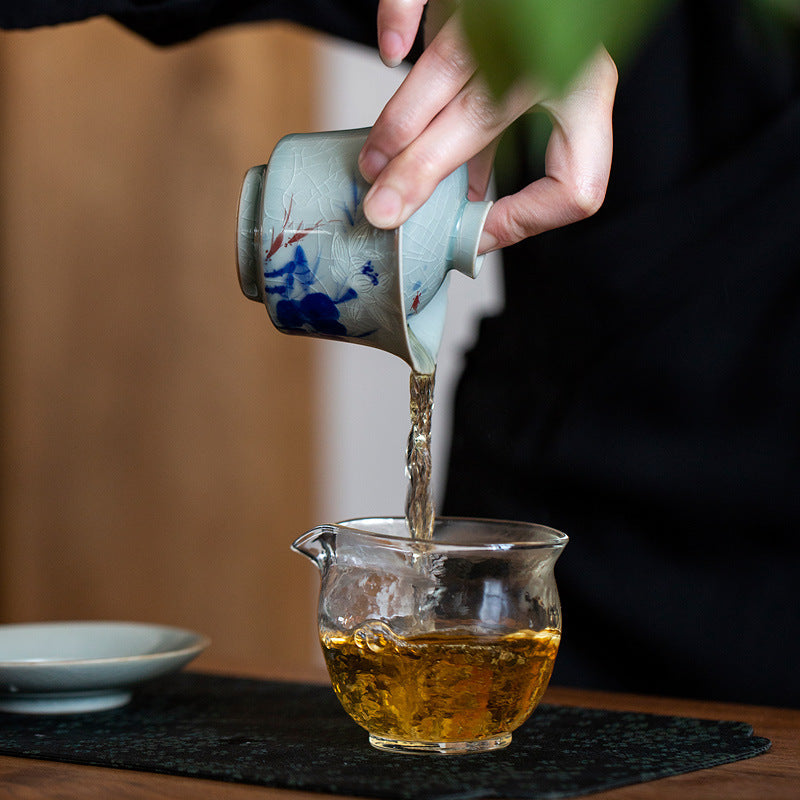
Handmade vs. Mass-Produced Teacups: Which to Choose? The choice shapes both daily rituals and long-term satisfaction. Artisan cups often show subtle glaze variations and tactile warmth. Factory-made cups prioritize uniformity, cost, and availability for many users. Both types serve hot beverages effectively, yet they differ in production stories and maintenance needs. Evaluating those differences helps match a cup to your lifestyle and values. Practical use, budget, and aesthetic priorities will guide the decision. Pay attention to feel, weight, and thermal behavior when selecting a cup. This initial contrast frames the deeper comparisons that follow.
Handmade vs. Mass-Produced Teacups: Which to Choose? — Core Differences
Handmade vs. Mass-Produced Teacups: Which to Choose? centers on production method and intent. Handmade teacups originate from small studios or potters. Each piece shows human decisions in form and glaze. Mass-produced teacups come from automated lines and molds. They provide consistency and cost efficiency at scale. Handmade cups often age visually with character. Mass-produced cups maintain identical copies across sets. Both approaches use similar base materials, but their handling yields different surface textures and thermal performance. Inspecting glaze, rim thickness, and handle join reveals these core differences.
Handmade vs. Mass-Produced Teacups: Which to Choose? — Cost, Value, and Longevity
Handmade vs. Mass-Produced Teacups: Which to Choose? depends on budget and long-term goals. Artisan teacups typically cost more per unit. Higher price reflects labor, smaller runs, and kiln time. Those cups can become heirlooms or collectible objects. Mass-produced cups cost less and allow easy replacement. Longevity depends on material, firing temperature, and glaze quality. Some artisan pieces resist chips when fired hot and cooled properly. Many factory mugs use durable glazes that withstand dishwashers. Weigh purchase price against expected years of use and sentimental value.
Craftsmanship, Materials, and Production Methods
Craftsmanship matters when selecting between handmade and mass-produced cups. Potters shape clay on wheels or molds before kiln firing. Hand-applied glazes produce unique tones and small imperfections. Factory production uses slip casting or press molding for repeatability. Raw material quality affects porosity and thermal retention. High-temperature firing typically produces denser bodies and better insulation. Lower-temperature ceramics may be lighter but more fragile. Fabricators control shrinkage and glaze fit through chemistry and process discipline. Examining maker notes or factory specs provides clarity on these technical aspects.
Design, Ergonomics, and Surface Feel
Design and ergonomics influence daily comfort and use. Handmade teacups often show subtle asymmetries that fit the hand uniquely. Craftspeople shape rims and handles to optimize lip feel and grip. Mass-produced cups follow ergonomic studies to meet broad user needs. Smooth, glazed interiors ease cleaning for both types. Finish and texture affect how heat transfers to the hand. Thicker walls hold heat longer, while thinner rims feel delicate on the mouth. Try lifting a sample before purchase if possible. Practical handling delivers immediate feedback on comfort and form.
Aesthetic Value, Collectibility, and Emotional Return
Aesthetic judgement plays a strong role in choice. Handmade pieces typically convey story and maker identity. This emotional return often increases perceived value over time. Collectors prize maker signatures, glaze anomalies, and provenance. Mass-produced cups may emphasize contemporary patterns and brand recognition. Matching tableware across many settings often favors factory-made series. Consider whether the cup functions primarily as a tool or an object of display. Emotional satisfaction may justify higher artisan prices for some buyers.
Cleaning, Care, and Durability Considerations
Care routines differ between handmade and mass-produced cups. Many artisan ceramics require hand washing to preserve glazes. Some high-fired pieces tolerate modern dishwashers safely. Mass-produced items often advertise dishwasher-safe credentials explicitly. Avoid abrasive scrubbers on delicate glazes to prevent surface wear. Thermal shock poses risk to thin-walled cups when hot water meets cold surfaces. Proper drying prevents mineral spots and residue on both types. Consider maintenance effort when aligning a teacup choice with daily habits and living circumstances.
Quick Comparison Checklist
-
Assess material and firing temperature for durability
-
Test rim thickness for lip comfort and aroma release
-
Check handle ergonomics and balance when filled
-
Confirm dishwasher and microwave suitability if needed
-
Evaluate visual variation versus uniformity preferences
Why the Checklist Helps Final Selection
This checklist condenses the main decision points into actionable checks. Buyers can prioritize the list according to budget and use. For collectors, maker marks and firing details may rank higher. Casual drinkers may emphasize dishwasher safety and low cost. Testing handling, weight, and rim comfort remains essential regardless of source. The checklist connects practical inspection with the broader question of Handmade vs. Mass-Produced Teacups: Which to Choose? Use it at purchase moments and when comparing online product specifications.
Capacity, Weight, and Daily Rituals
| Type | Typical Capacity | Common Use |
|---|---|---|
| Handmade Teacup | 80–200 ml | Tasting, ritual |
| Mass-Produced Cup | 200–350 ml | Daily beverage |
| Insulated Travel Cup | 300–500 ml | Commuting |
How Capacity Affects Experience
Capacity influences both ritual and practicality. Smaller handmade cups invite repeated refills and focus on aroma. Larger mass-produced mugs suit longer drinking sessions and convenience. Heat retention correlates with wall thickness and volume. Rituals such as gongfu or tasting rely on small vessels for layered flavors. Daily commuters likely prefer larger, insulated designs. Match vessel volume to typical serving sizes and social settings. This alignment clarifies the practical side of Handmade vs. Mass-Produced Teacups: Which to Choose?
Sustainability, Sourcing, and Ethical Considerations
Sustainability increasingly affects purchase decisions. Handmade makers may use locally sourced clay and small-batch firing. Shorter distribution chains often reduce carbon footprint. Factories achieve efficiency but may source materials globally. Evaluate certifications or maker statements on materials and labor. Repairability matters too; artisan cups can be mended or rehoused, extending lifespans. Factory-made cups may be recyclable depending on glaze chemistry and material. Consider trade-offs between production scale and environmental or social responsibility when choosing your cup.
Price, Resale Potential, and Investment Value
Price behavior differs between handmade and mass-produced cups. Artisan pieces may appreciate if artist reputation grows. Limited runs and signed items can increase value among collectors. Mass-produced cups rarely appreciate, but branded collaborations occasionally gain traction. Resale channels include auctions, marketplaces, and specialty dealers for handmade wares. For everyday utility, replacement cost favors factory-made items. For long-term cultural or monetary value, artisan cups may outperform. Decide whether your purchase is functional or potentially collectible.
Making the Final Decision
Answering Handmade vs. Mass-Produced Teacups: Which to Choose? requires balancing several factors. Consider daily routine, cleaning preferences, and storage constraints. Factor in budget and desired emotional return from ownership. Test samples when possible to assess lip feel and handle comfort. If you value uniqueness and story, artisan teacups often repay the investment. If you prioritize uniformity, low cost, and easy care, mass-produced options suit modern life. Both categories have merits; the right choice aligns with personal use and values.
Frequently Asked Questions
What are the main benefits of choosing handmade teacups over mass-produced options?
Handmade teacups offer distinct tactile and visual character. Craftspeople shape rims and handles for individual comfort. Glaze variations create subtle color depth and reflective patterns. Those cups often improve with age and handling. Small production batches increase rarity, and some pieces carry maker marks. For tea ceremonies and tasting, handmade vessels emphasize nuance. Collectors value provenance and limited editions for potential resale. Handmade teacups tend to invite careful interaction, rewarding owners with a sense of connection and heritage. These attributes explain why some buyers accept higher prices and slower availability for artisanal wares.
How should I decide between a durable mass-produced cup and a fragile artisan teacup?
Decide by matching cup attributes to daily life and care habits. If dishwasher cleaning and low breakage risk are priorities, mass-produced cups usually perform better. For ceremonial use, small artisan teacups enhance aroma and ritual. Consider household composition, including children or crowded kitchens. Evaluate whether the cup will be displayed or used frequently. If uncertain, start with one handmade piece and a set of factory-made cups. This hybrid approach offers both aesthetic pleasure and practical resilience. Testing usage scenarios clarifies the best balance for your needs.
Can handmade teacups be practical for everyday use, and how do I care for them?
Handmade teacups can be practical with proper selection and care. Choose high-fired ceramics with stable glazes for daily use. Handwashing preserves delicate surfaces and avoids abrasive wear. Preheat cups before brewing to reduce thermal stress and avoid cracks. Rotate use among several cups to minimize wear on any single piece. Store carefully with protective padding if stacking. For artisan pieces with porous clay, avoid prolonged contact with very acidic drinks. Following simple maintenance steps keeps handmade teacups functional and beautiful over many years.
Share:
How to Clean Teacups and Prevent Tea Stains?
Best Teacup Gift Sets for Tea Lovers