

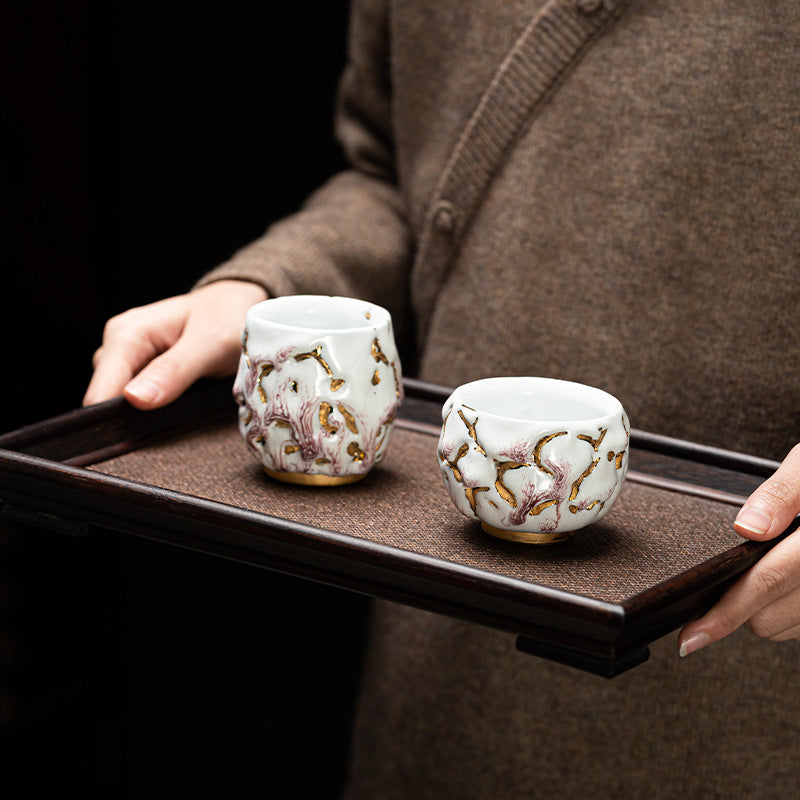
Your daily tea ritual deserves the perfect vessel. A chosen teacup truly shapes your experience. It influences the tea's temperature, aroma, and even its taste. Many people simply overlook this vital choice. They might use any available mug in their kitchen. Yet, selecting the right teacup is a simple way to elevate your routine. A thoughtful decision enhances every sip you take. This text will provide essential information. It helps you find the ideal companion for your quiet moments.
Core Differences in Materials
Ceramic and glass teacups possess many differences. Ceramic cups are typically opaque and solid. They provide a sense of warmth and permanence. Glass teacups are fully transparent. They allow you to appreciate the tea's color. The feel of these materials also varies greatly. Ceramic has a textured surface. Glass is known for its smooth, clean feel. These are core distinctions.
Characteristics of Ceramic Teacups
A ceramic teacup offers excellent heat retention. The material effectively traps heat. It keeps your tea warm for an extended time. The glazed surface is non-porous. This means it will not absorb any flavors. It guarantees the pure taste of your tea. The material has a substantial, earthy feel. This adds to the drinking ritual. Many people prefer this sensation.
The Features of Glass Teacups
Glass teacups give you an incredible visual treat. You can see the liquor’s color clearly. Watching the leaves unfurl is a meditative process. The material is completely neutral. It will not alter the tea’s flavor. This makes glass a perfect vessel for any tea. However, glass holds less heat. Your tea will cool down faster. Double-walled glass cups solve this issue.
How to Choose the Right Teacup
Choosing between a ceramic vs. glass teacup depends on your preference. If you prioritize flavor purity and warmth, ceramic is a fantastic choice. If you prefer to watch your tea as it brews, a glass teacup is better. Your personal habits also matter a lot. If you drink tea slowly, you might prefer ceramic. If you are in a rush, a glass cup is fine.
Ceramic vs. Glass Teacups: Flavor and Aroma Impact
Both materials affect your tea’s taste differently. A glazed ceramic teacup is very neutral. It will not react with the tea. This preserves the original aroma perfectly. Unglazed ceramic, like Yixing clay, is porous. It absorbs tea flavors over time. This makes it ideal for one type of tea. A glass teacup is also neutral. It provides a clean and pure tea flavor. It lets the aroma reach your nose directly.
Practical Considerations for Daily Use
A ceramic teacup is generally more durable. It can resist daily bumps and drops. However, it may chip if it falls. A glass teacup is more fragile. It can break easily. For cleaning, glass is very simple. Its smooth surface resists staining. Most ceramic cups are also easy to clean. Unglazed clay cups require special care.
Teacup Shapes and Their Functions
The shape of your teacup is very important. It affects the tea's temperature. It also influences how you smell the tea.
-
Straight-sided cup: Concentrates aroma and retains heat.
-
Flared-rim cup: Helps cool tea faster and releases aroma.
-
Bowl-shaped cup: Good for both aroma and temperature control.
Choosing the best teacup shape is crucial for enjoyment. A flared-rim cup, for example, is great for black teas. The wide opening helps the tea cool down. It allows you to fully enjoy the rich aroma. A bowl-shaped cup is very versatile. It works well for a wide range of teas. It is an excellent choice for daily use.
| Tea Type | Recommended Material | Recommended Shape |
|---|---|---|
| Green Tea | Glass, Thin Porcelain | Straight-sided, Flared-rim |
| Black Tea | Ceramic, Thick Glass | Flared-rim, Mug |
| Oolong Tea | Unglazed Clay, Porcelain | Small, Aroma Cup |
| White Tea | Glass, Thin Porcelain | Shallow Bowl, Wide-rim |
| Pu-erh Tea | Thick Ceramic | Small Cup, Flared-rim |
This table shows you how to choose the right teacup for each tea type. It elevates your drinking experience. For example, a delicate white tea tastes best in glass or thin porcelain. These materials will not alter the tea's subtle flavors. A thick-walled ceramic teacup is perfect for pu-erh. The thick material retains heat well. It makes the tea taste smoother.
Conclusion
In summary, a ceramic vs. glass teacup comparison reveals unique benefits. Ceramic is better for warmth and durability. Glass excels at visual appeal and a clean taste. The best choice truly depends on your habits. Consider what matters most to you. You can own both kinds of cups. This allows you to choose based on your mood.
Frequently Asked Questions
1. What is the difference in heat retention between glass and ceramic teacups?
There is a significant difference. Ceramic, especially a thicker one, retains heat much better. It allows your tea to stay warm for a long time. This is because ceramic is a poor heat conductor. The heat does not escape quickly. Many people like this aspect of ceramic. It lets them enjoy their tea slowly. Glass, by contrast, is a good heat conductor. It will dissipate heat more quickly. Your tea will cool down faster in a glass cup. If you prefer to sip your tea slowly and enjoy its warmth, a ceramic teacup is a better choice. Glass is fine if you don’t mind your tea cooling quickly. Double-walled glass cups solve this issue.
2. Which teacup material is best for appreciating the color of the tea?
Without a doubt, a glass teacup is the best for this purpose. Glass is completely transparent. It allows you to clearly see the color of the tea. You can also watch the beautiful process of the tea leaves unfurling. This is especially important for herbal teas and certain green or white teas. These teas have very beautiful colors. Their leaves also provide a visual spectacle. A glass cup allows you to see the clarity of your brew. You can also observe the change in color. This provides a truly sensory experience. While some ceramic cups have white interiors, they cannot match the clarity of glass.
3. Which type of teacup is easier to clean and maintain?
In terms of cleaning, a glass teacup is usually a better choice. The surface of a glass teacup is very smooth. It is completely non-porous. This means tea stains have a very hard time sticking to the surface. You usually only need a simple rinse to clean it. Glass cups are often dishwasher safe, too. This makes them very convenient for daily use. A ceramic teacup's cleanliness depends on its glaze quality. Glazed ceramics are also easy to clean. However, if the glaze has tiny cracks, it may trap stains. Unglazed ceramic, like a Yixing pot, requires special care. They should never be washed with soap. Soap residue can be absorbed and ruin the flavor of your tea.
Share:
How to Choose the Right Teacup for Daily Use?
What's the best teacup material for drinking green tea?