


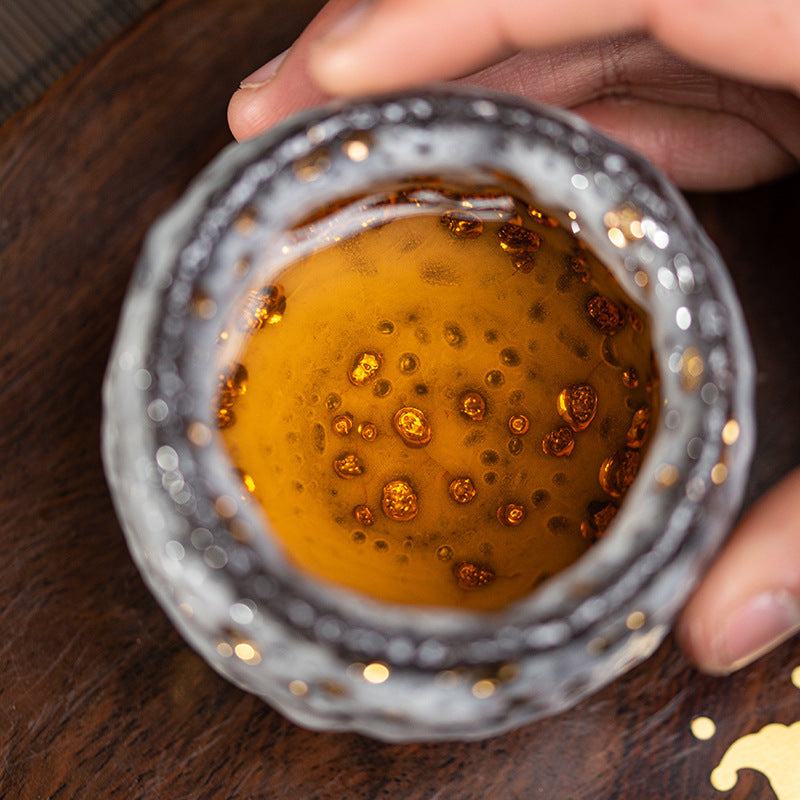
Your daily tea ritual deserves the perfect vessel. The cup you use every day truly shapes your experience. It influences the tea's temperature, aroma, and even its taste. Many people overlook this important choice. They might use any mug available in their kitchen. Yet, selecting the right vessel is a simple way to elevate your routine. Making a thoughtful decision enhances every sip you take. This text provides the essential information on how to choose the right teacup for daily use. It will help you find a companion for your quiet moments. Your personal preference is important. But certain principles will point you toward the best option for your favorite brews.
Material Matters: How to Choose the Right Teacup for Daily Use Based on Substance
Porcelain: The Pure and Elegant Choice
Porcelain is a classic and popular choice for teacups. Its non-porous surface does not absorb any aromas. This ensures the pure taste of your tea every time. The material also offers excellent heat retention. It keeps your tea warm for a longer period. Porcelain cups are often thin and delicate. This adds a sense of elegance to your daily ritual. They are available in a vast array of styles and colors. You can easily find one that suits your personal taste. For tasting delicate teas like white or green tea, porcelain is ideal. It presents the brew exactly as it was intended. Its smooth glaze also makes it incredibly easy to clean. This is a significant benefit for an item you use every day.
Ceramic and Stoneware: For an Earthy Feel
Ceramic and stoneware cups offer a different experience. They have a more rustic and earthy feel. These materials are often thicker than porcelain. This provides superior insulation to keep tea hot. Some ceramics, like unglazed clay, are porous. They can absorb tea oils over time. This process seasons the cup, enhancing the flavor of a single type of tea. For this reason, many people dedicate a clay cup to one specific brew, like oolong or pu-erh. Stoneware is very durable and resistant to chipping. This makes it a practical choice for frequent use. Picking the best teacup made of ceramic depends on your commitment to its care. It offers a deep connection to your tea routine.
Glass: A Feast for the Eyes
Glass teacups offer a unique visual dimension to drinking tea. They allow you to appreciate the color of the liquor. Watching the tea leaves unfurl can be a meditative experience. Glass is completely non-porous and inert. It guarantees a clean, unaltered taste. This makes it suitable for any type of tea. However, glass does not retain heat very well. Your tea will cool down faster compared to ceramic or porcelain. Double-walled glass cups solve this problem effectively. They provide excellent insulation while remaining cool to the touch. Glass is also easy to clean and does not stain. For those who enjoy herbal infusions or flowering teas, a glass cup is an excellent option. It turns your tea session into a visual spectacle.
The Impact of Teacup Shape and Size
The shape of your teacup is not just for aesthetics. It plays a crucial role in your sensory experience. A wider bowl allows the tea to cool faster. It also lets more of the aroma reach your nose. This is great for highly aromatic teas. A taller, narrower cup will preserve heat for longer. It concentrates the aroma in a smaller space. This directs the scent straight to you as you sip. The size of the cup should match your drinking habits. A smaller cup is perfect for concentrated, multi-steep infusions like gongfu style. A larger cup is more suitable for a single, generous serving of breakfast tea. Considering these factors is a key part of selecting a daily teacup that fits your lifestyle and preferences.
Here are some common teacup shapes to consider:
-
Yunomi: A Japanese-style handleless cup. It is typically tall with a turned foot.
-
Chawan: A wider bowl shape used for preparing and drinking matcha.
-
Gaiwan: A lidded bowl from China. It is used for both brewing and drinking.
-
Wide-Brim Cup: An English-style cup. It promotes rapid cooling and aromatic release.
-
Handleless Small Cup: Common in Chinese tea culture for small, appreciative sips.
Considering the different teacup shapes is crucial for your enjoyment. A Yunomi cup, for instance, is designed to be held with both hands. This fosters a direct connection with the warmth of the tea. It is perfect for daily green teas like sencha or genmaicha. A wide-brim cup, in contrast, is excellent for black teas. The large surface area helps mellow any potential astringency. It also allows you to enjoy the rich, malty aromas fully. For those who practice gongfu cha, small handleless cups are essential. Their small volume is designed for appreciating the evolving flavors over many short infusions. Your choice of shape directly impacts the ritual and enjoyment of your daily brew.
Matching Your Tea to Your Cup for the Best Experience
| Tea Type | Recommended Material | Recommended Shape |
|---|---|---|
| Green Tea | Porcelain, Glass, Stoneware | Yunomi, Small Handleless Cup |
| Black Tea | Porcelain, Ceramic | Wide-Brim Cup, Mug |
| Oolong Tea | Unglazed Clay, Porcelain | Gaiwan, Small Aroma Cup |
| White Tea | Glass, Thin Porcelain | Shallow Bowl, Wide-Brim Cup |
| Pu-erh Tea | Unglazed Clay (Yixing), Ceramic | Thick-Walled Bowl, Small Cup |
Matching your tea to your cup for the best experience is a rewarding practice. The table above provides a solid starting point. For example, delicate white teas are best enjoyed in a thin porcelain or glass cup. These materials do not influence the tea's subtle flavor. A wide bowl shape allows you to appreciate its gentle, sweet aroma. In contrast, a robust pu-erh tea benefits from a thick-walled clay cup. The porous clay can round out the tea's earthy notes. It softens the brew over time, creating a smoother taste. The thick walls also help maintain the high temperature needed for properly infusing these compressed teas. Thinking about these pairings transforms your daily tea from a simple drink into a more complete sensory event.
Key Factors for How to Choose the Right Teacup for Daily Use
To Handle or Not to Handle?
The presence or absence of a handle is a major consideration. Handleless cups, common in Eastern tea traditions, encourage a mindful approach. You must hold the cup with care. This connects you to the temperature of the tea. A cup with a handle, typical in the West, offers convenience. It keeps your fingers away from the heat. This can be more practical for very hot teas or for use at a desk. There is no right or wrong answer here. Your choice depends entirely on your personal comfort. It also reflects the kind of tea ritual you wish to cultivate for yourself. Think about how and where you drink tea most often. This will inform your decision between these two distinct styles.
The Importance of the Rim
The thickness of the cup's rim is another subtle but important detail. A thin rim can feel very elegant and precise. It delivers the tea to your palate in a fine stream. This can enhance the perception of delicate flavors. A thicker, more rounded rim provides a cozier and more substantial feel. It can make the drinking experience feel more rustic and comforting. The texture of the glaze where your lips touch the cup also matters. A smooth, flawless glaze is pleasant. A rougher, unglazed rim might be distracting for some people. These small details contribute significantly to your overall satisfaction. They are worth paying attention to when you are examining potential new teacups for your home.
Daily Durability and Care
Finally, consider the practical aspects of durability and care. A cup for daily use must withstand frequent washing. Porcelain and glass are generally dishwasher safe. However, delicate designs or metallic accents may require hand washing. Stoneware is typically very robust and can handle daily wear with ease. Unglazed clay cups have special care requirements. They should never be washed with soap. Soap residue can get into the pores and ruin the seasoned surface. Always check the manufacturer's recommendations for cleaning. Choosing a cup that fits your lifestyle and willingness to care for it ensures it will remain a cherished part of your routine for many years.
Frequently Asked Questions About Daily Teacups
What is the best all-around teacup material for a beginner?
For someone just beginning to seriously consider their teaware, porcelain is the most recommended all-around material. Its primary advantage is its neutrality. The non-porous, glazed surface does not interact with the tea's flavor or aroma in any way. This provides a pure and authentic taste, allowing a beginner to truly get to know the nuances of different teas without any external influence from the cup itself. Furthermore, porcelain has good heat retention, keeping the tea pleasantly warm. It is also incredibly versatile, suitable for every single type of tea, from the most delicate white teas to the most robust black or pu-erh teas. From a practical standpoint, porcelain is very easy to clean. It does not stain easily and is typically dishwasher safe, which is a significant benefit for a cup that will see daily use. This combination of flavor purity, versatility, and ease of maintenance makes porcelain the ideal starting point for anyone looking to elevate their daily tea experience.
Does the color of the teacup's interior really matter?
Yes, the color of the teacup's interior does matter, primarily for appreciating the tea's liquor. A white or very light-colored interior, such as celadon, is the standard for serious tea tasting. This is because it provides a neutral background that allows the true color and clarity of the tea to be seen clearly. You can assess the brew's strength, quality, and type just by observing its hue. For example, you can enjoy the pale, golden shade of a silver needle white tea or the deep, ruby red of a Keemun black tea. While a dark-colored interior, like black or dark brown, can be aesthetically striking, it obscures the tea's color completely. However, some people prefer dark interiors for a different reason. They can create a certain mood or aesthetic, and for some Japanese green teas, a dark cup can make the vibrant green color appear even more vivid by contrast. For daily use, a light interior is more practical for judging your brew.
How can you tell if a teacup is of good quality?
You can assess a teacup's quality through several key observations. First, examine the material and finish. For porcelain or ceramic, check for a smooth, even glaze without any bumps, cracks, or pinholes. The glaze should cover all surfaces that will touch the tea. Hold the cup up to a light source; good quality porcelain may have a slight translucence. Second, consider the cup's balance and weight. It should feel comfortable and stable in your hand, not too heavy or flimsy. Check the base of the cup. It should be smooth so it does not scratch your table. Third, inspect the craftsmanship. The shape should be symmetrical, and the rim should be even and smooth to the touch. If it has a handle, ensure it is attached securely with no visible gaps. For unglazed clay, quality is often judged by the fineness of the clay and the precision of the potter's work. A high-quality cup will simply feel well-made.
Share:
Jianzhan Tea Cup: A Timeless Masterpiece for Every Jianzhan Tea Cup Enthusiast
Ceramic vs. Glass Teacups: What’s the Difference?