


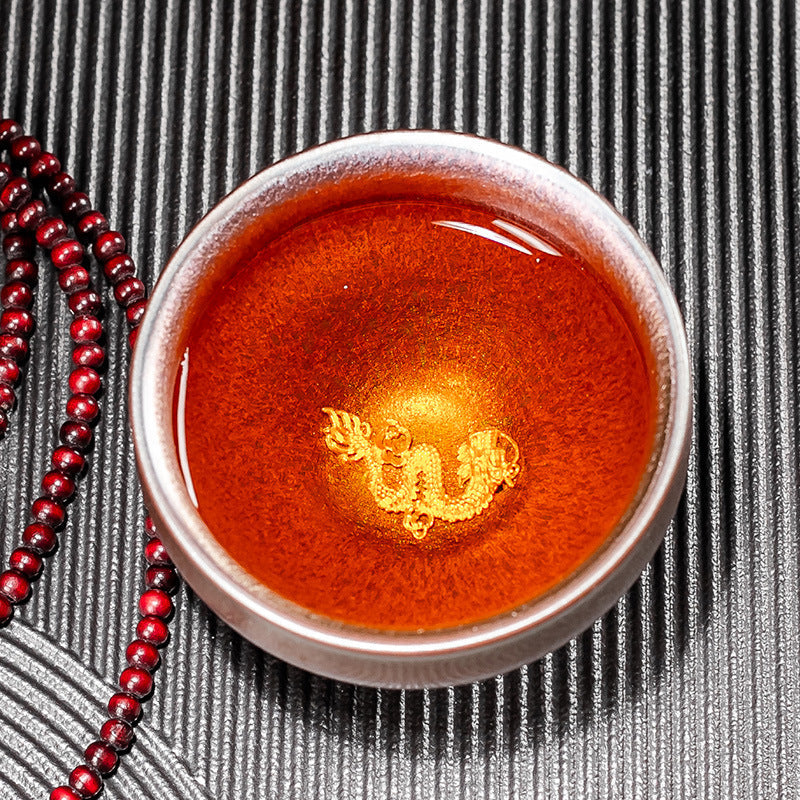
What Is the Ideal Size for a Teacup? The answer depends on use, tea type, and comfort. Capacity influences aroma lift, heat retention, and sip cadence. Smaller cups pace consumption and protect delicate infusions. Larger volumes suit Western mugs and breakfast blends. Ergonomics matter as much as numbers on paper. Hands, lips, and daily rituals guide your choice. Consider brewing style, serving pattern, and caffeine goals. Household routines also shape the ideal capacity. Good sizing brings balance between fragrance, temperature, and pleasure.
What Is the Ideal Size for a Teacup: Core Principles
What Is the Ideal Size for a Teacup starts with purpose and control. Aroma headspace requires room above the liquid line. Narrow rims trap heat, while wider rims cool faster. Thin walls shed heat quickly yet feel refined on the lip. Thick walls hold temperature but add heft. Smaller volumes enable short steeps and repeated pours. Larger cups match strong, fully extracted brews. Measurement should reflect filled volume, not brim capacity. Stable saucers improve safety and presentation. Thoughtful choices convert simple tea moments into consistent bliss.
Cultural Standards and Ergonomics in Teacup Design
Cultures calibrate cup sizes to local brewing customs. Gongfu sessions favor very small vessels for multiple infusions. British service often pairs strong tea with larger cups. Japanese sencha settings lean toward modest volumes and thin walls. Hand size affects grip comfort and steadiness. Lightweight cups reduce wrist strain during long sessions. A “standard teacup size” varies across traditions and eras. Teahouses optimize forms for flow and service speed. Home rituals follow personal tastes and tableware. Design should support relaxed, mindful, and repeatable pours.
What Is the Ideal Size for a Teacup: Brewing Variables and Tea Types
What Is the Ideal Size for a Teacup depends on leaf style and recipe. Green teas prefer cooler water and smaller volumes. Oolongs open best with short steeps and many rounds. Black teas tolerate larger cups and higher heat. Puerh rewards frequent infusions and tiny sips. Herbal tisanes often suit medium volumes and longer rests. Grind, roll, and leaf grade change extraction rates. Water chemistry also alters perceived body and finish. Matching cup capacity to routine preserves nuance. Consistency produces reliable flavor and aroma.
What Is the Ideal Size for a Teacup: Use Cases and Contexts
What Is the Ideal Size for a Teacup changes with context and timing. Morning commuters may prefer a larger, insulated vessel. Afternoon tastings benefit from petite cups and quick pours. Guests appreciate moderate sizes for courteous refills. Work desks favor lids and spill resistance over ceremony. Outdoor service prioritizes durability and stable bases. Restaurants balance serving speed and temperature control. Solo evenings often call for calming, smaller sips. Choose volumes that fit schedule, setting, and mood. Flexibility keeps tea rituals smooth and enjoyable.
Materials, Wall Thickness, and Heat Retention
Porcelain balances elegance, neutrality, and predictable heat behavior. Bone china adds glow and delicate mouthfeel. Stoneware holds heat longer and resists knocks. Double-walled glass showcases color while protecting fingers. Unglazed clay can accentuate structure in certain teas. “Teacup capacity” still must align with material behavior. Thin rims feel crisp and precise on the lip. Thicker lips dampen edge and slow cooling. Match build to brew tempo, climate, and handling needs.
Handle Shapes, Rim Diameter, and Lip Feel
Handles reduce burn risk and improve leverage. Ear shapes should fit fingers without pressure points. Balanced weight prevents wrist fatigue during longer sessions. Rim diameter influences aroma expression and sip rate. Tapered profiles guide tea smoothly onto the tongue. Polished lips feel gentle and reduce drips. “Tea cup dimensions” link form to function elegantly. Internal curve affects leaf circulation during pours. Harmonize geometry with your favored tea families.
Quick Rules by Scenario
-
Gongfu oolong: 30–60 ml per cup
-
High-aroma green: 60–100 ml per cup
-
Everyday black: 150–240 ml per cup
-
Office mug service: 250–350 ml
-
Puerh flights: 30–50 ml per cup
-
Dessert pairings: 90–150 ml per guest
Interpreting the Scenario Rules for Clarity
Rules translate intent into reliable practice. Smaller cups synchronize with short steeps and layered aromas. Medium volumes suit balanced sessions and casual pacing. Larger sizes support hearty blends needing dilution headroom. Guests enjoy refills rather than oversized first pours. The pattern echoes What Is the Ideal Size for a Teacup thinking. Choose the smallest size that maintains comfort. Leave headspace for bouquet and cooling control. Adjust as seasons and recipes change.
Capacity Ranges by Style
| Style | Common Capacity | Best Fit | Notes |
| Gongfu Tasting Cup | 30–60 ml | Oolong/Puerh | Multiple short infusions |
| Sencha Cup | 60–120 ml | Green | Cool water, delicate leaves |
| Western Teacup | 150–240 ml | Black/Blends | Stronger brews, milk optional |
| Everyday Mug | 250–350 ml | Breakfast | Convenient, slower sipping |
How to Use the Capacity Table in Daily Brewing
Tables give ranges, not rigid prescriptions. Start near the midpoint for each style. Then nudge capacity based on tea strength and temperature. Cooler brews often benefit from smaller pours. Hotter recipes tolerate larger volumes without fading. Scented teas need headspace to bloom fully. Keep notes as you refine habits and preferences. The process echoes What Is the Ideal Size for a Teacup principles. Precision paired with comfort yields dependable results.
Put the capacity numbers beside a real cup
Measure your usual serving before buying. Listed capacity is a comparison guide; leave space below the rim rather than expecting your comfortable pour to equal the full stated volume.

Galaxy Starry Tenmoku Tea Cup
The Galaxy Starry Tenmoku Tea Cup is listed at 150 ml, with a 9 cm diameter and 5.5 cm interior depth. Compare it with the 110 ml Blue Kirin cup if you want smaller pours. For a gift, the 100 ml Blue Glaze gift option contains one selected cup and one gift box, with no accessories. Interior depth is not overall cup height.
Selecting Capacity by Health and Caffeine Goals
Caffeine planning begins with volume control and leaf choice. Smaller cups reduce total intake without losing aroma. Decaf blends support evening calm and steady sleep. Strong breakfast blends suit larger vessels and milk. Hydration targets may require lighter leaves and more water. “Typical teacup ounces” provide an easy planning reference. Sensitive drinkers should pace refills and monitor effects. Gentle sips aid digestion and mindful breaks. Consistent routines simplify better daily outcomes.
Care, Measurement, and Calibration Techniques
Measure filled volume using a kitchen scale and water. Record the number for future recipes and repeats. Mark preferred levels with subtle stickers under saucers. Calibrate pouring speed for steady dosing and safety. Preheat cups to stabilize service temperature. Handwash delicate pieces to preserve glaze and rim. “Best cup volume” means little without repeatable practice. Keep a simple log of leaf weight and capacity. Small habits build confidence and flavor accuracy.
Compare real cup capacities before you buy
A capacity range is a starting point, not a rule you must follow. A 50 ml cup can make sense when tea is poured in short rounds for one or several people, while a cup around 150 ml may suit a longer solo serving. To see that difference in actual products, compare the Persimmon Teacup, listed at 50 ml, with the Yohen Tenmoku Glaze Tea Cup, listed at 150 ml. The Gold Tree Porcelain Tea Cup listing gives two options, 70 ml and 90 ml, illustrating how even a modest change can affect the number of pours you make.
Before choosing, measure the amount you normally pour into your current cup, leaving your usual space below the rim. Then think about the tea service around it: your brewer's useful output, the number of people sharing a pot, and whether you prefer to drink while the tea is very warm or after it has cooled slightly. Product listings often state brim capacity, but your comfortable serving level may be lower. When a listing does not make that distinction clear, treat the number as a guide rather than an exact promise about your everyday pour.
- Choose a smaller cup if you enjoy repeated infusions and want each serving to stay brief.
- Choose a larger cup if you prefer fewer refills and a more relaxed pace.
- Check the rim, shape, and listed dimensions as well as the milliliters.
You can compare more finishes and sizes in our tea cups collection. If you prefer a darker Jian-style glaze, browse the Jian Zhan collection and use each product's measurements to make your final choice.
What Is the Ideal Size for a Teacup: Final Takeaways
What Is the Ideal Size for a Teacup balances purpose, comfort, and flavor. Choose smaller vessels for layered infusions and aroma focus. Select medium volumes for daily calm and flexible pacing. Use larger cups for bold brews and convenience. Materials, rims, and handles refine the experience further. Culture and context shape preferences and expectations. Keep headspace for bouquet and safer temperatures. Test, note, and adjust as your teas evolve. Thoughtful sizing keeps every session satisfying and repeatable.
Frequently Asked Questions
How many milliliters suit everyday black tea at home?
Most households enjoy 180 to 240 milliliters for black tea. That range supports brisk infusions and additions like milk. Strong leaves extract well without tasting harsh or flat. Medium capacity keeps heat while allowing comfortable sips. Larger mugs work for commuters needing fewer refills. Smaller cups suit tasting flights or rich desserts. Consider handle comfort and rim thickness for safety. Keep headspace to protect aroma and reduce spills. Test several fills to match strength preferences. Consistent results follow careful notes and steady routines.
Why are tiny cups common in gongfu service?
Small cups support very short steeps and layered pours. Each infusion highlights a different slice of aroma. Heat stays stable because volumes are compact. Guests remain engaged through frequent, shared refills. Conversation flows while flavors shift and deepen. Leaf quality shines under measured extraction and pacing. Pot size, fairness pitcher, and cups act in concert. The rhythm reduces bitterness and fatigue on the palate. Attention stays on fragrance, texture, and finish. Tiny vessels make nuance repeatable, memorable, and socially warm.
What is a practical method to measure my cup capacity?
Fill the cup with room-temperature water to a normal level. Pour into a scale-tared container to read milliliters. Repeat twice to confirm consistency and accuracy. Note that brim capacity exceeds real service volume. Record the service number in a visible place. Calibrate by brewing favorite tea with that figure. Track taste, temperature, and time for several sessions. Adjust a little if cooling feels too quick. Reduce or increase volume to balance flavor. Simple records convert preference into reliable preparation.
Share:
Why Porcelain Teacups Preserve Tea Aroma Better?
Top Picks for Travel-Friendly Teacups