


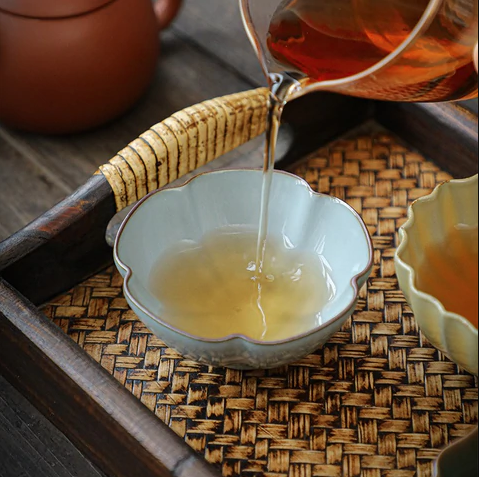
The Best Tenmoku Teacup For Mother's Day offers a meaningful, elegant gift that honors tea culture and maternal care. Gifting such a teacup brings thoughtfulness and beauty to daily tea rituals. Ceramic artistry and tactile form make each pour feel ceremonial. A well chosen Tenmoku cup highlights aroma, temperature, and mouthfeel for delicate infusions. Handmade finishes create subtle variations that delight the senses. Recipients often treasure such items for years and pass them along as heirlooms. Consideration of size, glaze, and balance matters when selecting a teacup. Practical use and aesthetic value combine to make this a memorable present.
The Best Tenmoku Teacup For Mother's Day: Style and Symbolism
The Best Tenmoku Teacup For Mother's Day blends aesthetic tradition with modern function. Tenmoku glazes range from oil-spot to hare’s fur to metallic sheens. Each finish carries cultural resonance and visual depth. A floral petal pattern adds soft elegance fit for special occasions. Porcelain and stoneware bases present glazes differently, creating unique tactile responses. Size and lip geometry influence how tea meets the palate and the nose. For a mother who values ceremony, a Tenmoku cup elevates ordinary tea into mindful ritual. Choose a piece that matches her style and everyday habits.

Materials, Build, and Practical Durability
Materials determine both feel and practical longevity. High-fired ceramics resist thermal shock and retain warmth effectively. Yixing clay and stoneware respond well to repeated heating cycles. Bone china offers a delicate lip and a light tactile sensation. Glaze composition affects durability and ease of cleaning. Some Tenmoku finishes require gentle handwashing to preserve surface depth. Consider lids or silicone bases for daily stability and safety. Weight distribution influences pouring comfort during longer sessions. When selecting a cup for regular use, prioritize material behavior as much as surface beauty.
How The Best Tenmoku Teacup For Mother's Day Enhances Aroma
How The Best Tenmoku Teacup For Mother's Day enhances aroma through headspace and rim shape. Proper headspace allows volatile compounds to gather above the liquid. Narrow mouths concentrate scent for focused inhalation. Wider rims permit a broader aroma release and quicker cooling. Subtle lip profiles direct the liquid toward different tongue zones. These design details shift initial flavor perception significantly. For delicate green teas, thinner rims preserve floral notes. For roasted oolong, darker glazes emphasize warm, toasted aromas visually and psychologically.

Shape, Lip, and Mouthfeel Interaction
Shape and lip geometry directly affect mouthfeel and sip behavior. A tapered cup guides the liquid to the center of the tongue. Rounded lips offer smoother spread and softer edges. Thin rims create a more immediate contact with the palate. Thicker rims can round off sharp astringency and reduce perceived bitterness. Internal curvature influences how leaves circulate and how liquid swirls. Balance between shape and size supports both small tastings and casual sharing. Matching these parameters to favorite tea types improves both flavor and comfort.
Handleless vs. Handled Cups for Comfort
Choosing handleless or handled teacups depends on ritual and comfort. Handleless cups favor close, tactile engagement with heat. They suit traditional Eastern ceremonies and focused tasting sessions. Handled models add leverage and reduce hand contact with hot surfaces. They work well for longer pours and cooler ambient conditions. Insulated sleeves provide a middle path for heat protection. Ergonomic considerations include finger spacing and thumb rest placement. Always test grip with warm water to ensure comfort before purchase.
How The Best Tenmoku Teacup For Mother's Day Matches Tea Types
How The Best Tenmoku Teacup For Mother's Day pairs best with specific tea categories. Small Tenmoku tasting cups suit pu-erh and oolong flights. Medium cups highlight green and white teas with subtle aromatics. Larger cups support black tea blends and milky additions. Bowl-shaped matcha vessels improve whisking and froth control. Consider infusion frequency and cup volume when selecting size. Consistent pairing helps reveal leaf character over multiple steeps. Making such a match elevates every brewing moment into a thoughtful ritual.

Care, Cleaning, and Longevity
Gentle care preserves surface tone and tactile quality for years. Handwashing with mild soap protects delicate glazes. Avoid thermal shock by warming cups before pouring boiling water. Air drying prevents trapped moisture that might harm unglazed clay. Store cups upright with separation to avoid chipping and abrasion. For Yixing-style ware, dedicate specific pots to one tea family to prevent flavor transfer. Periodic inspection catches small hairline cracks early. Proper maintenance extends both function and heirloom potential of Tenmoku pieces.
The Best Tenmoku Teacup For Mother's Day: Sourcing and Authenticity
The Best Tenmoku Teacup For Mother's Day has a provenance tied to craftsmanship and kiln tradition. Genuine JianZhan Tenmoku pieces often bear subtle maker marks. Shop with sellers who document origin and firing technique. Handmade variations entail natural irregularities that signal authenticity. Mass produced imitations may mimic surface effects but lack depth and nuance. Consider the maker’s reputation and customer reviews. Request high resolution photos or short videos showing glaze under varied light. Authentic sourcing enhances both value and emotional meaning.
Design Checklist for Choosing a Tenmoku Teacup
-
Confirm material and firing method
-
Verify glaze depth and natural variation
-
Test rim thickness with warm water
-
Choose volume suited to brewing style
-
Ensure comfortable weight and balance

Design Checklist Explained
The checklist turns subjective taste into repeatable choices. Start by confirming the basic material and firing specs. Examine glaze depth under different lights to spot authentic sheens. Test rim thickness using warm water to simulate service temperature. Match the chosen volume to infusion frequency and desired headspace. Finally, lift a sample to ensure comfortable weight distribution. These steps simplify selection and reduce buyer uncertainty. A practiced routine yields satisfying choices consistently.
Table of Common Tenmoku Finishes and Effects
| Finish | Visual Effect | Best Tea Type |
| Oil-Spot | Metallic speckles | Oolong, Pu-erh |
| Hare's Fur | Linear streaks | Green, Oolong |
| Jade Tenmoku | Soft green sheen | Delicate white tea |
| Crackle | Fine fracture lines | Display and ceremonial use |
Interpreting the Finish Table for Practical Choice
Interpreting the table clarifies how finish impacts both aesthetics and tea expression. Oil-spot finishes add visual texture and pair well with robust, roasted teas. Hare’s fur patterns emphasize linear nuance and suit lighter oxidized leaves. Jade tones bring a calm palette that supports delicate white teas. Crackle surfaces create contemplative visual interest for ceremonial settings. Use the table to link visual preference with intended service style. This approach merges form and function for a coherent selection.
Gift Presentation and Emotional Resonance
Packaging matters as much as the vessel itself for Mother's Day. A well presented Tenmoku teacup signals respect and celebration. Choose cloth-lined boxes or silk-wrapped nests that protect and delight. Include a short card describing the glaze and its symbolic meaning. Pair the teacup with a curated leaf sample or small infuser. Thoughtful presentation enhances perceived value and immediate delight. Emotional resonance grows when the recipient reads about maker intention and kiln story.
How The Best Tenmoku Teacup For Mother's Day: Final Considerations
How The Best Tenmoku Teacup For Mother's Day should combine durability, aroma focus, and fit to ritual. Prioritize materials that suit your mother’s habits and local climate. Match rim and headspace to her favorite teas for immediate pleasure. Verify provenance to ensure authenticity and emotional value. Consider practical care and storage to maintain beauty over time. Small tests with warm water help confirm handling comfort before purchase. With mindful selection, a Tenmoku cup becomes a daily companion and cherished memento.
Frequently Asked Questions
Why choose Tenmoku teacups as a Mother’s Day gift and what makes them special?
Tenmoku teacups carry a deep history and distinctive surface qualities that appeal visually. Their glazes produce iridescent or speckled effects under varied light. Many makers fire the clay at high temperatures to generate complex metallic sheens. This results in subtle color shifts that reward careful viewing. For recipients who value ritual, the cups transform ordinary tea into a reflective practice. Their tactile balance and rim geometry also enhance sipping comfort. When selected for size and finish, Tenmoku cups highlight the chosen leaf’s aroma and flavor. Gifting such a piece suggests both aesthetic taste and consideration for daily tea enjoyment. The long lifespan of well made Tenmoku ware also supports heirloom value, making it a present that ages gracefully with continued use and care.
How can one verify authenticity and select an authentic JianZhan Tenmoku teacup?
Authentic JianZhan Tenmoku often shows natural irregularities from handmade production and kiln variation. Look for deep, dimensional glazes with metallic or oil-spot effects visible in different lighting. Ask sellers about kiln provenance, firing temperatures, and maker notes. Genuine items sometimes bear subtle marks or signatures from the workshop or artisan. Request clear photos of the cup’s base, glaze close-ups, and a short video if possible. Beware of uniform, mechanically applied finishes that mimic Tenmoku without depth. Trusted galleries and reputable shops will provide provenance or return policies. Sampling an item in hand when possible remains the best verification method. These steps reduce risk and ensure the finished piece meets both aesthetic and practical expectations.
How should a recipient care for a Tenmoku teacup to preserve beauty and function?
Care begins with gentle handling and appropriate cleaning routines tailored to the material. Handwash with mild detergent and warm water to protect delicate glazes. Avoid abrasive pads and sudden temperature changes that stress the ceramic body. Preheat the cup with warm water before pouring boiling liquid to reduce thermal shock. For unglazed clay surfaces, reserve specific teas to prevent flavor transfer across varieties. Store cups with spacers or cloth to prevent chipping during stacking. Inspect rims and bases periodically for hairline cracks, and retire items that show damage. With consistent, gentle care, Tenmoku ware retains its visual depth and functional comfort for decades, preserving both daily use value and heirloom potential.
Share:
What is the difference between Porcelain & Ceramic
Feng Shui Bagua For 5 Different Colors' Tenmoku Teacup