


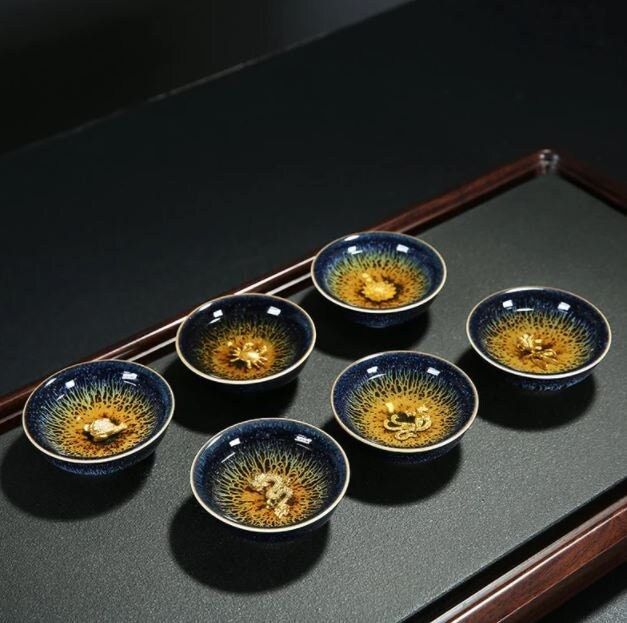
JianZhan Tenmoku black glazed tea bowl represents a centuries-old Chinese tea culture. These bowls are prized for their elegant shape and distinctive glaze. Every collector of traditional Chinese tea bowls appreciates the artistry behind JianZhan Tenmoku. The glaze ranges from dark brown to pure black, giving each bowl a unique luster. Subtle crackle lines on the surface enhance visual appeal. Using JianZhan Tenmoku elevates tea ceremonies and adds aesthetic value to any collection. Understanding the features of JianZhan Tenmoku helps enthusiasts make informed decisions. Its rough and uneven bottom, often showing firing traces, adds authenticity and charm.
What is JianZhan Tenmoku
JianZhan is a black glazed tea bowl originating from Jianyang, Fujian province. The bowl mouth is wide and flat while the body remains symmetrical. Such design improves tea aroma release and sipping experience. The glaze achieves dark, glossy shades with fine crackle patterns. In Western countries, JianZhan bowls are known as Tenmoku. These bowls were historically used for tea competitions and prized by scholars. The craftsmanship requires precise kiln control. Even slight variations create unique patterns. Owning a JianZhan Tenmoku tea bowl reflects respect for traditional Chinese porcelain art.
History of JianZhan Porcelain and Tenmoku
JianZhan porcelain traces back to the Song dynasty, flourishing in Jianyang, Fujian. Monks brought these tea bowls to Japan, where they became Tenmoku. Early bowls were functional yet elegant, balancing aesthetics with usability. Over centuries, artisans refined glaze formulas and kiln techniques. The bowls became symbols of sophistication and tea mastery. Collectors value historical bowls for rarity and craftsmanship. Understanding this history is vital for those appreciating authentic JianZhan Tenmoku. Its legacy continues to influence contemporary tea ware design globally.
JianZhan Tenmoku Materials and Craftsmanship
Crafting JianZhan Tenmoku requires high-quality local clay and natural mineral glazes. Artisans carefully shape the bowl to ensure symmetry and balance. The firing process in high-temperature kilns produces the signature dark glaze. Minute variations create crackle patterns unique to each piece. Metal oxide impurities in the glaze contribute to color depth and texture. Maintaining precise temperature is crucial. Skilled artisans monitor kiln conditions continuously. This meticulous process ensures each JianZhan Tenmoku tea bowl meets traditional standards. Collectors value these bowls for both aesthetic and cultural significance.

Distinctive Features of JianZhan Tenmoku
JianZhan Tenmoku bowls feature wide, flat mouths for tea aroma enhancement. The glossy black glaze ranges from deep brown to black. Surface crackle lines are visible under close inspection. Rough, uneven bottoms often display firing traces. Each bowl exhibits subtle variations in glaze, making every piece unique. Weight and symmetry influence handling comfort. Tea enthusiasts admire these distinctive features for enhancing the sensory experience. The combination of functionality and beauty elevates JianZhan Tenmoku above ordinary tea bowls. Owning one signifies appreciation for traditional craftsmanship.
JianZhan Tenmoku Glaze Techniques Explained
Glaze techniques include oil-spot, hare’s fur, and tortoiseshell effects. Controlled kiln firing produces iridescent textures and depth. Mineral composition affects color and shine. Crackle lines form naturally during cooling, adding character. Each technique requires precise timing and experience. Artisans adjust glaze thickness to achieve desired visual effects. Understanding these methods helps collectors identify genuine JianZhan Tenmoku. Variations indicate both kiln conditions and craftsmanship quality. These techniques define the bowl’s charm and rarity.
Collecting and Caring for JianZhan Tenmoku
Collectors must handle JianZhan Tenmoku with care. Avoid sudden temperature changes that cause cracks. Hand wash bowls with mild soap to preserve glaze. Proper storage prevents chipping and maintains luster. Using padded shelves protects delicate rims. Some collectors display bowls as art pieces. Understanding care routines enhances the longevity of these tea bowls. Careful handling ensures continued enjoyment of JianZhan Tenmoku. Maintaining condition preserves both aesthetic and investment value.
List of Popular JianZhan Tenmoku Types
-
Oil-spot JianZhan Tenmoku
-
Hare’s Fur JianZhan Tenmoku
-
Tortoiseshell JianZhan Tenmoku
-
Regular Black Glazed JianZhan
Each type offers unique glaze patterns and visual appeal. Oil-spot bowls exhibit metallic specks. Hare’s fur shows streaked patterns resembling fur. Tortoiseshell displays warm blended tones. Regular black glazed bowls are simpler yet elegant. Collectors choose types based on personal taste and collection focus. Understanding these variations enriches appreciation for traditional craftsmanship.
Comparison of JianZhan Tenmoku Varieties
| Type | Glaze Pattern | Origin | Popularity |
| Oil-Spot | Metallic specks | Jianyang | High |
| Hare’s Fur | Streaked fur-like lines | Jianyang | Medium |
| Tortoiseshell | Blended warm tones | Jianyang | Medium |
| Black Glazed | Uniform black | Jianyang | High |
The comparison highlights differences in glaze, origin, and collector preference. Each variety provides distinctive sensory experiences during tea preparation. Collectors often select bowls complementing their aesthetic or ceremonial needs. Appreciating these nuances enhances understanding of JianZhan Tenmoku.
Frequently Asked Questions
1.How do I identify genuine JianZhan Tenmoku tea bowls?
Authentic JianZhan Tenmoku features a wide, flat mouth and symmetrical body. Dark brown to black glaze shows subtle crackle lines. Uneven bottoms with firing marks indicate traditional kiln processes. Genuine bowls also display unique variations due to mineral content and firing conditions. Handling comfort, weight, and luster provide additional authenticity cues. Collectors should cross-reference kiln origin, glaze technique, and historical documentation. Understanding these details ensures appreciation of true craftsmanship and prevents purchasing reproductions.
2. What is the best way to care for JianZhan Tenmoku?
Hand wash bowls with mild soap and lukewarm water. Avoid sudden temperature changes. Store on padded surfaces to prevent chipping. Dry thoroughly after washing. Some collectors use protective display cases to maintain visual appeal. Regular inspection for cracks or glaze wear helps preserve condition. Proper care ensures longevity, maintaining both aesthetic value and functional usability. These practices uphold traditional craftsmanship standards and allow continued enjoyment of JianZhan Tenmoku.
3. Are there different types of JianZhan Tenmoku glaze patterns?
Yes, several distinctive patterns exist, including oil-spot, hare’s fur, tortoiseshell, and uniform black glaze. Oil-spot creates metallic specks. Hare’s fur forms streaked lines resembling fur. Tortoiseshell blends warm tones. Each pattern reflects kiln firing variations and glaze composition. Choosing a type depends on personal preference and collection focus. Appreciating these patterns enhances the sensory and aesthetic experience during tea ceremonies. Recognizing each style supports informed collecting decisions.
Share:
How to Use A Jian Zhan Tenmoku Teacup
How to Use Tenmoku Teapot and Teacup Set?