

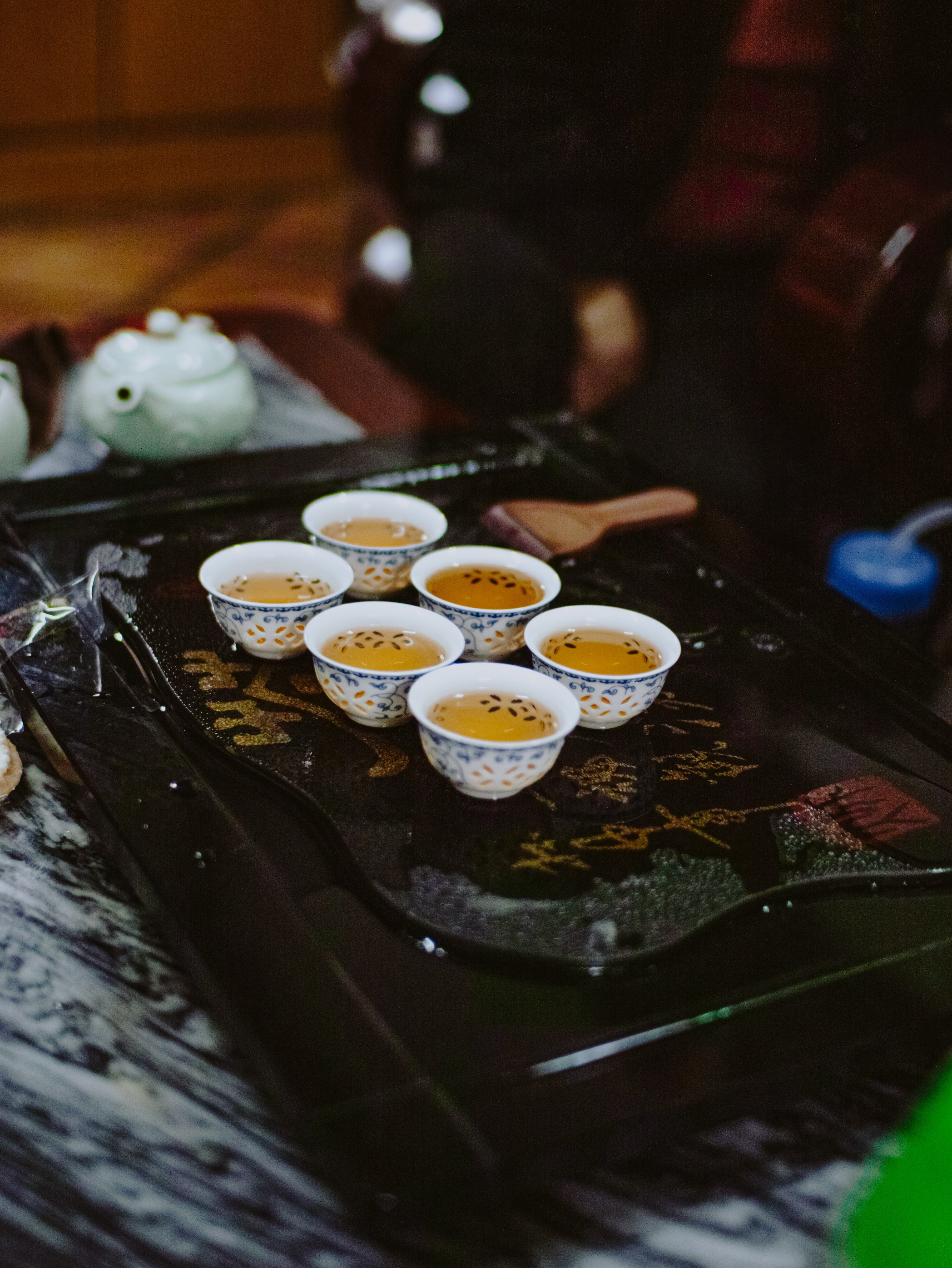
Something you must know about Gongfu Tea is that it represents a highly skilled Chinese brewing style. This method brings out delicate flavor notes in tea leaves. Even beginners can enjoy Gongfu tea with basic techniques. Authentic brewing emphasizes aroma, taste, and appearance of tea. Each infusion highlights subtle differences in aroma and color. Gongfu tea ceremonies promote mindfulness and cultural appreciation. Using proper teaware ensures optimal flavor extraction. The method is ideal for oolong, pu’erh, and black teas. A careful approach creates a sensory experience that is both relaxing and rewarding.
Essential Tea Vessels for Gongfu Tea
Gongfu tea requires specialized vessels made of ceramic or glass. Vessels must hold hot water without transferring heat to leaves. A lid allows control over steeping time and aroma exposure. Teapots, gaiwans, and small cups are the most common options. Teapots around 250ml suit most tea types for precise control. Gaiwans have a lid, saucer, and bowl, symbolizing heaven, earth, and humanity. Small cups emphasize savoring each drop of tea. Using correct vessels enhances taste and brewing experience. Investing in a strainer or special tea spoon adds convenience and cleanliness.
Brewing Temperature and Its Importance in Gongfu Tea
Water temperature directly affects flavor and aroma extraction. Ideal water temperature is slightly below boiling, around 160–180°F (71–82°C). High temperatures can scorch leaves and reduce flavor complexity. Oolong and pu’erh teas benefit from controlled water temperature. Black teas require slightly hotter water but not full boil. Proper temperature preserves beneficial compounds in tea. Temperature also influences steeping time and strength. Using a thermometer or observing water cooling patterns helps achieve consistency. Precision ensures that each cup delivers an authentic taste. Understanding temperature control is critical for Gongfu brewing success.
Step-by-Step Gongfu Tea Brewing Process
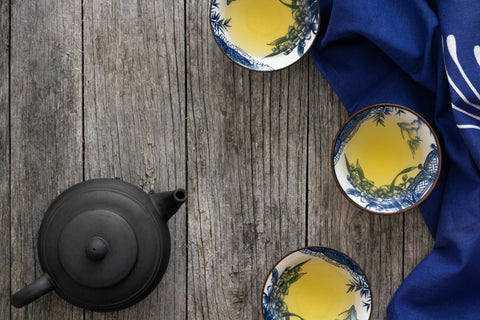
Prepare all tools and teaware, ensuring they are clean and dry. Boil water to the correct temperature and pre-heat vessels. Measure tea leaves accurately for the type being brewed. Place leaves in the teapot or gaiwan and observe aroma carefully. Pour water over leaves to awaken them, discarding the first infusion if needed. Steep the leaves in short intervals, adjusting for taste and tea type. Pour brewed tea into a pitcher or cups immediately. Re-steep leaves multiple times, increasing steeping duration gradually. Observe leaf expansion to understand infusion quality. Cleaning utensils without soap preserves the porous surfaces. Proper execution creates an authentic Gongfu tea experience.
List of Essential Gongfu Tea Utensils
-
Teapot (250ml, ceramic or porcelain)
-
Gaiwan (lid, saucer, bowl)
-
Small tea cups
-
Tea strainer for loose leaves
-
Special tea spoon
-
Aroma cups for evaluating fragrance
-
Tongs for handling hot cups
These utensils optimize Gongfu tea brewing. Each tool contributes to flavor, aroma, and presentation. Beginners can start with basic items and gradually add specialized utensils. Tea strainer and spoon ensure cleanliness and precision. Aroma cups enhance sensory appreciation, while tongs protect fingers. Proper tools elevate both brewing and tasting experiences. Combined use supports consistent tea quality and enjoyment. Investing in utensils also reflects respect for Chinese tea traditions.
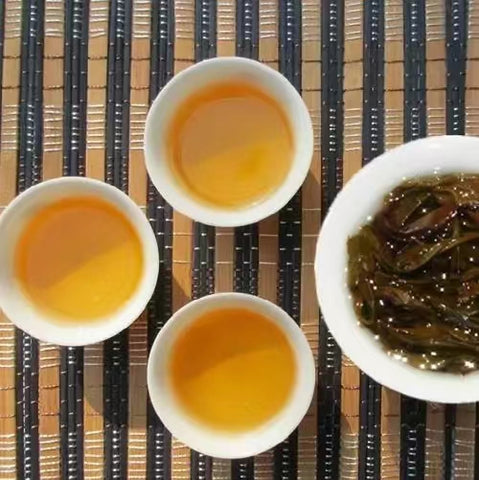
Table Comparing Tea Vessels and Their Features
| Vessel | Material | Capacity | Use |
| Teapot | Ceramic/Porcelain | 250ml | Steeping multiple infusions |
| Gaiwan | Ceramic/Porcelain | 150-200ml | Controlled infusion and aroma |
| Tea Cup | Porcelain/Glass | 20-50ml | Drinking and savoring flavor |
This table highlights the material, capacity, and specific use of each vessel. Comparing these features ensures selection of appropriate teaware. Teapots handle multiple infusions, while gaiwans allow precise control. Small cups emphasize tasting quality over quantity. Material choice affects heat retention and flavor extraction. Selecting suitable vessels enhances brewing accuracy and enjoyment. Understanding these differences is essential for both beginners and experienced tea lovers. Proper vessel selection also reflects cultural respect.
Frequently Asked Questions
1.What makes Gongfu tea different from other brewing styles?
Gongfu tea emphasizes multiple short infusions and precise control over steeping. The technique enhances aroma, flavor, and visual appeal. Using small cups highlights each sip’s complexity. Teaware like gaiwans and teapots allows careful water distribution. Even beginners can achieve rich flavors by following temperature and timing guidelines. Gongfu brewing preserves delicate compounds and promotes mindfulness. Proper vessel use ensures consistency across multiple infusions. Compared to Western methods, it focuses on quality, not quantity. Cultural appreciation and sensory engagement define Gongfu tea rituals.
2. How important is water temperature in Gongfu tea brewing?
Water temperature directly impacts flavor extraction and aroma preservation. Too-hot water can scorch leaves and reduce beneficial compounds. Slightly below boiling, 160–180°F, suits most teas like oolong and pu’erh. Black teas may require higher temperature but not full boil. Controlled temperature ensures proper infusion strength and taste. Observing water cooling or using a thermometer achieves consistency. Temperature management also supports repeated infusions with uniform flavor. Beginners can experiment gradually to master timing. Precise control maximizes sensory enjoyment and health benefits. Proper temperature demonstrates attention to tea quality.
3. What is the role of a gaiwan in Gongfu tea preparation?
A gaiwan provides precise control over infusion and aroma. The lid, saucer, and bowl structure symbolizes heaven, earth, and humanity. Small size allows multiple short infusions. Lid placement controls aroma release and brewing time. Using a gaiwan requires practice but enhances tea appreciation. It prevents leaves from over-steeping and supports delicate flavor extraction. Gaiwans are suitable for high-quality loose-leaf teas. Proper cleaning preserves porcelain and prevents flavor contamination. The gaiwan exemplifies traditional Chinese brewing art. Mastery improves both sensory experience and cultural understanding.
Share:
How to Brew Different Kinds of Tea
Gift Ideas for Your Elderly Parents Who Are Tea Lovers