


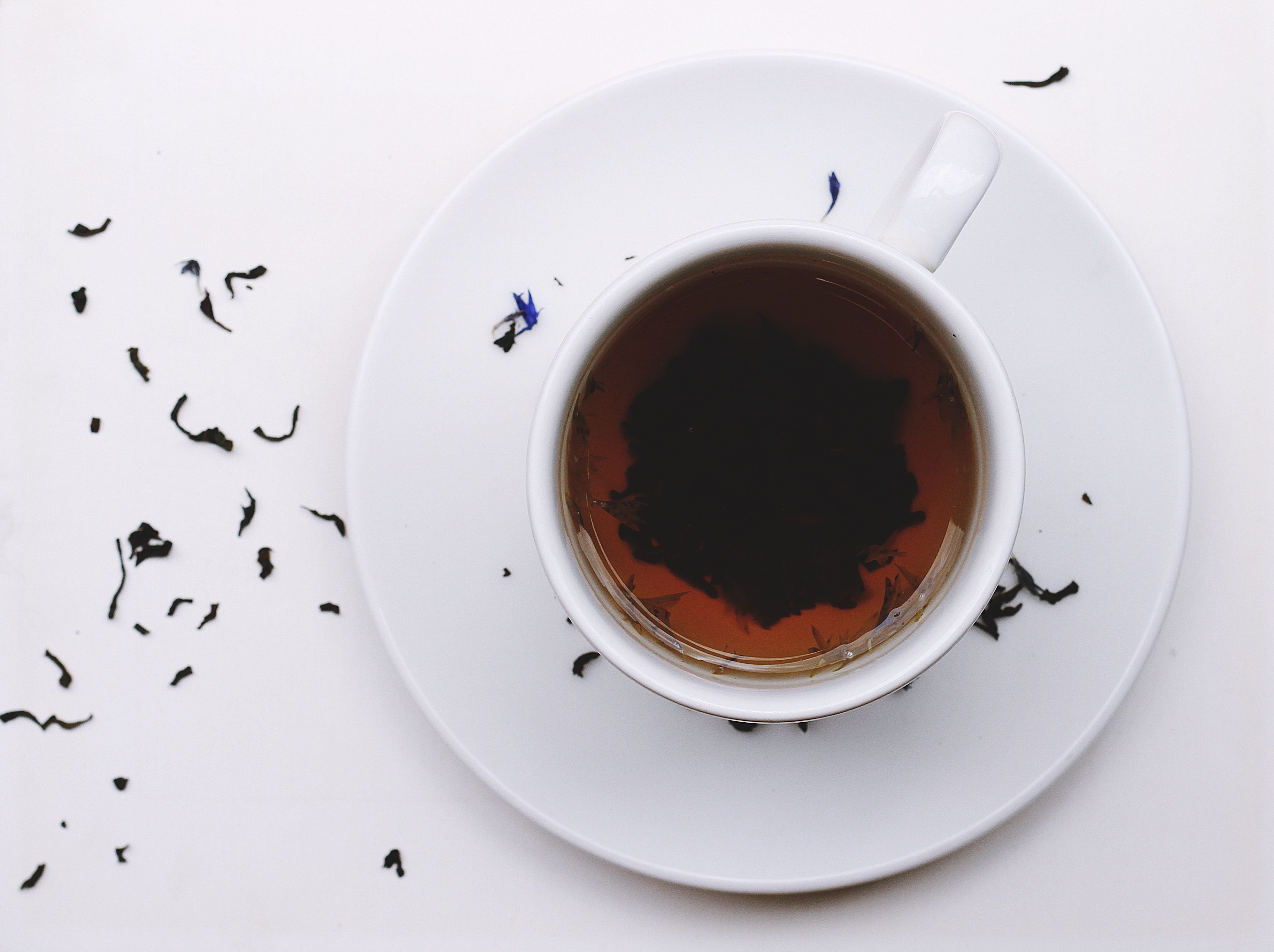
Modern Minimalist Teacup Design Trends shape how contemporary drinkers approach both ritual and product. Designers favor restraint, clarity, and a strong sense of proportion. Minimalism emphasizes a calm surface and a purposeful rim profile. Brands that adopt these trends aim for longevity over seasonal novelty. Consumers seek pieces that pair with multiple teas and fit varied settings. Functional decisions often dominate aesthetic choices in successful minimal cups. Materials, mouthfeel, and heat behavior become primary selection criteria. This opening frames key motives behind the movement and sets expectations for practical design decisions.
Modern Minimalist Teacup Design Trends: Core Principles
Modern Minimalist Teacup Design Trends rest on usability and visual calm. Good teacups perform well across tea types and daily routines. Designers prioritize lip comfort, balanced weight, and stable bases. Shape refinement reduces distracting ornament while guiding aroma delivery. Proportions often follow simple geometric rules for visual harmony. Surfaces usually avoid heavy gloss in favor of soft matte finishes. Designers test prototypes for thermal retention and grip ergonomics. Consumers report higher satisfaction when form supports both pouring and sipping. These core principles make minimal teacups resilient across both ritual and casual contexts.
Modern Minimalist Teacup Design Trends: Materials and Craft
Modern Minimalist Teacup Design Trends highlight material honesty and refined craft. Porcelain and bone china remain staples for light cups and clean profiles. Fine stoneware appears when makers seek tactile warmth and thermal mass. Borosilicate glass offers visual clarity for infusion observation without ornament. Yixing clay stays relevant for seasoned collectors who value seasoning properties. Makers often favor local clays and small-batch firing for sustainable sourcing. Surface finishing shifts toward subtle sanded textures or soft matte glazes. Small studios combine wheel throwing with gentle trimming for precise rim thickness. Craft choices directly affect mouthfeel and perceived value for buyers.
Modern Minimalist Teacup Design Trends: Form and Function
Modern Minimalist Teacup Design Trends merge shape with performance in many thoughtful ways. A slightly flared rim can lift aroma while encouraging gentle sipping. Rounded inner curves help leaf flow during pour and improve washability. Wall thickness balances heat retention with immediate mouth comfort. Handles appear sparingly and often as simple lugs or subtle offsets. Some contemporary pieces remove the handle entirely for direct contact drinking. Weight distribution encourages serene handling and reduces spill risk. Prototyping usually involves dozens of iterations to find the optimal rim diameter and bowl depth. Form experimentation remains central to functional minimalism.
Color, Texture, and Subtle Decoration in Minimal Teacups
Modern Minimalist Teacup Design Trends favor restrained palettes and refined textures. Neutral tones such as soft white, muted gray, and warm beige dominate. Gentle speckle or clay body exposure adds organic interest without overwhelming the form. Small, tasteful details like unglazed foot rings signal craft and authenticity. Occasional single-stroke accents remind viewers of the maker’s hand. Designers avoid printed logos or heavy decals that contradict simplicity. Texture choices, such as light grit or paper-like mattes, influence tactile pleasure. These modest decorative moves strengthen the sense of calm that defines minimal teacup design.
Size, Capacity, and Ritual Adaptation
Modern Minimalist Teacup Design Trends align size with ritual intent and daily use. Small tasting cups fit concentrated gongfu sessions and repeated infusions. Medium cups suit western-style single pours and casual morning routines. Larger mugs target commuters and long reading sessions where insulation matters. Designers specify capacity ranges to match typical brewing sequences and refill frequency. Matching cup volume to common teapot sizes reduces waste and improves flavor balance. Portability concerns drive slightly narrower diameters for travel-friendly sets. Size choices reflect both cultural habits and practical feedback from testing with real drinkers.
Production Techniques and Sustainable Choices
Modern Minimalist Teacup Design Trends increasingly embrace sustainable production methods. Makers reduce kiln waste by batch firing compatible glazes together. Reclaimed clay and low-VOC glazes become more common in thoughtful studios. Short supply chains preserve provenance and lower transport emissions. Small-scale production supports repairability and long-term care. Reused packaging and minimal paper tags reduce single use detritus. Brands can offset impact with transparent sourcing statements and clear end-of-life plans. Sustainability choices matter both to ethical customers and to retailers seeking durable inventory with low return rates. Practical adjustments contribute to cultural and ecological value.
Design Elements in Practice
-
Thin rim for refined mouthfeel
-
Slightly rounded bowl to aid washing
-
Soft matte exterior with subtle speckle
-
Unglazed foot for tactile contrast
-
Neutral colorways with single accent stroke
Design Elements in Practice: Applying Minimal Details
These elements translate into predictable user comfort and retail appeal. A thin rim refines sipping and reveals subtle aroma differences. Rounded bowls ease cleaning and support leaf circulation when pouring. Matte finishes hide minor scratches and reward frequent touch. Unglazed foot rings anchor the piece visually and reduce slipping on wood surfaces. Neutral colorways pair well across dining sets and product lines. Designers who apply these elements create teacups that delight both craft fans and everyday drinkers. Each choice supports consistent production and a coherent retail story.
Comparative Table: Styles, Uses, and Buying Tips
<table style="width: 100%; border: 1px solid #000;"><tr><td>Style</td><td>Best Use</td><td>Buying Tip</td></tr><tr><td>Thin-walled porcelain</td><td>Green and white teas</td><td>Check rim thinness and translucency</td></tr><tr><td>Matte stoneware</td><td>Everyday black tea</td><td>Inspect glaze durability and foot finish</td></tr><tr><td>Borosilicate glass</td><td>Visual infusion brewing</td><td>Test thermal shock resistance before buy</td></tr><tr><td>Small Yixing cup</td><td>Gongfu and aged teas</td><td>Confirm clay source and unglazed interior</td></tr></table>
Comparative Table: Practical Buying Guidance
The table links style to use and offers concrete buyer checks. For thin-walled porcelain, translucency often indicates fine firing and purity. Stoneware buyers should rub the glaze to test durability before purchase. Glass pieces work best when vendors provide shock resistance details. Yixing collectors must confirm clay provenance to ensure authentic seasoning behavior. These checks reduce returns and elevate satisfaction with minimal teacups. Retailers who publish these tips help customers make preference-aligned choices and reduce post-purchase friction.
How Designers and Makers Collaborate with Brands
Designers collaborate with brands to scale minimal teacup concepts into cohesive collections. Brands usually supply market briefs and desired retail price points. Makers translate those briefs into prototypes and technical drawings. Production decisions include kiln schedule, shrinkage rate, and packaging constraints. Brands that visit workshops build stronger partnerships and reduce miscommunication. Designers often specify finishing cues to match brand identity and retail narrative. Joint quality checkpoints prevent mismatch between hand-crafted nuance and mass production requirements. Well-structured collaboration shortens time to shelf and preserves the design intent.
Market Trends, Retail Presentation, and Pricing Signals
Minimal teacups command varied price bands depending on material and craft provenance. Premium porcelain with artist signatures reaches collector prices. Small-batch stoneware occupies mid-range retail slots and sells through specialty stores. Glass and mass-produced minimal styles fit accessible price points for higher turnover. Retail presentation emphasizes tactile experience and cross-merchandising with tea and accessories. Packaging that explains care and origin improves perceived value. Retailers track sell-through by finish and color to guide reorders. Observing these pricing signals helps both designers and buyers align cost with customer expectations.
Collector Behavior and Longevity of Minimal Designs
Collectors favor minimal teacups for timelessness and display adaptability. A simple profile integrates with diverse collections and seasons. Provenance and visible maker marks increase long-term value. Some enthusiasts prize controlled imperfections that testify to handmaking. Proper care extends surface integrity and prevents damage from harsh detergents. Collectors often rotate pieces to preserve glaze and to manage exposure. Minimal designs also support mixed-material displays without visual conflict. This adaptability ensures both practical use and long-term collectability for well-made minimal teacups.
Final Takeaways and Next Steps for Buyers
Minimal teacups perform best when design choices align with brewing habits. Prioritize rim feel, wall thickness, and material grade in product selection. Test prototypes under real brewing conditions before committing to bulk purchases. Seek transparent makers that document clay origin and firing profile. Consider sustainability and packaging as part of the purchase decision. Small controlled runs reduce risk and allow rapid iteration. Retailers that educate buyers on care and pairing build trust and reduce returns. Thoughtful choices make modern minimalist teacup design trends both commercially and personally rewarding.
Frequently Asked Questions
What makes a teacup truly “minimal” in modern design?
Minimal teacups emphasize clarity of form, purposeful rim profiles, and restrained surface treatment. Designers remove nonessential ornament to focus attention on mouthfeel and aroma delivery. Materials matter because they inform both weight and thermal behavior. Minimal pieces often show subtle handmade cues, such as trimmed foot rings or slight glaze variance. Function tests, including pouring, sipping, and washing, validate design decisions. Customers respond to minimal cups that offer consistent daily comfort and visual calm. When designers pair these cues with reliable production, minimal teacups achieve both craft relevance and market appeal.
How should I test a minimal teacup before buying in volume?
Test a minimal teacup by simulating typical brewing and service conditions. Brew the tea types you sell and observe cooling curves across an hour. Handle the cup for comfort during repeated pours and assess the rim for lip feel. Inspect finishes for scratch resistance and color consistency under bright light. Run dishwasher cycles if your retail pitch includes machine washability. Request production samples from the intended firing batch to confirm color match. Verify packaging that protects the rim and glaze during shipment. These tests reduce returns and give clear data for scaling orders.
Can manufacturing minimal teacups scale without losing quality?
Manufacturers can scale minimal teacups while maintaining quality through disciplined process control. Standardize shrinkage rates and create precise jigs for trimming. Batch firing strategies preserve glaze results and reduce variability. Employ experienced kilnmasters to manage reduction or oxidation atmospheres. Implement staged QC with photographic checkpoints for rim and glaze. Small process audits during scale-up catch deviations early. Brands that combine local studio craft with vetted larger kilns often preserve the minimal aesthetic at higher volume. Consistent documentation and supplier oversight make scaling practical.
Share:
What’s the Best Teacup for Drinking Black Tea?
How to Pair Teacups with Teapots Properly