


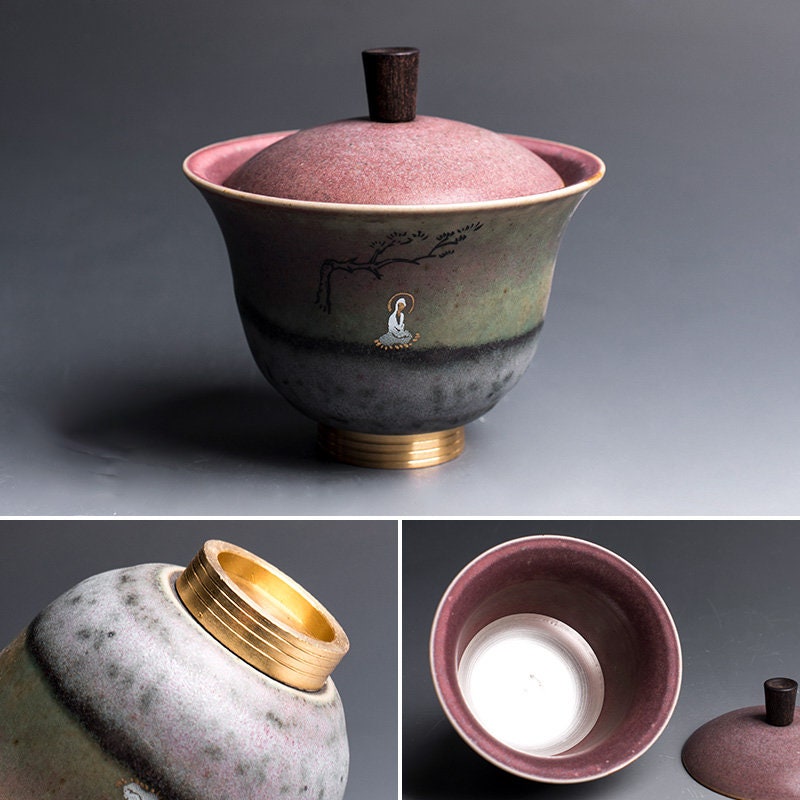
Japanese Teacups vs. Chinese Teacups: What’s Different? frames how form and function diverge across two great pottery traditions. Japanese cups often emphasize restrained simplicity, thin walls, and a tactile lip. Chinese cups commonly showcase bold glazes, varied shapes, and rich surface decoration. Regional brewing rituals influence cup volume and mouthfeel. Historical trade and local kilns shaped each practice over centuries. Collectors value authenticity, provenance, and technical mastery when comparing pieces. Practical use in daily preparation also matters for selection. Understanding core contrasts between these traditions clarifies why certain cups suit specific teas and serving styles more than others.
Japanese Teacups vs. Chinese Teacups: What’s Different? — Materials and clay choices
Japanese Teacups vs. Chinese Teacups: What’s Different? often begins with clay selection. Japanese vessels frequently use porcelain, stoneware, and refined local clays like Shino or Bizen. Those clays provide earthy tones and variable textures after firing. Chinese teaware includes Yixing zisha, fine porcelain from Jingdezhen, and many regional stonewares. Yixing clay absorbs and enhances tea flavor over time, favoring gongfu brewing. Jingdezhen porcelain yields translucent, delicate cups for delicate green and white teas. Material choice shapes heat retention and tactile feedback. Buyers should match clay properties to brewing intentions for optimal sensory results and long-term satisfaction.
Japanese Teacups vs. Chinese Teacups: What’s Different? — Glaze, firing, and surface language
Japanese Teacups vs. Chinese Teacups: What’s Different? also shows in glaze vocabulary. Japanese glazing tends toward natural ash effects, muted celadons, and subtle tenmoku finishes. Firing often produces unpredictable, celebrated surface variations. Chinese glazes span flamboyant copper reds, famille-rose enamel, and classic imperial glazes. High-temperature reduction and precise kiln control yield brilliant color fields. Surface crackle, oil-spot tenmoku, and hare’s fur patterns carry cultural associations. Each glaze tradition reflects aesthetic priorities and technical lineage. Observers read glaze behavior to assess kiln expertise and age, which matters for both functional use and collecting value.
Form, lip, and mouthfeel differences
Form and mouthfeel distinguish practical performance between traditions. Japanese cups frequently have a slightly tapered mouth and thin rim for delicate sipping. That design encourages close aromatic focus and slower, attentive drinking. Chinese cups vary from shallow saucers to rounded beakers, often favoring broader aroma spread for group service. Rim profile affects tea flow and perceived texture on the tongue. Handle use also diverges, with many Japanese cups being handleless and Chinese examples sometimes including small handles. Those design decisions evolve from serving rituals and preferred tea families, which shape tactile and flavor impressions deeply.
Size, capacity, and ritual use across regions
Size selection reflects ritual and daily habits across Asia. Japanese servings tend to use modest volumes supporting single-session appreciation. Many Chinese contexts utilize multiple small pours or larger bowls for family sharing. Gongfu tea culture favors very small vessels for concentrated extraction and multiple infusions. Westernized Chinese service may prefer larger cups or teapots for extended sipping. Choice of capacity impacts extraction dynamics and infusion count. Matching cup volume to brewing method ensures balanced flavor, avoids over-extraction, and honors cultural intent. Practical use therefore guides size more than mere visual preference.
Choosing a gift? Check the contents, not just the style
A cultural comparison can help you explore designs, but the recipient's serving size and the package contents are more practical buying checks. Do not assume that a product called a gift set contains several cups.

Blue Glaze Texture Tea Cup Gift Set
The Blue Glaze Texture Tea Cup Gift Set includes one cup in your selected Petal or Round shape, plus one gift box; no accessories are included. Both options are listed at 100 ml, 7.6 cm diameter and 4 cm interior depth. Select the shape on the product page and compare its photographs before ordering.
Aesthetics, philosophy, and minimalism versus ornament
Aesthetic philosophy frames visible contrast across teaware. Japanese design often privileges wabi-sabi values, favoring imperfection and subtlety. That approach highlights texture, glaze irregularity, and quiet presence. Chinese teaware frequently celebrates visual richness, surface narrative, and decorative symbolism. Emblems, painted scenes, and calligraphy appear on many historic Chinese pieces. Both philosophies carry deep cultural meanings and inform how cups are displayed and handled. Personal collectors and tea shops choose pieces based on resonance with these philosophies, aiming for coherence between tea type and visual context.
Production methods and artisan traditions
Production methods reveal long artisan lineages in each region. Japanese kilns like Bizen, Seto, and Karatsu carry centuries of practice and lineage-based firing knowledge. Many techniques emphasize hands-on control and small studio production. Chinese centers such as Jingdezhen and Yixing developed large-scale technical knowledge plus individual master workshops. Technical mastery ranges from wheel-thrown precision to hand-built teawares. Apprenticeship systems and historical guild practices preserve methods and provenance markers. Buyers seeking authentic pieces should look for maker marks, kiln records, and verified lineage when possible.
Practical buying considerations and authenticity checks
Practical buying requires attention to provenance and physical cues. Verify kiln marks or dealer credentials when possible. Ask about clay origin, firing temperatures, and glazing processes. Inspect lip finish, weight, and thermal behavior to ensure functional suitability. For Yixing pots, test for seasoning capacity by brewing a few infusions and noting flavor retention. For porcelain, check translucency and glaze uniformity. Beware of modern reproductions marketed as antiques without documentation. Trusted dealers and reputable auction houses provide credible provenance, helping buyers avoid costly mistakes and protecting investment value.
List of Key Differences
-
Clay origin and porosity levels
-
Glaze style and firing approach
-
Rim thickness and mouthfeel design
-
Typical vessel capacity and ritual use
-
Decorative philosophy and surface language
Key differences clarified above give practical paths to selection. Clay origin defines thermal retention and aging behavior. Glaze choices influence aesthetic resonance and tactile feedback. Rim design alters flow and sip comfort while capacity fits ritual patterns. Decorative philosophy joins aesthetics with cultural meaning when choosing a piece. Considering these points together helps buyers, collectors, and tea practitioners match teacup traits to brewing goals and personal taste.
Comparative table of typical features
| Feature | Typical Japanese Cup | Typical Chinese Cup |
| Common Clays | Shino, Bizen, Porcelain | Yixing, Jingdezhen Porcelain |
| Rim | Thin, tapered | Varied, often rounded |
| Glaze | Subtle, natural ash | Rich, varied, decorative |
| Capacity | Small to medium | Small to large |
This table summarizes practical contrasts to guide purchases. Buyers should match capacity to brewing style. Rim and glaze choices affect sensory response directly. Clay type influences long-term use and seasoning potential. Consider these contrasts when building a tea set for purpose and pleasure, not merely for display.
Care, storage, and display best practices
Care practices differ with material and finish. Porcelain and glazed stoneware tolerate gentle dishwasher use, but handwashing extends life. For Yixing clay, avoid detergent to preserve seasoning and absorbed flavors. Dry pieces fully before storage to prevent mold and odor. Store cups on soft surfaces to avoid chipping, and rotate display positions to minimize UV fade. Display arrangements should balance aesthetics with protection. Keeping provenance documentation with the piece maintains value and aids future resale or appraisal efforts.
How collectors and tea drinkers choose between them
Collectors apply multiple criteria when making choices. Consider tea families you drink most often and the rituals you practice. Evaluate tactile comfort, weight, and lip feel through hands-on testing when possible. Factor authenticity and provenance into higher-value purchases. For regular daily use, prioritize durability and ease of cleaning. For ceremonial practice or special brewing, opt for tradition-specific pieces like Yixing teapots or thin-walled Japanese cups. Combining practicality with cultural resonance yields a satisfying collection.
How to use this comparison when choosing a cup
Neither country has a single standard teacup shape. The most useful comparison is the one you can make with a cup in your hand: consider the tea you brew, your usual serving volume, the weight of the vessel, and how the rim feels when you sip. A broad cultural label cannot tell you whether a particular cup will fit your daily routine. For a small, repeated pour, begin by checking capacity and the opening of the cup; for a longer, relaxed serving, look at comfort and the time it takes your tea to cool.
If you are drawn to the dark surfaces and varied glaze patterns associated with Jian ware, browse our Jian Zhan and Tenmoku collection. If you want to compare different shapes and finishes without committing to a specific tradition, start with the wider tea cups collection. Compare the dimensions shown on each product page rather than assuming that two visually similar cups hold the same amount of tea.
For a concrete small-cup example, the Persimmon Teacup is listed at 50 ml. Its size may appeal to someone who serves several short infusions, while a larger cup could be more practical for a single, slower drink. Color and glaze can make the first impression, but capacity, ease of handling, and care requirements should decide whether the piece earns a place in your everyday tea setup. If the cup is a present, our gift-ready cups and sets offer another way to compare presentation as well as function.
Final takeaways and balanced perspective
Japanese Teacups vs. Chinese Teacups: What’s Different? ultimately depends on purpose and taste. Both traditions offer deep technical skill and meaningful aesthetic choices. Matching cup traits to tea types and serving contexts produces the best sensory results. Collectors benefit from verifying provenance and material details before purchase. Everyday users should favor function matched with pleasing looks. Respect for tradition and pragmatic testing merge into confident selection, enabling both enjoyment and preservation of cultural craft.
Frequently Asked Questions
Why do many tea practitioners compare Japanese Teacups vs. Chinese Teacups: What’s Different? when choosing service pieces?
Comparisons help match vessel function to brewing goals. Japanese cups often enhance delicate aroma through thin rims and modest volume. Chinese cups vary in capacity and glaze, supporting both communal and concentrated brewing. Matching cup and tea family mitigates over-extraction and highlights desired notes. Collectors also consider cultural resonance and production lineage. Practical trials, such as brewing a session in candidate cups, reveal nuanced differences in mouthfeel and cooling rate. That hands-on confirmation complements research and provenance checks, guiding confident purchases for both daily and ceremonial use.
How should a new collector approach Japanese Teacups vs. Chinese Teacups: What’s Different? in terms of budget and priorities?
Begin with function before prestige when comparing pieces. Allocate budget for one versatile daily cup, then expand toward specialized items. Prioritize durable clays for regular use and reserve fragile antiques for display. Seek pieces with clear provenance when paying premiums. Balance capacity and rim feel against common brewing methods you employ. If you enjoy gongfu tea, favor Yixing and small tasting cups. For matcha or sencha, choose thin-walled Japanese vessels. Experimentation at modest cost builds practical knowledge and refines collecting taste sustainably.
Can functional performance outweigh cultural preference when Japanese Teacups vs. Chinese Teacups: What’s Different? feels like a dilemma?
Yes, functional performance often trumps pure aesthetic preference for many users. The right teacup should support brewing technique and enhance flavor clarity. Practical factors include thermal retention, lip comfort, and ease of cleaning. If a cup hinders consistent brewing, even the most beautiful piece may disappoint daily. Cultural preference still enriches ritual, but pragmatic testing reveals compatibility with specific teas. Combining cultural respect with functional verification yields the best long-term satisfaction for drinkers and collectors alike.
Share:
The History and Cultural Evolution of Teacups
Comparing Heat Retention in Teacup Materials