


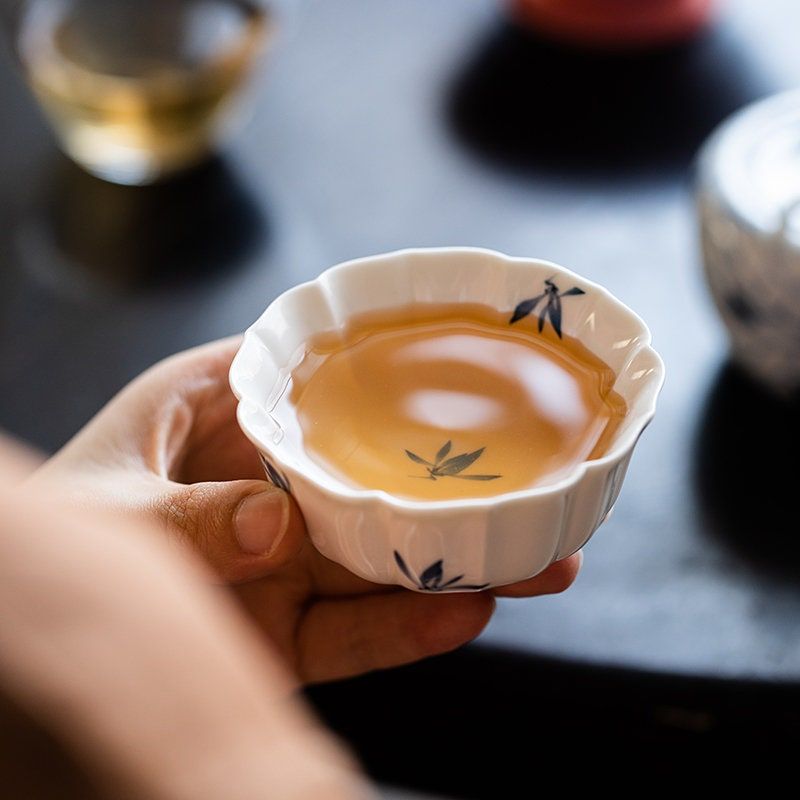
How to Match the Right Teacup with Tea? is the starting question for anyone who cares about taste and ritual. This article examines pairing choices for green, black, oolong, and pu-erh teas in clear, actionable terms. Practical pairing considers material, rim thickness, cup volume, and heat retention. Cultural context and brewing method also affect selection. Photographers and tea sommeliers often test several cups for one tea before deciding. The goal here is to make pairing decisions evidence-based and repeatable. Readers will learn quick rules, see a comparative table, and get long-term care tips to protect both teaware and flavor quality.
Core Principles for Pairing
How to Match the Right Teacup with Tea? begins with four core principles to guide all choices. First, match thermal retention to infusion temperature and leaf size. Second, align rim thickness with delicate versus robust mouthfeel. Third, choose cup volume to suit single-steep tasting or shared service. Fourth, consider surface color to judge infusion clarity and hue. These principles reduce guesswork and help you evaluate teacups objectively. Test samples side-by-side while brewing identical leaves and water. Recording sensory notes improves consistency over time. Applying these rules simplifies pairings for green, black, and oolong teas across any setting.
Pairing with Green Tea
How to Match the Right Teacup with Tea? for green tea emphasizes cool, thin-walled cups. Green tea benefits from rapid heat transfer and quick cooling. Porcelain or thin ceramic works well for delicate grassy and floral notes. Use small to medium cups to preserve aroma concentration. Light-colored interiors help assess liquor clarity and subtle hues. Avoid thick, dark cups that mute openness and reduce perceived freshness. When serving higher-grade senchas or gyokuro, prefer narrow rims that deliver tea gently to the front palate. For casual green sessions, glass allows visual appreciation without color bias.
Pairing with Oolong and Pu-erh
How to Match the Right Teacup with Tea? for oolong and pu-erh requires more nuance. Partially oxidized oolongs reveal floral complexity best in moderate-thickness porcelain or thin stoneware. Use medium-sized cups for layered aroma across multiple infusions. Reddish or warm interiors can complement roasted notes in dark oolongs. For pu-erh, choose small, heat-holding cups that support long steep series. Unglazed Yixing or thick stoneware creates a warmer mouthfeel and aids seasoning for repeated use. Match cup geometry to brewing ritual; wide bowls suit gongfu flights while narrow cups highlight concentrated liquor.
Pairing with Black and Robust Teas
How to Match the Right Teacup with Tea? when considering black teas, favor cups that balance body and aroma. Thicker walls retain heat and extend flavor release for strong brews. Wider mouths open the aroma and let sweet, malty notes unfold. Porcelain still works, but thicker stoneware or double-walled ceramics produce fuller perception. For blends with milk, slightly larger capacities allow comfortable dilution without overflow. Darker interiors can accentuate contrast in color, helping servers judge strength visually. Overall, choose cups that support the tea’s vigor instead of fighting it with rapid cooling.
Materials, Shape, and Thermal Behavior for Best Results
Material and shape dictate thermal dynamics and tactile cues during tasting. Porcelain heats quickly and cools at a moderate pace. Stoneware holds heat longer and emphasizes body in the cup. Glass transmits visual cues and shows colour immediately, aiding assessment. Yixing and unglazed clays absorb trace compounds and may season over time. Narrow, tapered rims concentrate aroma and direct flow to specific tongue regions. Flared rims cool faster and disperse aroma across the palate. Consider handle design for safety and lip contact. Selecting material consciously improves both sensory outcomes and daily usability.
Size, Capacity, and Ritual: Matching Infusion Style
Size and capacity should reflect infusion style and serving pattern. Gongfu sessions need tiny cups and frequent pours. Western-style servings benefit from larger cups for single steeps. Match leaf-to-water ratios to cup volume for consistent extraction. Smaller cups intensify perceived flavor and encourage multiple infusions. Larger cups suit relaxed drinking and milk additions. For tasting flights, bring a set of graduated cups to compare infusions. When hosting, provide clear cues on portion sizes to maintain consistency. Proper sizing reduces waste and yields more repeatable flavor profiles over sessions.
Quick Pairing Checklist
-
Choose porcelain for delicate greens and whites.
-
Use thin rims to highlight floral and vegetal notes.
-
Select stoneware for robust blacks and aged pu-erh.
-
Prefer glass when visual clarity matters.
-
Match cup volume to your brewing method and serving style.
Quick Pairing Checklist Explained
Quick Pairing Checklist gives efficient rules for routine decisions. Porcelain supports light green teas without masking aroma. Thin rims bring tea to the front palate for immediate flavor perception. Stoneware’s heat retention suits bold blacks and fermented pu-erh. Glass works well for color judging and crisp presentation. Matching volume avoids under-extraction or dilute brews when using different cup sizes. These five checkpoints help tea rooms, collectors, and everyday drinkers make faster, better choices. Keep a small log when trying new combinations to refine preferences and to build a reliable reference for future tastings.
Comparative Table of Teacup Traits
| Tea Type | Recommended Cup Material | Preferred Rim | Typical Capacity |
| Green Tea | Porcelain, thin ceramic | Thin, tapered | 60–120 ml |
| Oolong | Porcelain or stoneware | Moderate thickness | 50–120 ml |
| Puerh | Unglazed clay, stoneware | Thicker, rounded | 30–80 ml |
| Black Tea | Stoneware, porcelain | Thicker, flared | 150–300 ml |
Comparative Table Explained
Comparative Table Explained clarifies how traits interact for specific tea families. Capacity ranges match infusion styles and serving expectations. Material recommendations reflect both heat behavior and flavor perception. Rim guidance helps tasters control where tea lands on the tongue. Use the table as a baseline and adjust for leaf grade and personal preference. When testing, change only one variable at a time to see its effect on flavor and aroma. The table serves as a quick reference for both newcomers and experienced tasters aiming for consistent, repeatable results in any brewing context.
Practical Tips for Collectors and Daily Drinkers
Collectors and daily drinkers should maintain a versatile teacup rotation. Keep at least one thin porcelain set and one heat-holding stoneware set. Use glass cups for visual checks and seasonal presentations. Reserve Yixing cups for concentrated gongfu sessions and for teas that benefit from seasoning. Buy samples before committing to full sets, and inspect lip feel and balance in hand. Take notes on how liquids behave in each cup over several brews. Rotate items in regular use to prevent uneven seasoning and to preserve aesthetic value. These habits extend functionality and enjoyment.
Care, Storage, and Testing Before Purchase
Care preserves both flavor quality and teacup investment. Handwash delicate porcelain with mild soap and rinse thoroughly. Avoid detergents on Yixing to retain seasoning. Store cups away from strong odors and direct sunlight. Test new cups with a trial brew and record thermal response and mouthfeel. For secondhand pieces, examine base and rim for hairline cracks under raking light. Request provenance when purchasing high-value teaware. Keep a small notebook or digital file to track pairing successes and failures. Consistent care routines improve both taste outcomes and long-term teacup condition.
Final Takeaways on How to Match the Right Teacup with Tea?
How to Match the Right Teacup with Tea? comes down to aligning material, rim, and volume with tea style. Test systematically and adjust only one variable at a time. Use porcelain for delicate greens and stoneware for bold, aged teas. Glass provides immediate visual feedback and aids service clarity. Keep records and rotate a small collection for versatility. Respect tradition when appropriate, but prioritize sensory outcomes. By following the core principles and checklist, any tea enthusiast can create repeatable, enjoyable brewing rituals that enhance both flavor and experience.
Frequently Asked Questions
What cup should I choose for delicate white and green teas?
Delicate whites and greens benefit from thin-walled porcelain or fine china. These materials transfer heat gently and allow quick cooling. Thin rims focus the liquor on the front palate and preserve subtle floral notes. Small to medium capacities concentrate aroma, which helps perceive nuance in premium leaves. Glass can also work for visual clarity and color judgment. Avoid thick stoneware that masks delicate textures and flattens brightness. When in doubt, test the same leaves in both porcelain and glass to compare sweetness and freshness directly, then choose the cup that brings forward the tea’s most prized attributes.
How can I test a new teacup before buying multiple sets?
Testing a new cup requires a simple, repeatable procedure. Steep a consistent batch of tea with controlled water temperature and timing. Pour equal portions into both the candidate cup and a trusted reference cup. Compare aroma, initial flavor, and aftertaste on successive sips. Note temperature decay over ten minutes to estimate heat retention. Check lip feel by sipping with attention to rim thickness and edge comfort. Record results in a tasting log to track changes across sessions. Repeat with two or three tea types to ensure the cup performs across contexts. This method reduces purchases that later disappoint.
Is there a universal teacup that works for all types of tea?
A single universal teacup rarely satisfies every tea family equally. Moderate-thickness porcelain with a neutral interior and medium capacity covers many use cases well. Such a cup balances heat retention and mouthfeel but rarely optimizes any single category. Serious tasters prefer a small porcelain set for greens and a heat-holding stoneware set for blacks and pu-erh. Collectors often maintain a minimal rotation to achieve both versatility and specialization. If one must choose only one cup, pick a medium-capacity porcelain that offers a compromise between clarity, heat behavior, and tactile comfort.
Share:
The Cultural Symbolism of Chinese Teacups
Do Double-Walled Teacups Really Prevent Burns?