


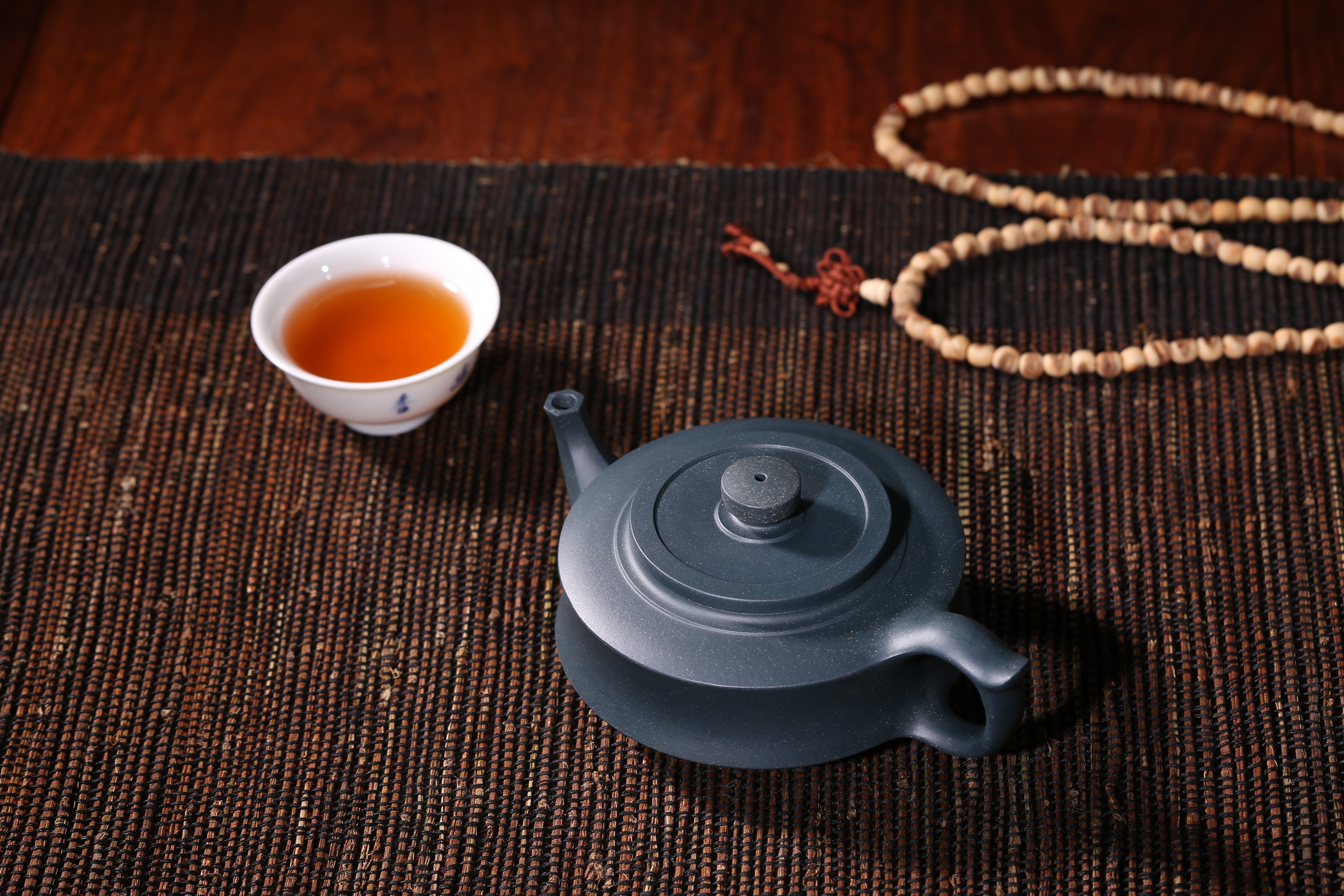
How much caffeine in a cup of tea varies based on type, leaf quality, and brewing method. Black, green, white, and oolong teas each contain different caffeine levels. Water temperature and steeping time affect extraction. Even identical leaf grades can differ in caffeine due to soil and climate conditions. Herbal teas generally have negligible caffeine. Knowing how much caffeine in a cup of tea helps manage energy intake. Adjusting steeping or cup size changes caffeine exposure. Understanding this ensures balanced consumption and maintains health benefits.
How Much Caffeine in A Cup of Tea: Key Factors
Caffeine content depends on multiple elements. Leaf type, oxidation level, and harvest time influence amounts. Younger leaves contain more caffeine than mature leaves. Processing methods like fermentation or steaming change extraction potential. Brewing temperature affects how quickly caffeine releases. Longer steeping yields higher caffeine, while short steeps produce milder results. Storage conditions, such as humidity and light, can also impact caffeine. Considering these factors ensures a predictable caffeine experience for daily consumption.
Comparing Caffeine Levels in Different Tea Types
Black tea has the highest caffeine, usually 40–70 mg per cup. Green tea averages 20–45 mg. Oolong tea falls between 30–50 mg. White tea has 15–30 mg, making it mild. Matcha is stronger due to powdered leaves, often 60–80 mg per serving. Herbal teas typically contain no caffeine. Choosing tea type allows for controlled energy intake. Individuals sensitive to caffeine can prefer white or herbal options. Comparing caffeine levels ensures drinks suit mood and activity level.
Brewing Methods That Affect Caffeine in Tea
Temperature and steeping time directly influence caffeine content. Hotter water extracts more caffeine, while cooler water releases less. Fine leaves or powdered tea increase exposure. Cold-brewing results in lower caffeine and smoother taste. Cup size also alters total caffeine per serving. Adjusting brewing variables helps match caffeine intake with energy needs. Techniques for optimal extraction vary by tea type and desired strength.
Health Implications of Caffeine in Tea
Moderate caffeine provides alertness, energy, and improved focus. Excessive intake can cause insomnia, jitteriness, or palpitations. Pregnant individuals should monitor caffeine carefully. Antioxidants in green and black tea complement caffeine for cardiovascular support. Daily monitoring ensures positive effects without overstimulation. Caffeine interacts differently with each individual, making moderation key. Tailoring tea consumption promotes wellness and balanced energy levels.
Health Implications of Caffeine in Tea
Moderate caffeine provides alertness, energy, and improved focus. Excessive intake can cause insomnia, jitteriness, or palpitations. Pregnant individuals should monitor caffeine carefully. Antioxidants in green and black tea complement caffeine for cardiovascular support. Daily monitoring ensures positive effects without overstimulation. Caffeine interacts differently with each individual, making moderation key. Tailoring tea consumption promotes wellness and balanced energy levels.
List of Teas by Approximate Caffeine Content
-
Black Tea: 40–70 mg per cup
-
Green Tea: 20–45 mg per cup
-
Oolong Tea: 30–50 mg per cup
-
White Tea: 15–30 mg per cup
-
Matcha Powder: 60–80 mg per cup
-
Herbal Tea: 0 mg per cup
This list helps consumers select teas that fit their energy requirements. Monitoring caffeine supports controlled consumption. Adjusting steeping time or leaf quantity further customizes intake. Regular observation prevents unwanted side effects. Choosing tea thoughtfully ensures stimulation without compromise.
Table Comparing Tea Types and Caffeine Levels
| Tea Type | Caffeine Range (mg) | Steeping Time (min) |
| Black Tea | 40–70 | 3–5 |
| Green Tea | 20–45 | 2–3 |
| Oolong Tea | 30–50 | 3–4 |
| White Tea | 15–30 | 2–3 |
| Matcha | 60–80 | 1–2 |
| Herbal Tea | 0 | 3–5 |
This table allows quick comparison of caffeine ranges across tea types. Consumers can match steeping times with preferred stimulation. Visualizing differences aids in making informed decisions. Adjusting preparation ensures consistent caffeine levels. Table reference supports controlled and enjoyable tea consumption.
Factors Influencing Individual Caffeine Sensitivity
Metabolism, age, and health conditions affect how caffeine impacts energy and alertness. Some individuals tolerate high caffeine without side effects. Others experience anxiety or insomnia even with small doses. Drinking multiple cups in a day multiplies effects. Considering sensitivity ensures safe and productive tea consumption. Personal observation helps determine ideal tea types and amounts. Awareness of these factors prevents overstimulation and promotes wellness.
Tips for Reducing Caffeine in Tea
Using lower-caffeine tea types, such as white or herbal, is effective. Shorter steeping time and cooler water temperature also reduce caffeine content. Blended teas with minimal black tea provide milder stimulation. Adjusting cup size lowers total caffeine per serving. Controlled consumption supports better sleep and less jitteriness. Implementing these strategies ensures tea remains enjoyable while minimizing negative effects.
Recommended Tea Choices Based on Caffeine Content
Morning energy boosts often use black or matcha tea. Afternoon alertness may favor green or oolong tea. Evening relaxation prefers white or herbal tea. Matching caffeine content to time of day balances energy and rest. Controlled preparation optimizes flavor and effects. Consumers can rotate tea types for varied experiences and balanced stimulation.
Frequently Asked Questions
1.How much caffeine in a cup of tea affects daily energy?
Caffeine stimulates alertness and focus. Black tea provides strong stimulation, while green and white tea offer moderate energy. Cold-brewing reduces caffeine extraction, producing milder effects. Consuming tea with controlled caffeine maintains productivity. Monitoring daily intake prevents jitters and sleep disruption. Understanding caffeine impact ensures tea supports energy without negative effects.
2. Can caffeine in tea cause health issues?
Excess caffeine can trigger insomnia, rapid heartbeat, or nervousness. Sensitive individuals should prefer low-caffeine teas like white or herbal. Adjusting brewing time or temperature helps control caffeine. Controlled consumption reduces risk of overstimulation. Combining caffeine with antioxidants provides added health benefits. Awareness of potential issues allows safe, enjoyable tea consumption.
3. How to select tea based on caffeine content?
Choosing tea depends on desired alertness and health considerations. Black and oolong teas give stronger stimulation. Green and white teas provide moderate caffeine. Herbal teas contain little to no caffeine. Brewing methods, cup size, and leaf quality adjust intake. Matching tea choice to personal tolerance supports balanced energy. Controlled selection enhances wellness and daily performance.
Share:
Gift Ideas for Your Elderly Parents Who Are Tea Lovers
How Much Loose Leaf Tea Per Cup