


Comparing Heat Retention in Different Teacup Materials matters for flavor, safety, and ritual. Tea temperature influences aroma release and bitterness. Different materials change cooling curves and mouthfeel. A teaware choice affects extraction and perceived body of the brew. Small thermal variations can shift taste from sweet to bitter. This piece examines how porcelain, glass, metal, and clay behave. It also weighs wall thickness, shape, and preheating practices. Practical tests and controlled measurements guide selection. Readers will gain clear criteria for choosing cups by function. The aim is useful, evidence-based guidance for drinkers and product designers.
Comparing Heat Retention in Different Teacup Materials: Core Principles
Comparing Heat Retention in Different Teacup Materials begins with basic physics. Heat loss occurs through conduction, convection, and radiation. Conduction moves heat through material into the air or a hand. Convection circulates cooler air near the surface and accelerates cooling. Radiation emits infrared energy from the hot surface toward the environment. Material thermal conductivity and specific heat capacity determine conduction behavior. High conductivity speeds heat transfer to the environment. High specific heat holds more energy per degree. Surface emissivity and color also influence radiative losses. Combine these variables and you obtain real-world retention differences between cup types.
Comparing Heat Retention in Different Teacup Materials: Comparative Data
Comparing Heat Retention in Different Teacup Materials benefits from measured data. Controlled tests typically fill cups with water at a fixed temperature. Observers then record temperature drop over time. Typical lab results show metal cups cool faster at the lip despite fast interior conduction. Double-walled stainless steel bottles retain heat best among common vessels. Porcelain and stoneware display moderate retention with pleasant mouthfeel. Borosilicate glass cools faster but showcases liquor color. Unglazed clay like Yixing shows unique seasonal behavior, slowly radiating heat while preserving aroma. Comparative figures help shoppers choose the optimal cup for their preferred tea style.
Materials Overview: Porcelain, Glass, Metal, and Clay
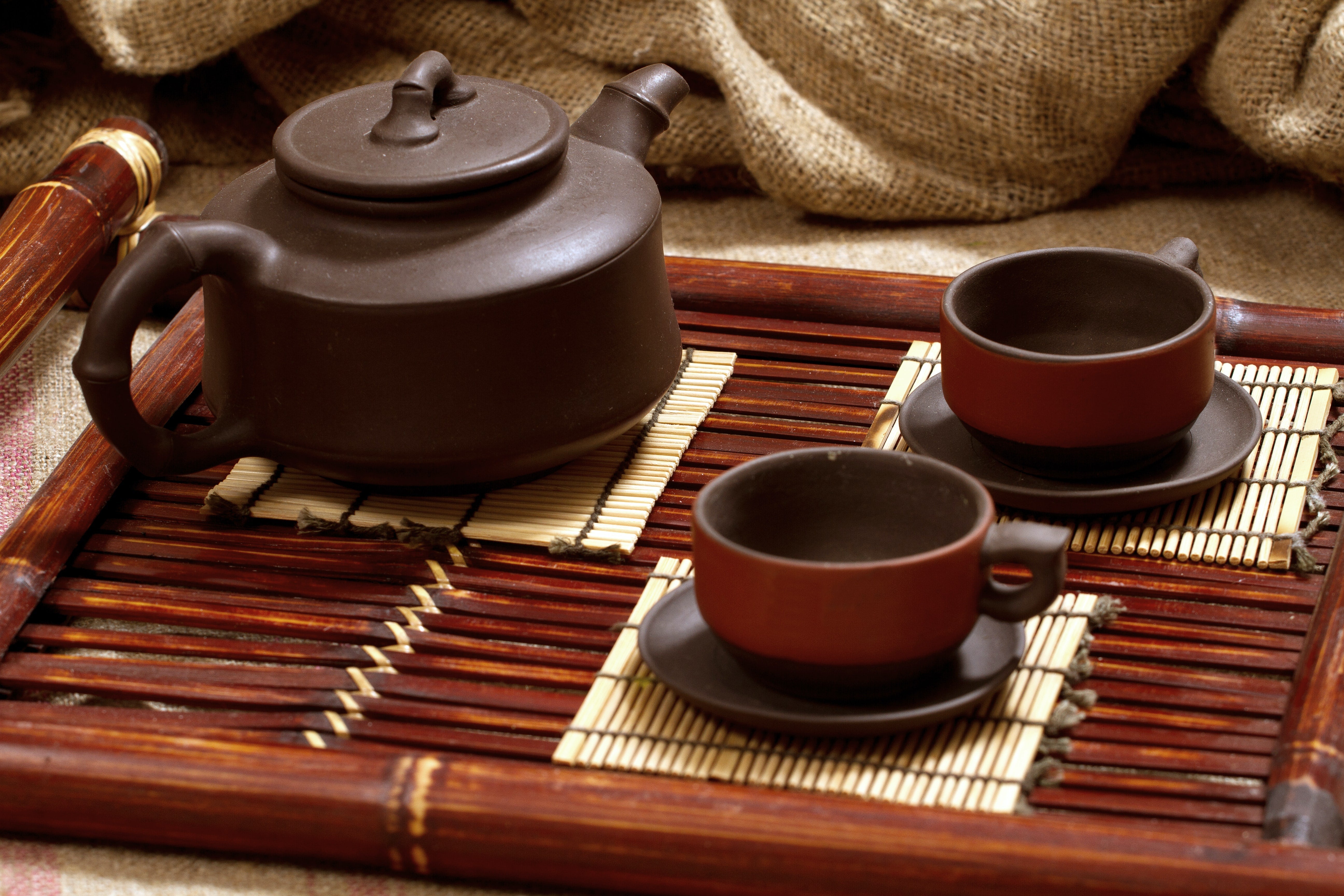
Porcelain offers refined thin walls and neutral flavor. Its specific heat provides steady warmth during short sessions. Glass shows the infusion clearly and supports delicate teas visually. However, single-wall glass tends to cool rapidly. Metal cups, particularly stainless steel, transfer heat quickly and feel hot to touch without insulation. Double-walled metal variants trap air and dramatically slow cooling. Clay teawares like Yixing and Tokoname add seasoning effects, absorbing oils and stabilizing temperature. Thermal mass varies across materials, so capacity and thickness interact strongly with material choice. Practical selection weighs appearance, performance, and ritual.
Wall Thickness, Shape, and Mouthfeel Effects
Wall thickness affects both heat retention and lip feel. Thicker walls provide higher thermal mass, slowing cooling. Thin rims increase sensory precision at the lip, enhancing perceived delicacy. Shape alters surface area relative to volume, changing convection rates and aroma headspace. Wider bowls present larger surface areas, promoting faster cooling but better aroma distribution. Tall, narrow cups keep heat longer by reducing exposed surface. Mouthfeel stems from rim profile and wall thickness combined. Designers manipulate these factors to reach desired sensory outcomes for specific teas and serving styles.
Brewing Style and Cup Capacity Considerations
Brewing style dictates the ideal retention profile for a cup. Gongfu sessions need small vessels that cool rapidly between pours, preserving multiple infusions. Western single-cup service favors medium to large cups that maintain sipable temperatures for longer. Matcha and sencha often use thinner-walled vessels to showcase flavor and quick cooling. Puerh and robust black teas may benefit from heavier cups that retain heat and support longer steeps. Capacity interacts with thermal mass; larger filled volumes hold heat longer even in thinner materials. Choose cup volume to align with infusion length and drinking cadence for consistent results.
Thermal Tests, Real-World Measurements, and Lab Methods
Thermal testing follows repeatable protocols for meaningful comparison. Labs start with water at a fixed temperature and measure decline at set intervals. Surface thermometers, thermocouples, and infrared cameras capture different facets of heat transfer. Repeat tests control ambient temperature, draft, and cup preheat. Real-world tests add variables such as hand presence and room airflow. Well-documented methods report initial temperature, one-minute, and five-minute readings for each material. Understanding test conditions prevents misleading conclusions. Consumers should prioritize tests that replicate their own brewing environment.
List of Key Variables That Influence Heat Retention
-
Material thermal conductivity and specific heat
-
Wall thickness and cup mass
-
Shape, diameter, and exposed surface area
-
Presence of lids or double walls
-
Preheating and serving practices
Factors Affecting Heat Retention: Explained
The variables above act together to shape cooling curves. Thermal conductivity identifies how swiftly heat crosses the material. Specific heat defines how much energy the cup stores per degree. Wall thickness scales stored energy and slows conduction. Shape controls convective exchange and aroma headspace. Lids and double walls trap air, reducing convective loss significantly. Preheating transfers initial energy into the cup, reducing early temperature drop. For practical brewing, combine a material with appropriate thickness, add a lid when needed, and preheat to optimize retention without oversteeping the leaves.
Typical Retention Profiles by Material
| Material | Typical Retention (5 min) | Best Use |
| Single-wall glass | Low | Delicate greens, visual tasting |
| Porcelain | Moderate | Everyday cups, balanced teas |
| Stoneware/ceramic | Moderate-High | Black teas, extended sipping |
| Unglazed clay (Yixing) | High | Pu-erh, gongfu brewing |
| Double-wall stainless steel | Very High | Travel, long retention |
Interpreting the Table for Daily Brewing
Use the table as a starting point, not an absolute rule. For short tasting sessions, select single-wall glass to appreciate color. Choose porcelain for balanced performance across many teas. Stoneware and unglazed clays suit longer sessions and robust teas requiring sustained warmth. Double-wall stainless steel offers unmatched retention for travel but alters mouthfeel slightly. Always match cup type to tea family and serving context. Practical adjustments, such as preheating and using a lid, can shift any cup toward preferred retention behavior.
Care, Preheating, and Practical Tips for Better Retention
Implement simple practices to improve retention across materials. Preheat cups with hot water to reduce initial cooling. Use lids or saucers to minimize convective loss while sitting. For unglazed clay, avoid detergents to preserve seasoning, which subtly influences heat behavior. Choose thicker-walled cups when longer sipping suits your routine. Avoid drafts and chill surfaces during service to prevent rapid temperature drops. For travel, insulated double-wall cups deliver predictable warmth. These tactics preserve flavor and maintain safe drinking temperatures without altering infusion protocols.
Final Takeaways and Selection Advice
Comparing Heat Retention in Different Teacup Materials shows no single winner for all cases. Your ideal material depends on tea type, serving ritual, and desired pace of drinking. Match quick infusions with thinner-walled cups and visual teas with glass. Reserve heavy or double-walled vessels for long sessions or travel. Preheat and use lids to optimize any cup. Prioritize hands-on testing when possible, as mouthfeel and aroma response matter most. Thoughtful selection yields consistent flavor, safer temperatures, and greater satisfaction in daily tea rituals.
Frequently Asked Questions
How does cup material influence tea flavor and aroma perception?
Material influences temperature, which drives aroma release and extraction. Warmer cups sustain volatile compounds and maintain fuller body. Cooler cups let aromatic top notes dissipate rapidly. Porcelain and thin glass often highlight delicate floral and vegetal notes. Stoneware and unglazed clay tend to accentuate roasted or aged characters in robust teas. Mouthfeel changes with rim thickness and thermal conduction, altering perceived sweetness and astringency. Tasting in multiple cup types reveals these effects directly. Practical tasting helps you choose a cup that complements each tea’s character for accurate sensory evaluation.
What practical steps improve heat retention without changing cups?
Start by preheating cups with near-boiling water for a short time. Pour this water into the cup, swirl to warm the walls, then discard before brewing. Use tight-fitting lids during short rests between pours to trap heat. Serve on warm surfaces, and avoid drafts near windows or fans. For small sessions, pour into a warm serving pitcher briefly, then decant to reduce heat loss. Insulate handles or choose sleeves for comfort without altering internal retention. These small habits extend warmth and preserve flavor while keeping your current teaware.
Are double-walled metal cups better than ceramic for everyday tea?
Double-walled metal cups excel at retention and portability. They maintain temperature for long durations and resist breakage. Ceramic offers richer mouthfeel and neutral flavor for many teas. Metal tends to mute subtle aroma cues and may feel heavier. For travel or long commutes, choose insulated metal. For at-home tasting and delicate teas, select ceramic or porcelain. Balance depends on your priorities: warmth and durability versus sensory nuance and tradition. Many enthusiasts keep both types to match context and tea family.
Share:
Japanese Teacups vs. Chinese Teacups: What’s Different?
What’s the Best Teacup for Drinking Black Tea?