


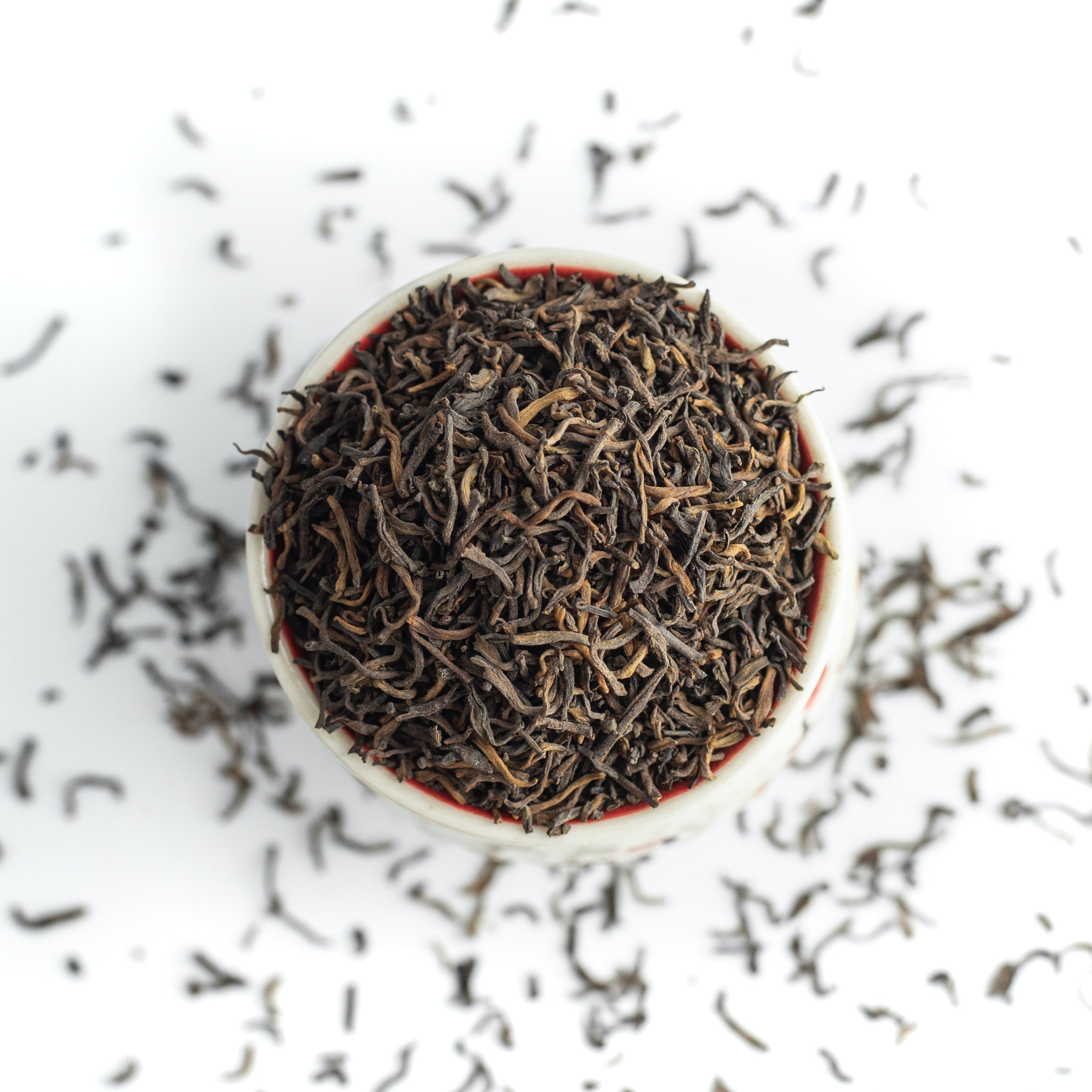
People Who Cannot Drink Tea often experience health issues when consuming even small amounts. Although tea is widely praised for antioxidants and soothing qualities, certain groups must avoid it. Drinking tea without considering body conditions may worsen digestion, disturb sleep, or affect bone recovery. JianZhan Tenmoku teaware remains excellent, yet proper tea habits matter more for those with medical concerns. Identifying who should avoid tea ensures balance between wellness and tradition.
People Who Cannot Drink Tea with Constipation
People Who Cannot Drink Tea with constipation often suffer aggravated symptoms. Tea contains tannins and alkaloids, which dry the intestines and reduce bowel moisture. Constipated individuals already face digestive blockages, and tea compounds intensify this dryness. When consumed daily, stools harden further, leading to painful and prolonged conditions. Instead, such individuals benefit from hydrating drinks, high-fiber foods, and mild herbal infusions. Careful selection of beverages ensures digestive relief without worsening intestinal discomfort.
People Who Cannot Drink Tea with Neurasthenia
People Who Cannot Drink Tea with neurasthenia or insomnia risk overstimulation. Tea caffeine directly excites the central nervous system, raising alertness when rest is needed. Even weak tea may disrupt sleep cycles, creating restless nights and increased fatigue. Chronic stimulation elevates stress, leading to poor concentration and emotional imbalance. For such individuals, avoiding tea and choosing calming herbal drinks promotes restorative rest. Balanced evening routines without tea restore health and mental clarity.
People Who Cannot Drink Tea with Calcium Deficiency
People Who Cannot Drink Tea with calcium deficiency may see bone strength decline. Alkaloids in tea reduce calcium absorption in the duodenum, preventing essential mineral intake. At the same time, tea encourages calcium excretion through urine, creating a double loss effect. This cycle leads to weaker bones, higher fracture risk, and delayed recovery. People with osteoporosis or healing fractures must carefully avoid tea. Nutrient-rich milk or fortified alternatives protect bone density more effectively.
People Who Cannot Drink Tea with Heart Conditions
People Who Cannot Drink Tea with hypertension or heart disease face cardiovascular risks. Tea caffeine stimulates metabolism and quickens heartbeat. Over time, such stimulation raises blood pressure, strains arteries, and creates dangerous fluctuations. Even moderate tea consumption can trigger palpitations in sensitive individuals. Long-term tea drinking may increase stress on fragile circulatory systems. Instead, such individuals benefit from decaffeinated beverages, steady hydration, and balanced diets supporting heart health.
Key Categories of People Who Cannot Drink Tea
The following groups are most at risk:
-
Individuals with constipation
-
Patients with insomnia or neurasthenia
-
People recovering from fractures
-
Those with calcium deficiency
-
People suffering from hypertension or heart disease
Impact of People Who Cannot Drink Tea on Lifestyle Choices
Recognizing these categories allows better lifestyle decisions. Choosing the right beverage supports digestion, rest, bone health, and cardiovascular balance. While tea offers many wellness benefits, ignoring contraindications risks worsening conditions. Replacing tea with safe alternatives ensures daily hydration without sacrificing health. Proper choices align tradition with modern medical knowledge, creating harmony between body needs and cultural practices.
Table of People Who Cannot Drink Tea
| Condition | Effect of Tea | Recommendation |
|---|---|---|
| Constipation | Dry intestines, hard stools | Choose fiber-rich drinks |
| Insomnia | Stimulates nervous system | Use calming herbal teas |
| Calcium deficiency | Blocks absorption, causes loss | Drink milk or supplements |
| Fractures | Delays recovery | Avoid tea during healing |
| Heart disease | Raises blood pressure | Switch to caffeine-free drinks |
Why People Who Cannot Drink Tea Must Avoid Risks
The table shows tea’s interaction with sensitive conditions. For constipation, insomnia, or fractures, tea worsens the core issue. For heart disease or calcium loss, tea intensifies long-term health risks. Careful alternatives ensure daily comfort and safety. By respecting body limits, individuals avoid complications while maintaining hydration. Avoiding tea is not weakness but wisdom rooted in health awareness.
Cultural View on People Who Cannot Drink Tea
People Who Cannot Drink Tea often feel excluded in cultures where tea holds central value. Sharing tea signifies respect, hospitality, and connection. Yet declining tea for health reasons should not cause guilt. Alternative beverages can be served with equal dignity, keeping social rituals intact. Modern society values inclusivity, allowing everyone to join traditions without harm. Respecting health-based restrictions preserves harmony between culture and wellness.
Healthy Alternatives for People Who Cannot Drink Tea
Healthy options provide substitutes for those unable to enjoy tea:
-
Chamomile infusions
-
Warm lemon water
-
Rooibos tea
-
Calcium-rich milk
-
Mint herbal blends
Benefits of Alternatives for People Who Cannot Drink Tea
Alternatives carry unique benefits. Chamomile soothes insomnia, lemon water supports digestion, rooibos strengthens immunity, milk protects bones, and mint aids relaxation. Each option allows individuals to maintain warm rituals without health risks. Substitutes prove that health preservation does not require giving up comfort. Drinking safe alternatives ensures balance between tradition and modern well-being.
FAQ
Why are there People Who Cannot Drink Tea at all?
People Who Cannot Drink Tea may suffer from conditions worsened by caffeine, tannins, or alkaloids. Constipation, insomnia, calcium deficiency, and cardiovascular disease all interact negatively with tea compounds. For example, caffeine stimulates the nervous system, blocking rest and elevating heart rate. Tannins dry intestines, while alkaloids prevent calcium absorption. These combined effects create genuine risks. Avoiding tea prevents harmful symptoms, supporting overall balance, comfort, and long-term wellness.
What are safe choices for People Who Cannot Drink Tea?
People Who Cannot Drink Tea should select beverages that soothe instead of irritate. Herbal infusions like chamomile or rooibos offer relaxation without caffeine. Warm lemon water supports digestion and hydration. Milk provides calcium and strengthens bones. These alternatives maintain warmth and ritual while protecting health. Switching does not mean losing tradition but adapting it. Healthy substitutes ensure individuals stay part of cultural practices while prioritizing personal well-being.
Can People Who Cannot Drink Tea ever resume drinking it?
People Who Cannot Drink Tea may resume under professional advice if conditions improve. For example, after recovering from fractures or managing blood pressure, small amounts may be tolerated. Monitoring body responses ensures safety. However, individuals with chronic insomnia or severe calcium deficiency may never regain tolerance. Moderation and awareness are crucial. Consultation with healthcare providers ensures informed choices. Safety always comes before cultural or social expectations regarding tea drinking.
Share:
6 Benefits of Drinking Tea that You Should Know
The Making Process of Tenmoku