


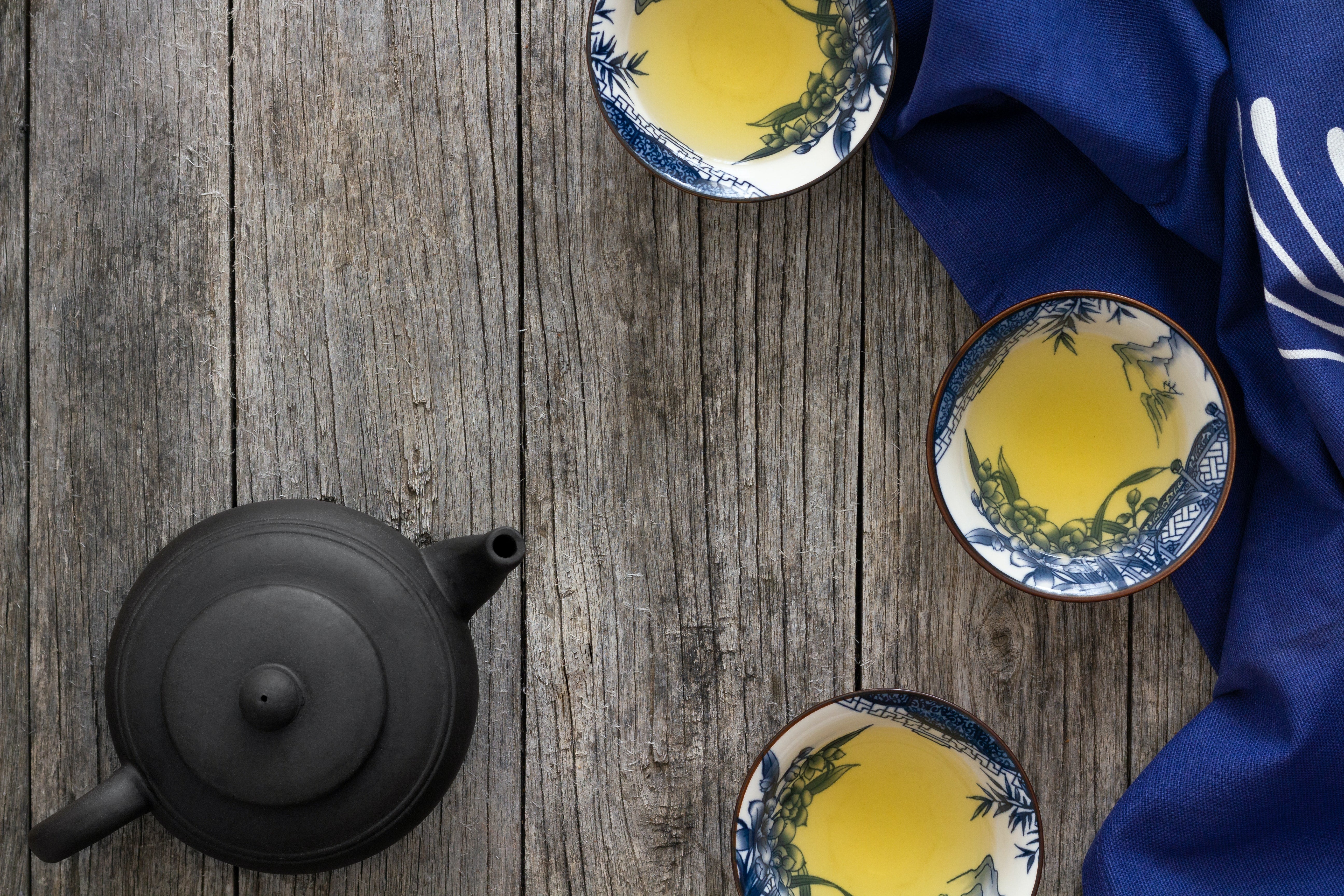
The Tenmoku glaze origin story begins in China, although the word “Tenmoku” comes from Japanese. This distinction often confuses first-time buyers. Some product descriptions present Tenmoku as a Japanese pottery style. Others connect it directly with Chinese Jian Zhan. Both statements contain part of the truth, but neither tells the complete story.
The dark, iron-rich tea bowls that inspired the Tenmoku tradition were produced in China centuries ago. Japanese Buddhist monks and tea practitioners later carried Chinese bowls, tea customs, and ceramic ideas to Japan. The Japanese name became internationally familiar, while the original Chinese craft continued under names such as Jian ware and Jian Zhan.
Tenmoku is therefore best understood as a cross-cultural ceramic tradition. Its technical roots lie in Chinese kilns. Its widely recognized name developed in Japan. Modern ceramic artists across many countries have expanded the term even further.
The Short Answer to the Tenmoku Glaze Origin Question
Tenmoku-style black-glazed tea bowls originated in medieval China. Jian kilns in Fujian Province produced some of the most influential examples during the Song dynasty. Surviving museum pieces date from approximately the eleventh through thirteenth centuries and feature dark stoneware bodies with iron-rich glazes.
The name “Tenmoku” developed in Japan. It comes from the Japanese reading of Tianmu, or 天目, the name of mountains in Zhejiang Province. Kyoto National Museum explains that Japanese priests admired black-glazed bowls associated with a temple on Mount Tianmu and brought such bowls back to Japan. The museum also notes that the imported Chinese bowls continued to be called Tenmoku in Japanese.
This creates two related origins:
-
The ceramic technology and early tea bowls came from China.
-
The internationally familiar name came through Japan.
Keeping these two origins separate makes the history much easier to follow.
Chinese Kilns Created the Foundations of Tenmoku Glaze
The earliest Tenmoku tradition cannot be separated from Chinese black-glazed stoneware. During the Song dynasty, several Chinese kilns produced bowls for powdered tea. Jian kilns became especially famous for dark clay bodies and glossy iron-rich surfaces.
The Metropolitan Museum of Art identifies surviving bowls from the eleventh and twelfth centuries as Jian ware made in China. These pieces often carry the celebrated hare’s-fur effect, where pale or metallic streaks flow through a dark glaze. The British Museum also holds Southern Song Jian tea bowls with black Tenmoku glaze.
Jian bowls were not simply black tableware. Their appearance resulted from the relationship between local clay, glaze composition, kiln atmosphere, temperature, and cooling. Iron within the glaze separated during firing and created visible streaks or spots.
The Metropolitan Museum explains that Jian bowls developed dramatic black and brown surfaces through iron oxide in the glaze. Excess iron could separate from the glaze during firing and form patterns such as hare’s fur.
These kiln effects became central to the visual language now associated with Tenmoku.
Why Tea Culture Encouraged Dark Glazed Bowls
The popularity of black-glazed bowls was closely connected with the way tea was prepared during the Song dynasty. Powdered tea was whisked with hot water, creating pale foam across the surface.
A dark bowl made the foam easier to see. It also provided a dramatic visual setting for the tea. The bowl therefore supported both practical evaluation and aesthetic appreciation.
Jian bowls usually have relatively simple forms. Many feature a wide mouth, sloping sides, a small foot, and a substantial body. These characteristics helped the bowl feel stable while tea was whisked.
The thick ceramic body could also retain warmth. Meanwhile, the dark interior emphasized the color and texture of the drink.
This combination of function and beauty helped Chinese black-glazed bowls become highly desirable. Their value did not depend on painted decoration. Instead, viewers admired the glaze, shape, surface movement, and unexpected results of firing.
That preference for kiln-created beauty would later influence Japanese tea culture profoundly.
How Tianmu Mountain Gave Tenmoku Its Name
The pottery was not originally produced on Tianmu Mountain. This point is important because the name can suggest a false production origin.
Tianmu Mountain is in Zhejiang Province, while the best-known Jian kilns were located in Fujian Province. The bowls became associated with Tianmu through religious travel, temple culture, and the movement of tea objects between China and Japan.
A widely repeated historical account says Japanese Buddhist priests encountered black-glazed Chinese tea bowls at or near temples on Mount Tianmu. They later brought examples back to Japan. Kyoto National Museum presents this connection directly, while British Museum labels describe it as a traditional or legendary account.
The difference in wording matters. Museums agree that the Japanese name relates to the Tianmu mountains. However, the precise route taken by every early bowl cannot always be documented.
It is therefore safer to say that the name reflects a strong historical association with Mount Tianmu, rather than claiming every Tenmoku bowl passed through one specific temple.
How Chinese Tea Bowls Reached Japan
Trade, religious travel, and cultural exchange connected China and Japan for centuries. Japanese monks studied Buddhism in China and returned with texts, rituals, objects, and tea practices.
Chinese tea bowls formed part of this larger movement. Kyoto National Museum states that Chinese Tenmoku tea ware entered Japan during the Heian and Kamakura periods alongside knowledge of powdered tea preparation. During the Muromachi period, these bowls were classified, named, used, and appreciated as artistic objects.
This transition changed the role of Tenmoku bowls.
In China, Jian bowls developed within a specific tea culture and kiln economy. In Japan, imported Chinese bowls became treasured objects. Their foreign origin, glaze quality, and connection with tea practice increased their prestige.
Japanese collectors and tea practitioners created classifications for different imported bowl types. Special stands and storage boxes were sometimes used to protect and present them.
A tea bowl was no longer only a drinking vessel. It could also become an object for close observation, conversation, connoisseurship, and cultural memory.

Is Tenmoku Glaze Chinese or Japanese?
The most accurate answer is that Tenmoku has Chinese origins and an important Japanese history.
The foundational black-glaze technology, Jian tea bowls, and early visual effects came from China. The name Tenmoku is Japanese, and Japanese tea culture played a major role in preserving, classifying, and elevating these ceramics.
The tradition also expanded after Japanese potters began making local interpretations. Museums preserve Japanese Tenmoku bowls from regions such as Seto and Mino. These works show that Tenmoku became more than a label for imported Chinese ceramics. It also inspired new Japanese production.
For modern consumers, three descriptions may appear:
-
Chinese Jian Zhan made within the Jian ware tradition
-
Japanese Tenmoku bowls inspired by imported Chinese ceramics
-
Contemporary Tenmoku-glazed pottery made elsewhere
These categories overlap visually, but they are not historically identical.
Does Every Tenmoku Bowl Come from Jian Kiln Traditions?
No. Jian ware holds a central place in the story, but Tenmoku became a broader Japanese classification for several kinds of imported Chinese black and brown glazed tea bowls.
Kyoto National Museum collections include Jian Tenmoku, Cizhou Tenmoku, and Jizhou Tenmoku from Song-period China. These examples show that Japanese usage extended beyond one kiln alone.
Jian ware remains especially influential because of its dark body, thick glaze, and famous effects. Hare’s fur and oil spot surfaces are now strongly associated with Tenmoku.
However, using “Tenmoku” as a strict synonym for “Jian Zhan” can hide important differences.
Jian Zhan usually refers more specifically to bowls connected with Jianyang production, Jian ware materials, and Chinese craft traditions. Tenmoku can describe a wider historical and aesthetic family.
This distinction helps consumers interpret product descriptions more carefully.
How the Original Glazes Developed Their Patterns
Traditional Tenmoku surfaces depend heavily on iron. At high temperatures, the glaze melts and moves across the bowl. During firing and cooling, iron-rich material can separate, crystallize, or form streaks.
The final appearance depends on several factors:
-
Iron content within the glaze
-
Thickness of the glaze application
-
Shape and angle of the bowl
-
Maximum kiln temperature
-
Oxidation or reduction conditions
-
Length and speed of cooling
-
Composition of the clay body
-
Position inside the kiln
Hare’s-fur effects appear as fine lines moving downward through the glaze. Oil-spot effects form round metallic markings against a dark surface.
These patterns are not normally painted onto the finished bowl. They emerge from controlled materials and kiln reactions.
Experienced potters can influence the result, but they cannot make every piece perfectly identical. This limited predictability explains why natural variation remains an important part of Tenmoku’s appeal.
How Tenmoku Changed After Entering Japan
Japanese appreciation did more than preserve imported bowls. It placed them within new systems of display, naming, tea practice, and artistic judgment.
Chinese objects became important within Japanese chanoyu. Kyoto National Museum describes the tea bowl as both a drinking vessel and an object of aesthetic appreciation shared between host and guests.
Over time, Japanese potters created bowls influenced by Chinese forms while adapting them to regional materials and tastes. Seto and Mino became associated with Japanese Tenmoku production.
Some Japanese examples followed dark and restrained Chinese precedents. Others used yellow, brown, reddish, or mottled glazes. Silver rims and lacquer stands also became part of the presentation of certain bowls.
This development means Tenmoku should not be treated as a completely fixed glaze recipe. Historically, the term included different bowl shapes, glaze appearances, production centers, and levels of prestige.
Its identity came from a combination of form, glaze, tea function, and cultural association.
How Modern Tenmoku Became a Global Ceramic Style
Contemporary potters now use the term Tenmoku for a wide range of iron-rich glazes. Artists work with wood, gas, and electric kilns. Some follow Jian-inspired traditions closely, while others pursue new colors and crystalline effects.
Modern Tenmoku pottery may come from China, Japan, Europe, North America, or other regions. Geographic origin alone no longer determines whether a seller uses the name.
This expansion brings creative possibilities, but it also creates ambiguity.
One potter may use Tenmoku to describe a glossy brown-black glaze. Another may reserve the term for visible hare’s-fur or oil-spot crystallization. A retailer may apply it broadly to almost any dark tea bowl.
Consumers should therefore look beyond the name. Useful product information includes the country of production, clay body, firing process, glaze type, dimensions, food-contact suitability, and whether the piece is handmade.
How to Interpret the Origin of a Bowl Before Buying
A product called Tenmoku should not automatically be assumed to be antique, Japanese, or made in Jianyang.
Read the description and look for specific evidence.
Questions worth asking include:
-
Where was the bowl made?
-
Is it described as Jian Zhan or a modern Tenmoku interpretation?
-
Which glaze pattern does it feature?
-
Was the pattern created through firing?
-
Is the piece handmade?
-
Are the materials suitable for food contact?
-
Are the photos showing the exact bowl or a representative example?
-
Does the seller explain natural glaze variation?
Clear answers make it easier to judge the product fairly.
A modern bowl does not need ancient provenance to have value. Contemporary pieces can offer excellent craftsmanship, beauty, and daily usability. The important point is accurate description.
Why the Tenmoku Glaze Origin Still Matters
Origin affects how people understand the bowl in their hands.
Knowing the Chinese roots prevents the history from being reduced to a purely Japanese invention. Recognizing Japan’s role prevents the story from ignoring centuries of preservation, classification, tea practice, and ceramic reinterpretation.
The complete history belongs to cultural exchange.
Chinese potters created remarkable iron-glazed bowls. Buddhist travel and tea culture carried those objects into Japan. Japanese collectors and tea practitioners gave the Tenmoku name lasting international influence. Modern artists then transformed the tradition into a global ceramic language.
That layered origin is part of what makes Tenmoku distinctive. It is not only a glaze color. It is a record of movement between kilns, temples, tea rooms, museums, collectors, and contemporary homes.
Frequently Asked Questions
Did Tenmoku glaze originate on Tianmu Mountain?
The name is associated with Tianmu Mountain, but the most influential Jian tea bowls were produced in Fujian Province rather than on the mountain itself. Japanese priests are traditionally said to have encountered black-glazed bowls near temples on Mount Tianmu and carried such ceramics back to Japan. The Japanese pronunciation of Tianmu became Tenmoku. Therefore, Tianmu Mountain is central to the origin of the name, while Chinese ceramic centers such as Jian kilns are central to the origin of the pottery technology and early bowl tradition.
Is Jian Zhan the original form of Tenmoku?
Jian Zhan is one of the most important original sources behind the Tenmoku tradition. Song-dynasty Jian kilns produced dark iron-glazed bowls with hare’s-fur, oil-spot, and related effects. These bowls were admired in Japan and became closely associated with the Tenmoku name. However, Japanese classifications also included black-glazed bowls from other Chinese kiln traditions. Modern Tenmoku has expanded further and can include Japanese or contemporary interpretations. Jian Zhan is therefore foundational, but the two terms should not always be treated as exact synonyms.
Can a modern bowl made outside China or Japan be called Tenmoku?
Many contemporary potters use Tenmoku to describe iron-rich dark glazes inspired by historical Chinese and Japanese ceramics. A bowl made elsewhere may reasonably be described as Tenmoku-glazed when its materials, firing behavior, and appearance fit that tradition. However, it should not be marketed as Jian Zhan unless it has a genuine connection with Jian ware production or craft heritage. Transparent descriptions help consumers distinguish historical origin, artistic inspiration, geographic production, and modern glaze interpretation.
Final Thoughts
The Tenmoku glaze origin cannot be reduced to one country, one mountain, or one glaze recipe. The ceramic foundation developed in China, with Jian ware playing a leading role during the Song dynasty. The Tenmoku name emerged through Japanese engagement with Chinese tea bowls and its association with Tianmu Mountain.
Japan then preserved, classified, and reinterpreted the tradition. Modern potters carried it into studios around the world.
A Tenmoku bowl therefore represents more than a dramatic dark surface. It reflects Chinese ceramic innovation, Buddhist exchange, Japanese tea appreciation, and centuries of artistic adaptation.
Understanding that background allows buyers to appreciate both historical authenticity and contemporary craftsmanship. It also makes the quiet act of drinking tea from a Tenmoku bowl feel connected with a much larger cultural journey.
Share:
How Did Tenmoku Glaze Shape the History of Ceramic Art?
What Are the Main Types of Tenmoku Glaze?