

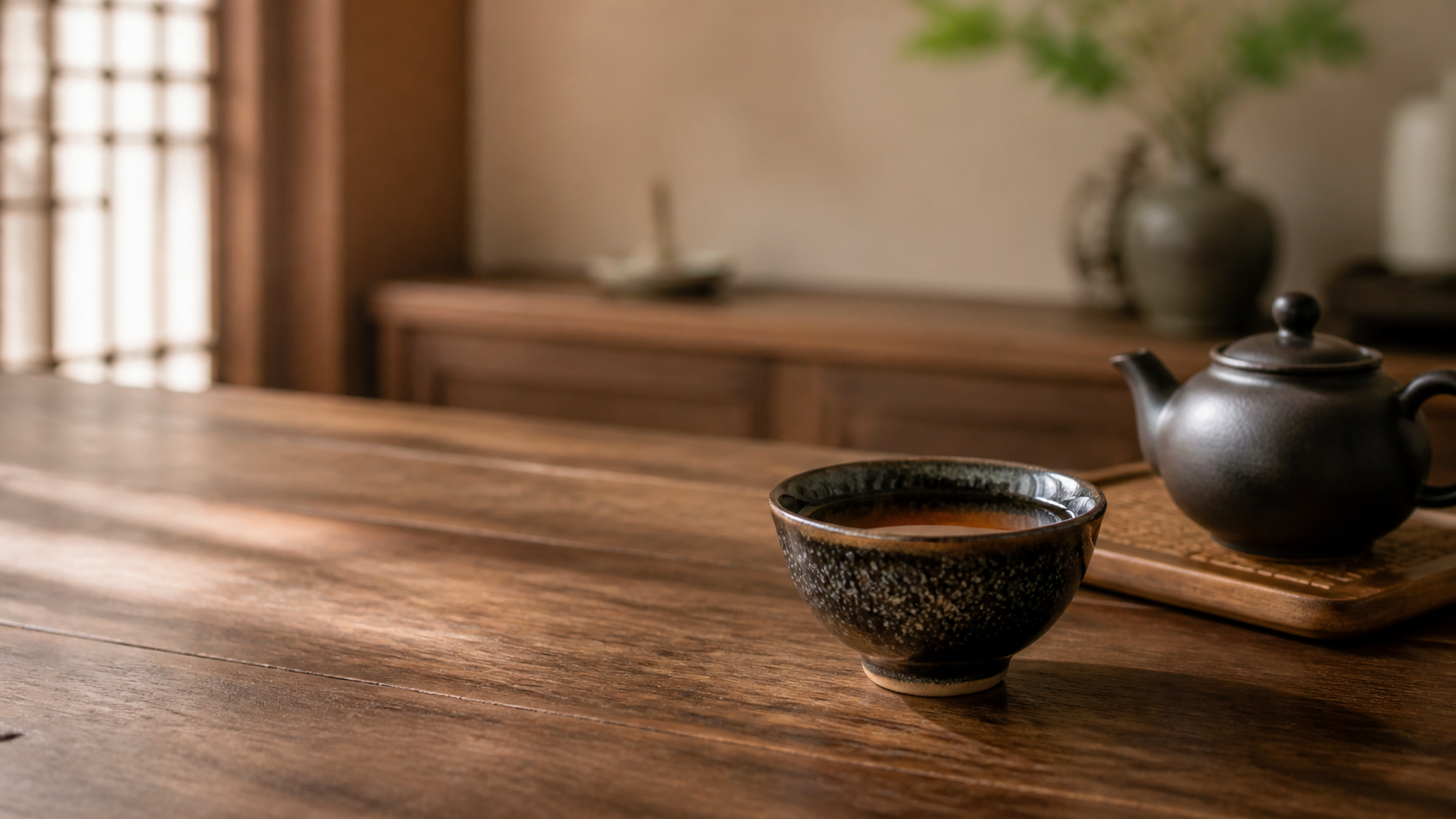
A tea cup is a small vessel made for drinking prepared tea. That definition sounds simple, but the right cup does much more than hold liquid. Its size influences how quickly tea cools; its rim changes the way the tea reaches your palate; its material can affect heat, weight, and the feel of a daily tea ritual. A tea cup can be a quiet everyday object, a tool for gongfu brewing, or a thoughtful gift that invites someone to slow down.
For a first cup, start with the tea you drink most often and the way you serve it. Small cups suit short, repeated pours. A larger cup may feel more natural for a relaxed breakfast or an afternoon desk break. The most useful choice is not the most elaborate one—it is the cup you will enjoy reaching for.
What makes a vessel a tea cup?
A tea cup is designed to receive tea after it has been brewed. Unlike a teapot, gaiwan, or infuser, it is not primarily a brewing vessel. Unlike a large mug, it is usually smaller, lighter, and intended to let you notice temperature, aroma, and texture over a few measured sips. Traditional forms vary widely: a handleless Chinese tasting cup, a Japanese yunomi, a European porcelain cup, and a dark-glazed Jianzhan cup can all be tea cups.
There is no single correct capacity or shape. Context matters. A compact cup encourages you to pour fresh tea more often; a generous cup favors convenience. What unites them is the drinking experience: a stable base, a comfortable rim, heat that feels manageable in the hand, and a volume that matches the way the tea is served.
Tea cup, tea bowl, mug, and gaiwan: what is the difference?
These words sometimes overlap in everyday conversation, but separating their jobs makes shopping easier. A tea bowl is generally wider and more open, with room to whisk matcha or enjoy a larger serving. A mug is commonly larger and often has a handle, making it practical for long drinks. A gaiwan is a lidded brewing vessel, although some people drink from it directly. A tea cup is the serving vessel at the end of the brewing process.
| Vessel | Typical role | Best for | What to consider |
|---|---|---|---|
| Tea cup | Drinking brewed tea | Daily tea, gongfu sessions, tasting | Rim comfort, capacity, heat in the hand |
| Tea bowl | Whisking or drinking a fuller serving | Matcha, casual tea, shared ritual | Width, depth, balance, bowl shape |
| Mug | Long, convenient drink | Desk tea, breakfast, large servings | Handle, larger capacity, cooling time |
| Gaiwan | Brewing and decanting tea | Gongfu brewing and leaf observation | Heat handling, lid control, pouring skill |
How size changes the way you drink tea
Capacity is often the quickest way to narrow the field. For gongfu-style brewing, a small cup lets you enjoy several fresh infusions without tea sitting too long. For a single everyday serving, a medium cup is forgiving and versatile. Large cups suit slower drinking, but tea may cool or become less expressive before the cup is empty.
- Small cups: useful for tasting, sharing, and repeated gongfu pours.
- Medium cups: a practical choice for loose-leaf tea, black tea, oolong, and everyday use.
- Larger cups: convenient for herbal blends or relaxed drinking when refilling often is not the point.
Do not choose by milliliters alone. A broad, shallow cup feels different from a tall, narrow cup of the same volume. Wider forms can release aroma quickly and let tea cool faster; narrower forms can concentrate aroma and retain warmth a little longer. Pick up a cup, if possible, and imagine the path from table to lips. A comfortable cup invites regular use.
Choosing a material: porcelain, stoneware, ceramic, and glass
Material shapes the experience, but none is universally best. Smooth porcelain is light, neutral, and easy to appreciate visually. Ceramic and stoneware often feel warmer and more grounded in the hand. Glass makes color easy to see but may feel less insulating. Handmade pieces may show small variations in glaze, shape, and surface; those variations are part of their character, not necessarily flaws.
Dark-glazed tea cups, including Tenmoku and Jianzhan-inspired styles, are especially compelling when you want the cup itself to be part of the visual ritual. The deep surface creates contrast with pale tea foam and warm amber liquor. It does not make every tea objectively better, but it can make a session feel more focused and personal.

Shape, rim, and comfort matter more than trends
A good tea cup should feel secure before it looks impressive. Examine the base, the thickness near the rim, and the outside surface where your fingers rest. A stable foot helps when you set the cup down frequently. A gently rounded lip often feels pleasant for slow sipping. A very thin rim can feel elegant, while a slightly thicker rim may feel reassuring for daily use.
Handleless cups ask you to pay more attention to temperature. This is not a drawback if you enjoy a deliberate pace; it is simply a different rhythm. If you prefer tea that stays hot for longer, use a smaller pour, let boiling water rest briefly before serving, or choose a cup that feels comfortable to hold with warm—not scalding—tea.
Match the cup to the moment, not just the tea
The same tea can feel different at a weekday desk, a quiet weekend table, or a session shared with friends. For focused tasting, use a smaller cup and refill it often. For an unhurried break, a medium cup lets you settle into the aroma without needing to pour constantly. When hosting, matching cups make the table feel coherent, but matching capacities matter even more: guests should receive similarly warm pours and have an easy way to compare the tea.
There is also room for intuition. If a cup is beautiful but awkward in your hand, it may stay on the shelf. If a modest cup feels balanced, easy to clean, and pleasant to use, it can become the piece that defines your daily practice. A useful collection is built one satisfying habit at a time.
How to choose your first tea cup
- Start with your tea habit. Do you brew one big cup, or several short infusions? Choose capacity to match that pattern.
- Decide how much heat you enjoy. A cup should encourage sipping, not force you to wait uncomfortably.
- Choose a shape you can hold securely. A small foot, balanced body, and comfortable rim are more useful than novelty.
- Consider care honestly. If you want an easy daily piece, avoid treating a delicate handmade cup as if it were indestructible.
- Let one detail make it yours. A glaze pattern, a subtle curve, or the way a cup frames tea can turn a practical purchase into a lasting ritual object.
A few tea cup styles worth exploring
If you are building a small collection, variety should come from use rather than from buying random duplicates. One versatile daily cup, one smaller tasting cup, and one gift-ready set cover many occasions. For a dark, luminous handmade look, explore the Vivid Gold Tenmoku Tea Cup. Its compact form is well suited to mindful pours and makes the glaze part of the moment.
If you are drawn to a wider, more sculptural profile, the Bamboo Hat-Shaped Oil-Spot Glaze Jianzhan Cup offers a distinct silhouette for tea sessions where you want to pause and observe the surface. For a present or a ready-made starting point, the Blue Glaze Texture Tea Cup Gift Set pairs the pleasure of a cup with the ease of gifting.

How to care for a tea cup
Care instructions depend on the maker and glaze, so always follow the product-specific guidance first. As a general practice, rinse the cup soon after use, wash gently with mild soap when needed, and dry it completely before storing. Avoid sudden temperature changes: do not move a cold cup straight into boiling water, and do not cool a hot cup abruptly. These simple habits protect both the glaze and the clay body.
For handmade or decorative pieces, choose a soft cloth or non-abrasive sponge. Do not assume that microwave or dishwasher use is suitable unless the product information explicitly says so. A tea cup lasts longest when its care matches its material and how it was made.
Frequently asked questions
What capacity should a tea cup be?
There is no universal size. Smaller cups are natural for tasting and gongfu tea; medium cups work well for most everyday brewing; larger cups suit relaxed, longer drinks. Choose the volume that matches how often you want to pour fresh tea.
Can I use a tea cup for coffee?
Yes, if the capacity and shape suit the drink. Many small ceramic cups work well for espresso or short coffee. Keep in mind that strong coffee aromas can linger, so some tea drinkers prefer a dedicated cup for delicate teas.
Is a tea bowl the same as a tea cup?
Not exactly. A tea bowl is usually wider and more open, and it can be used for matcha or a larger serving. A tea cup is typically a smaller drinking vessel, often used after tea is brewed in another vessel.
What is the best tea cup for a gift?
A gift works best when it is beautiful and easy to use. A coordinated tea cup gift set is a reliable option; for a more personal choice, select a handmade cup with a glaze pattern that reflects the recipient’s taste.
The simple answer
A tea cup is a vessel for drinking tea, but the right one also guides the pace and pleasure of the ritual. Begin with size, comfort, and the tea you actually drink. Then choose a material and glaze that make you want to sit down and pour again. Explore our Tea Cups, Jian Zhan collection, and Gift Boxes to find a piece for daily use or a meaningful gift.
Share:
What Is Tea Ceremony? A Beginner’s Guide to Meaningful Tea Rituals
What Is Handmade Pottery? A Guide to Ceramic Tea Ware