


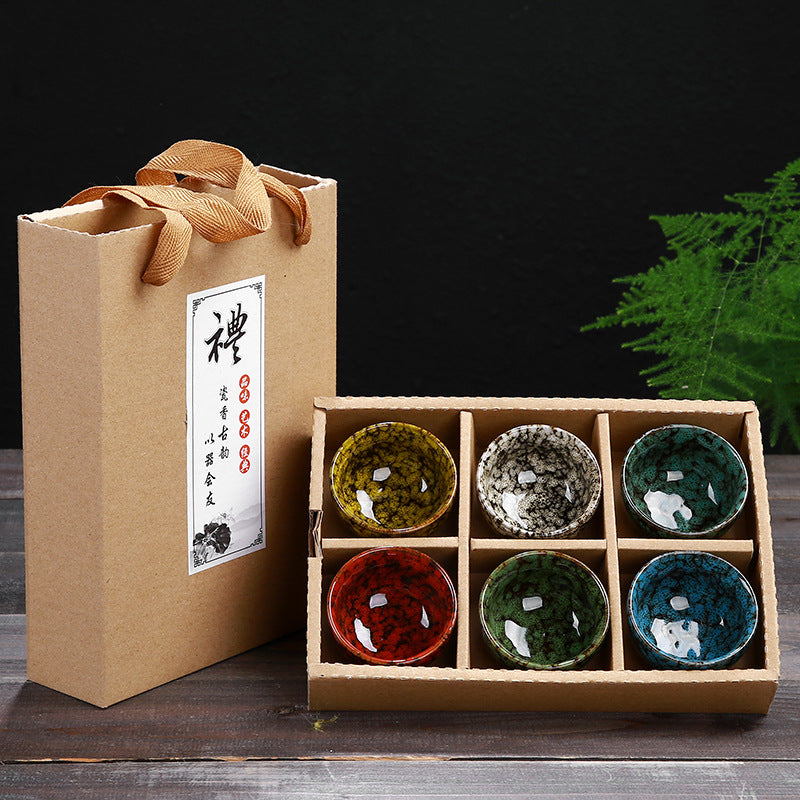
Top Picks for Travel-Friendly Teacups should match your routine and travel style. Choosing the right cup influences temperature, aroma, and convenience. Lightweight designs ease transport on trains and planes. Leak-resistant lids protect bags and electronics. Insulated walls preserve heat for longer commutes. Compact shapes fit cup holders and backpacks with ease. Good balance prevents wrist strain during long travel days. Materials affect flavor neutrality and durability over time. Consider capacity against refill frequency when selecting a model. Prioritize safe seals and easy cleaning for predictable daily use.
Why travel-friendly teacups matter for modern drinkers
Travel-friendly teacups combine function, aesthetics, and safety for on-the-go routines. Many commuters juggle work, transit, and short breaks. A reliable cup keeps beverages at preferred temperatures during those intervals. It also reduces waste from disposable containers. Choosing a travel-friendly cup supports hydration while maintaining flavor integrity. Practical features often include spill-proof lids and one-handed operation. Good teacups also minimize condensation and bag dampness. Ergonomic designs reduce hand fatigue on long walks. Investing in a quality travel cup delivers comfort and consistent beverage quality in transit.
Top Picks for Travel-Friendly Teacups: Materials and durability
Top Picks for Travel-Friendly Teacups must consider material performance under stress. Stainless steel offers robust durability and excellent insulation. Porcelain or ceramic liners preserve flavor neutrality but need careful handling. Double-walled borosilicate glass highlights color while resisting thermal shock. BPA-free plastics reduce weight but may retain odors over time. Silicone seals improve leak resistance and extend service life. Hard-wearing coatings prevent exterior scratches on metal cups. Consider dishwashing compatibility to simplify maintenance on trips. Selecting the right material balances weight, heat retention, and long-term flavor fidelity.
Compact designs and capacity considerations
Compact designs focus on fit, volume, and daily refill habits. Many travel cups range from 250 to 350 milliliters for commuter use. Smaller tasting cups serve tea samplers during short breaks. Larger insulated mugs work well for road trips and all-day outings. Consider the cup diameter for mouthfeel and aroma release. Narrow openings reduce spills and slow cooling. Wider rims may enhance sensory perception for specialty teas. Weight distribution affects comfort when held for long periods. Think about how often you will refill when picking capacity for travel.
Top Picks for Travel-Friendly Teacups: Heat retention and safety
Top Picks for Travel-Friendly Teacups need reliable heat performance and user protection. Vacuum-insulated stainless steel retains heat exceptionally well. Double-wall glass offers moderate heat retention with visible brew color. Ceramic cups require cozy sleeves to avoid burns on hand. Lids with secure locking mechanisms prevent accidental openings. Pressure-release valves protect against steam buildup on hot infusions. Non-slip bases improve stability on uneven surfaces. Test lids for leakage before packing with other items. Prioritizing safety reduces the risk of scalds and unwanted spills during movement.
Portability features: lids, handles, and closures
Lids and closures determine real-world portability and convenience. Twist lids often provide secure seals for long journeys. Flip-top lids may allow one-handed sipping during transit. Silicone gasket designs improve long-term leak resistance. Foldable or fixed handles aid carrying and prevent slippage. Collapsible cups save space in tight bags or pockets. Integrated filters work well for loose-leaf travel brewing. Choose models with easy-to-disassemble parts for thorough cleaning. Durable hardware and smooth mechanisms extend useful life and reduce maintenance headaches.
Top Picks for Travel-Friendly Teacups: Size and weight metrics
Top Picks for Travel-Friendly Teacups should balance ounces and grams for comfort. Lightweight stainless steel can weigh under 250 grams empty. Ceramic travel cups commonly range from 200 to 400 grams depending on build. Compact formats focus on 200–300 milliliter ranges for daily use. Larger insulated mugs often reach 500–700 milliliters for extended outings. Weight affects shoulder and hand strain on long treks. Measure your typical load and choose accordingly to match physical comfort. Remember that lids and sleeves add measurable weight and impact carrying decisions.
Care, cleaning, and maintenance on the road
Care routines keep travel cups sanitary and functional during long trips. Rinse cups immediately after use to prevent flavor buildup. Use soft brushes to clean narrow spouts and lid channels. Carrying a compact bottle brush works well in backpacks. For stainless steel, avoid bleach and harsh abrasives to preserve finish. Occasional deep cleans with baking soda remove odors and residue. Air-dry parts fully before reassembly to limit mold growth. Replace silicone gaskets when they show wear to maintain leak resistance. Regular maintenance supports both hygiene and longevity.
Travel scenarios and selecting the right cup
Different travel modes require different cup features and tolerances. Commuters on trains may value slim, tall cups that fit holders. Hikers prefer low-profile models with secure clips for backpacks. Air travelers should check cup size against airline carry rules. Road trippers might choose larger insulated mugs for long stretches. Urban explorers benefit from cups that handle frequent public refills. Weekend travelers need compact, versatile solutions that work in cafes. Match your cup to typical routes and daily activities for best outcomes.
Quick Picks and Buying Checklist
-
Insulated stainless steel with secure twist lid
-
Double-walled glass with protective sleeve
-
Ceramic travel cup with silicone sleeve
-
Collapsible silicone cup for space saving
-
Lightweight mug with one-handed lid operation
Quick Picks and Buying Checklist: How to decide and compare
Use the checklist to compare models side by side and fast. Start by testing leak resistance under mild pressure. Then evaluate heat retention with a filled, timed trial over one hour. Next, check assembly and disassembly ease for cleaning. Consider weight and how it feels during extended holding. Review compatibility with cup holders and backpack pockets. Account for aesthetic preferences while keeping practical features prioritized. Place ergonomics and safety above novelty extras when making a final purchase. This approach clarifies trade-offs and supports confident selections.
Capacity ranges by style
| Style | Capacity (ml) | Best Use | Notes |
| Compact Tasting Cup | 30–100 | Tea samplings | Great for brief tastings |
| Commuter Travel Cup | 250–350 | Daily commute | Fits most cup holders |
| Insulated Mug | 400–700 | All-day travel | Excellent heat retention |
| Collapsible Cup | 200–300 | Backpacking | Space-saving design |
Capacity Ranges by Style: Practical uses in travel
The table clarifies practical capacity choices for common travel scenarios. Small tasting cups emphasize aroma and brief sipping during tastings. Commuter cups reduce refill frequency while fitting holders. Insulated mugs focus on extended heat retention for long drives. Collapsible cups suit hikers who must conserve pack space. Match capacity to planned duration and access to refills. Balance headspace with strength to avoid overflow or too rapid cooling. Testing several volumes ensures ideal performance for your routines and preferences.
Selecting based on tea type and brewing method
Tea type dictates preferred cup and capacity in many cases. Delicate green teas often shine in smaller vessels. Oolong benefits from medium volumes and repeated short steeps. Black tea pairs well with larger mugs and milk additions. Puerh can be served in very small cups for concentrated tasting. Adjust capacity to match infusion cycles and aroma release. Consider built-in filters for loose-leaf travel brewing. Match cup shape to the tea’s bouquet for optimal sensory experience. Thoughtful pairing enhances both flavor and convenience.
Packing, storage, and transport tips
Pack travel cups with protective sleeves or cushioning to prevent chips. Use dedicated compartments to avoid contact with sharp objects. For lids and small parts, store them in sealed bags to prevent loss. Rinse and dry cups before packing to reduce odor risk. Consider a compact repair kit for silicone gaskets on extended trips. For multi-day journeys, carry a small bottle brush and quick-dry towel. Avoid stacking delicate ceramics with heavy items. These measures preserve both function and aesthetics on the road.
Top Picks for Travel-Friendly Teacups: Final recommendations
Top Picks for Travel-Friendly Teacups favor stainless steel for insulation and durability. Double-walled glass stands out for aesthetic enjoyment and color viewing. Collapsible silicone suits extreme space constraints and light travel. Ceramic liners suit those prioritizing flavor neutrality for delicate teas. Prioritize leak-proof lids, comfortable handles, and easy cleaning. Choose capacity based on refill frequency and typical journey length. Test models in real conditions before committing to a full set. Practical trials reveal hidden trade-offs and provide confidence in your final choice.
Frequently Asked Questions
What should I look for in a travel teacup to prevent leaks and spills?
Preventing leaks starts with lid design and gasket quality. Inspect lids for secure locking features and recessed seals. Twist-lock lids tend to resist pressure better than simple snap lids. Test any new cup by filling it and turning it upside down briefly. Check for micro-gaps around spouts and hinge points. Replace silicone gaskets at signs of wear to maintain performance. When packing, store cups upright whenever possible to reduce accidental opening. For loose-leaf brewing, use infuser systems that seal separately from the lid. Regular maintenance and pre-trip testing reduce the risk of leaks and unwanted spills.
Are insulated stainless steel cups safe for tea flavor and health?
Insulated stainless steel cups usually use food-grade 18/8 or 304 alloys. These alloys resist corrosion and do not leach metallic flavors under normal use. Inner liners designed for flavor neutrality avoid unwanted taste transfer. Avoid long-term storage of acidic beverages to preserve finish and flavors. Some models use inner ceramic or enamel coatings to enhance neutrality. Regular deep cleaning removes flavor residues and oils from repeated use. Replace cups showing pitting or corrosion to avoid contamination. Overall, high-quality stainless steel provides safe, neutral, and durable service for most tea types.
How do I clean complex lids and seals during travel without full tools?
Cleaning lids during travel requires simple tools and routines. Carry a small bottle brush designed for narrow spouts and channels. Rinse lids immediately after use to prevent residue build-up. Use warm water and mild soap to dislodge oils and tiny particles. For stubborn areas, soak lids briefly in hot water with baking soda. Air-dry parts fully before reassembly to prevent mold growth. Keep spare silicone gaskets in case of damage or loss. For quick trips, a folded paper towel and rinse can maintain hygiene until a thorough clean is possible. Consistent attention preserves functionality and flavor quality.
Share:
What Is the Ideal Size for a Teacup? Perfect Capacity Guide for Tea Lovers
Does the Color of a Teacup Affect the Taste of Tea?