


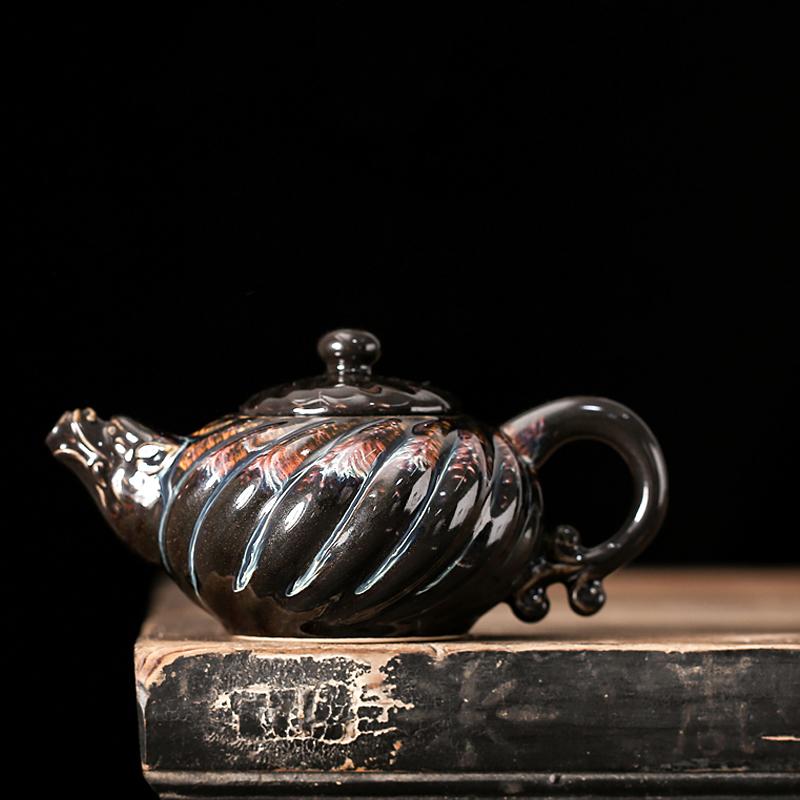
How to understand the truth and beauty of tea is a question many tea enthusiasts ask. Tea has been cherished for centuries for its health benefits, calming effects, and cultural value. It stimulates mental clarity while supporting overall wellness. Drinking tea can improve metabolism and enhance mood. Its subtle aromas and flavors contribute to a deeper sense of appreciation. This article explores tea’s historical significance, cultural practices, and health advantages. By engaging with tea, you connect with centuries of tradition while nurturing your mind and body.
The Cultural Significance of Tea
Tea has played a vital role in cultures around the world. In China, tea ceremonies symbolize respect and harmony. Japanese tea culture emphasizes mindfulness and elegance. In Europe, tea became a symbol of social sophistication. Traditional practices show how tea embodies truth and beauty in daily life. Each culture interprets tea uniquely, from preparation techniques to ceremonial etiquette. Engaging with these rituals allows individuals to experience more than flavor. It strengthens social bonds and promotes mindfulness. Tea culture continues to evolve while maintaining its core values.
Health Benefits: How Tea Supports Mind and Body
Tea contains antioxidants that combat oxidative stress and promote cellular health. Regular consumption may improve immune function and reduce inflammation. Green tea and oolong tea enhance metabolism, aiding weight management. Black tea and pu-erh support cardiovascular health. Tea also stimulates the mind by reducing stress and enhancing cognitive function. Consuming tea can improve alertness and calmness simultaneously. Its health benefits make it a beverage of choice for longevity enthusiasts worldwide.
Japanese Wisdom on Tea: Truth and Beauty
A Japanese proverb states, “If a man has no tea in his heart, he cannot understand truth and beauty.” This saying highlights tea’s symbolic importance beyond taste. Tea encourages patience, focus, and appreciation for life’s details. Ceremonial tea practices cultivate mindfulness and self-awareness. Serving tea with care reflects respect for both guests and tradition. Engaging fully with tea rituals can improve mental well-being. By appreciating tea’s aesthetic and functional qualities, individuals can connect with its philosophical roots.
Brewing Methods and Tips for Optimal Flavor
Tea preparation affects taste, aroma, and health benefits. Water temperature and steeping time are crucial. Green tea should be brewed at lower temperatures, around 80°C, to prevent bitterness. Oolong requires 90–95°C for optimal flavor. Black tea and pu-erh need near-boiling water. Leaf-to-water ratio influences strength and aroma. Steeping duration must balance flavor extraction and bitterness. Proper utensils, such as a gaiwan or teapot, enhance the experience. Consistency in brewing cultivates better taste and appreciation.
List of Popular Teas and Benefits
- Green tea: Antioxidant-rich, supports metabolism
- Oolong tea: Enhances energy and mental clarity
- Black tea: Boosts heart health, improves alertness
- Pu-erh tea: Aids digestion, promotes relaxation
- White tea: Reduces stress, supports immune system
Each type offers unique flavors and health benefits. Choosing a tea suited to your lifestyle maximizes enjoyment and wellness. Regular tea rituals encourage mindful pauses during the day, enhancing both mental and physical health.
Traditional Tea Practices Around the World
Tea ceremonies emphasize presentation, ritual, and respect. Chinese gongfu tea ceremonies focus on precision and steeping techniques. Japanese tea gatherings promote calmness and aesthetic appreciation. In India, chai rituals combine spices and herbs for both flavor and health. These practices highlight tea as more than a beverage; it is a cultural artifact. By participating in ceremonies, one engages all senses, gaining a holistic experience. Traditional methods preserve history while offering daily mindfulness.
How Tea Improves Mental Clarity
Caffeine and L-theanine in tea enhance alertness without jitters. Mental focus improves during work or study with regular tea breaks. Stress reduction comes from mindful sipping and appreciating aroma. Drinking tea can form a calming ritual that reduces anxiety. The combination of mental stimulation and relaxation creates clarity and balanced cognition. Long-term tea drinkers report enhanced focus and emotional resilience.
Tea and Social Connection
Serving tea fosters conversation and strengthens relationships. Tea parties and casual gatherings encourage sharing and mindfulness. Family traditions often include tea during holidays or celebrations. Offering tea signals hospitality and respect. Its social function is intertwined with cultural significance. Regular tea sharing promotes both emotional and physical well-being.
Tea Preparation Equipment
| Equipment | Use |
| Gaiwan | Brewing small leaf quantities |
| Teapot | Consistent infusion |
| Infuser | Loose leaf control |
| Tea tray | Organized preparation |
Proper equipment ensures better flavor extraction and aesthetic presentation. A gaiwan provides precision for small servings, while teapots offer consistency. Infusers help measure loose leaves accurately, and a tea tray maintains cleanliness. High-quality utensils enhance daily tea enjoyment.
Sustainability and Tea Sourcing
Ethical sourcing promotes both environmental and social responsibility. Organic tea reduces chemical exposure. Fair-trade tea ensures farmer livelihoods. Sustainable packaging minimizes environmental impact. Consumers increasingly prioritize these factors when purchasing tea. Supporting ethical tea production enhances global well-being.
Conclusion: Experiencing the Truth and Beauty of Tea
How to understand the truth and beauty of tea is achieved through mindful consumption. Tea combines flavor, culture, health, and philosophy. Engaging with tea rituals improves mental clarity and physical wellness. Social and cultural aspects enrich personal experiences. By choosing quality leaves and proper brewing methods, one can fully enjoy tea’s benefits. Tea represents harmony, patience, and beauty in daily life.
FAQ
1.What health benefits does regular tea consumption provide?
Regular tea consumption improves metabolism, enhances mental focus, and strengthens immunity. Green tea contains antioxidants that combat oxidative stress. Black tea supports heart health, while oolong boosts energy levels. Tea also promotes relaxation, reduces anxiety, and can aid digestion. Long-term consumption contributes to overall wellness, cognitive function, and longevity. By integrating tea into daily routines, individuals experience both physical and mental benefits without negative side effects.
2. How do different tea brewing methods affect flavor and health?
Brewing methods determine taste, aroma, and nutrient extraction. Water temperature and steeping duration influence bitterness and strength. A lower temperature suits green tea, preserving antioxidants, while near-boiling water enhances black tea flavor. Using proper utensils like gaiwans or teapots ensures consistency. Controlled leaf-to-water ratios optimize infusion. Correct preparation maximizes health benefits and enjoyment. Each type of tea requires unique brewing practices to maintain flavor integrity and promote well-being.
3. Why is tea considered a symbol of culture and mindfulness?
Tea is deeply connected to cultural rituals, mindfulness, and social bonding. In Japan, tea ceremonies emphasize calmness and aesthetic appreciation. Chinese gongfu practices highlight precision and respect. Indian chai traditions promote communal engagement. Mindful preparation and consumption encourage reflection, patience, and focus. Tea rituals foster connections with others and enhance personal well-being. The beverage embodies harmony, philosophy, and centuries of tradition, offering both mental clarity and emotional balance.
Share:
Why Are Rich People Paying $10K for a Pot of Tea?
Do You Know How Many Types of Tea There Are?