

Why are rich people paying $10K for a pot of tea? The cost is driven by scarcity, cultural heritage, and global demand. Da Hong Pao tea is valued beyond its flavor. It carries centuries of history and an aura of luxury. At $1,400 per gram, it surpasses gold in price. Collectors see it not only as a beverage but as a rare investment. Its reputation makes it a symbol of taste and wealth.
The Origins of Da Hong Pao Tea
Da Hong Pao comes from Wuyishan in China. The tea grows on rocky cliffs with unique minerals. This terroir creates its bold, roasted flavor and rare aroma. The most prized leaves come from ancient mother trees. These trees are nearly extinct, making each harvest more valuable. Rich buyers know they are purchasing a legacy as much as a product. The rarity explains why rich people are paying $10K for a pot of tea.

Why Are Rich People Paying $10K for a Pot of Tea from Mother Trees?
The answer lies in scarcity. Only a few mother bushes remain. The last official harvest was in 2005. Since then, no new leaves have been collected. What exists today is traded like fine art or vintage wine. Collectors store it with care, hoping its value will rise further. For tea lovers, a single sip connects them to centuries of culture. This emotional and historical value justifies the incredible price.
Luxury Market Demand and Status Symbol
Scarcity drives price, but demand sustains it. Rich collectors see tea as more than a drink. They use it to display cultural knowledge and taste. Owning a pot of Da Hong Pao offers prestige equal to owning rare wine or jewelry. Some even hire brokers to track down genuine leaves. Why are rich people paying $10K for a pot of tea? Because it is a sign of exclusivity. The tea becomes a conversation piece, an item of status, and a mark of refinement.
Historical Fascination with Rare Tea
Interest in Da Hong Pao is not new. In the 19th century, British merchants attempted to smuggle seeds to India. Their efforts failed. The unique geology of Wuyishan could not be replicated. That failure reinforced its reputation as irreplaceable. Rich people paying $10K for a pot of tea continue this long tradition of obsession. The rarity makes it even more tempting for those seeking cultural authenticity.
Reasons Why Da Hong Pao Is So Expensive
-
Limited harvest from ancient bushes
-
Unique mineral-rich soil in Wuyishan
-
High demand among global collectors
-
Cultural heritage value across centuries
-
Prestige associated with ownership
Why the List Matters for Tea Collectors
These points reveal why rich people are paying $10K for a pot of tea. Every factor adds to the price. Unlike common varieties, Da Hong Pao combines history, scarcity, and status. Buyers are not just purchasing leaves. They are buying heritage and investing in an object of cultural significance.
Comparing Da Hong Pao with Other Luxuries
| Luxury Item | Average Price | Rarity |
|---|---|---|
| Da Hong Pao Tea | $10,000 per pot | Extremely Rare |
| Gold | Widely Available | |
| Vintage Wine | $3,000 per bottle | Rare |
Why Luxury Comparisons Highlight the Value of Rare Tea
The chart shows that rich people paying $10K for a pot of tea are not irrational. Compared with wine or jewelry, Da Hong Pao offers similar prestige. Its scarcity makes it even more alluring. Collectors see it as liquid art, with cultural weight that surpasses ordinary luxuries.
Cultural Meaning of Da Hong Pao
Chinese culture often links tea with wisdom and balance. Da Hong Pao carries spiritual significance. Some describe it as having “the heart of the Buddha.” Drinking it is not only about taste but also connection to philosophy. For many, this symbolism makes each sip priceless. Why are rich people paying $10K for a pot of tea? Because it embodies values beyond material worth.
The Role of Collectors and Brokers
High demand creates a market of specialized tea brokers. These experts verify authenticity and negotiate prices. Collectors rely on them to secure small amounts of genuine leaves. Their role is similar to art dealers. This process reinforces exclusivity. Owning Da Hong Pao means joining an elite circle of connoisseurs.
Future Value of Rare Tea
The last harvest from mother trees occurred nearly 20 years ago. No new leaves will ever be collected. That makes existing leaves more precious with time. Some experts believe their value could exceed diamonds. Investors hold small quantities, hoping to resell later. This expectation drives price upward. The cycle ensures rich people will keep paying $10K for a pot of tea.
Tea Experience and Presentation
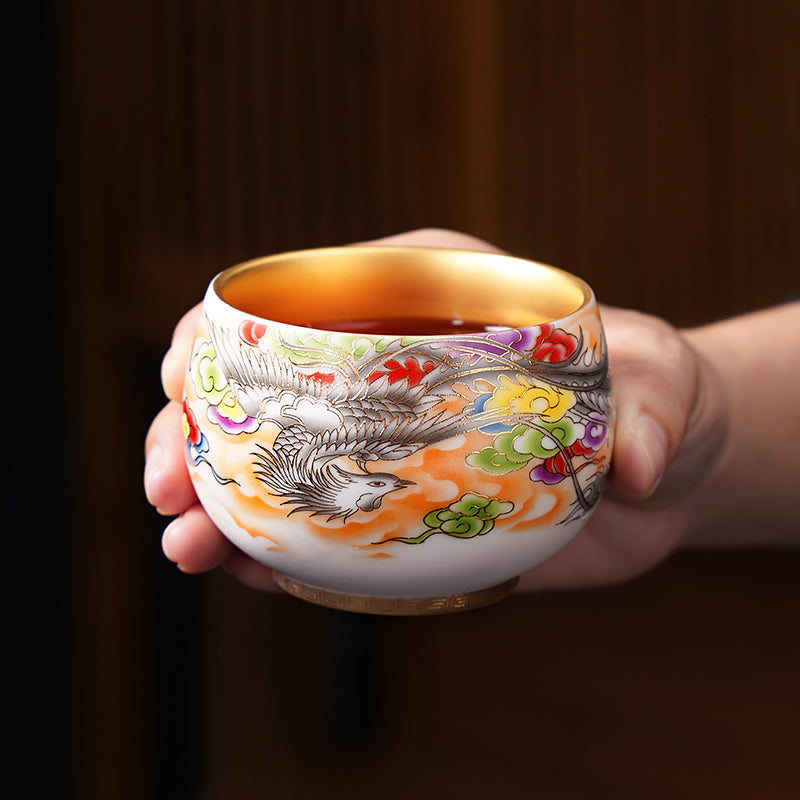
Drinking Da Hong Pao is more than consumption. Collectors often use handmade cups to heighten the ritual. A pot of rare tea served in an artisanal vessel creates an immersive experience. Fine Tenmoku teacups are often recommended for their craftsmanship. The right presentation emphasizes both rarity and elegance.
FAQ
Why are rich people paying $10K for a pot of tea instead of wine or spirits?
Rich people are paying $10K for a pot of tea because it offers more than taste. Wine and spirits provide flavor, but Da Hong Pao carries cultural weight and scarcity unmatched in beverages. A pot comes from mother trees that can no longer produce. This heritage adds timeless prestige. Collectors gain both status and investment potential. They own a part of history, something that wine cannot fully provide. The symbolism tied to tea culture makes it unique.
Is Da Hong Pao tea really worth $10K per pot?
Yes, Da Hong Pao tea is worth $10K per pot for collectors who value rarity. Its price reflects more than its flavor. The last mother tree harvest took place in 2005. No future production is possible. What remains circulates in elite markets only. Buyers are paying for scarcity, authenticity, and tradition. The value lies in cultural and spiritual importance. This context makes it far more than just a drink.
Can anyone buy Da Hong Pao tea, or is it only for the rich?
In theory, anyone can buy Da Hong Pao tea, but in practice, access is limited. The leaves are auctioned or brokered among wealthy collectors. Small quantities may surface, but prices are beyond reach for average consumers. The exclusivity is part of its appeal. Rich people paying $10K for a pot of tea maintain this elite circle. For most, enjoying high-quality but affordable Wuyishan oolong is the alternative. That way, tea culture remains accessible without the extreme cost.
Share:
What is Jian Zhan Tenmoku
How to Understand the Truth and Beauty of Tea?