


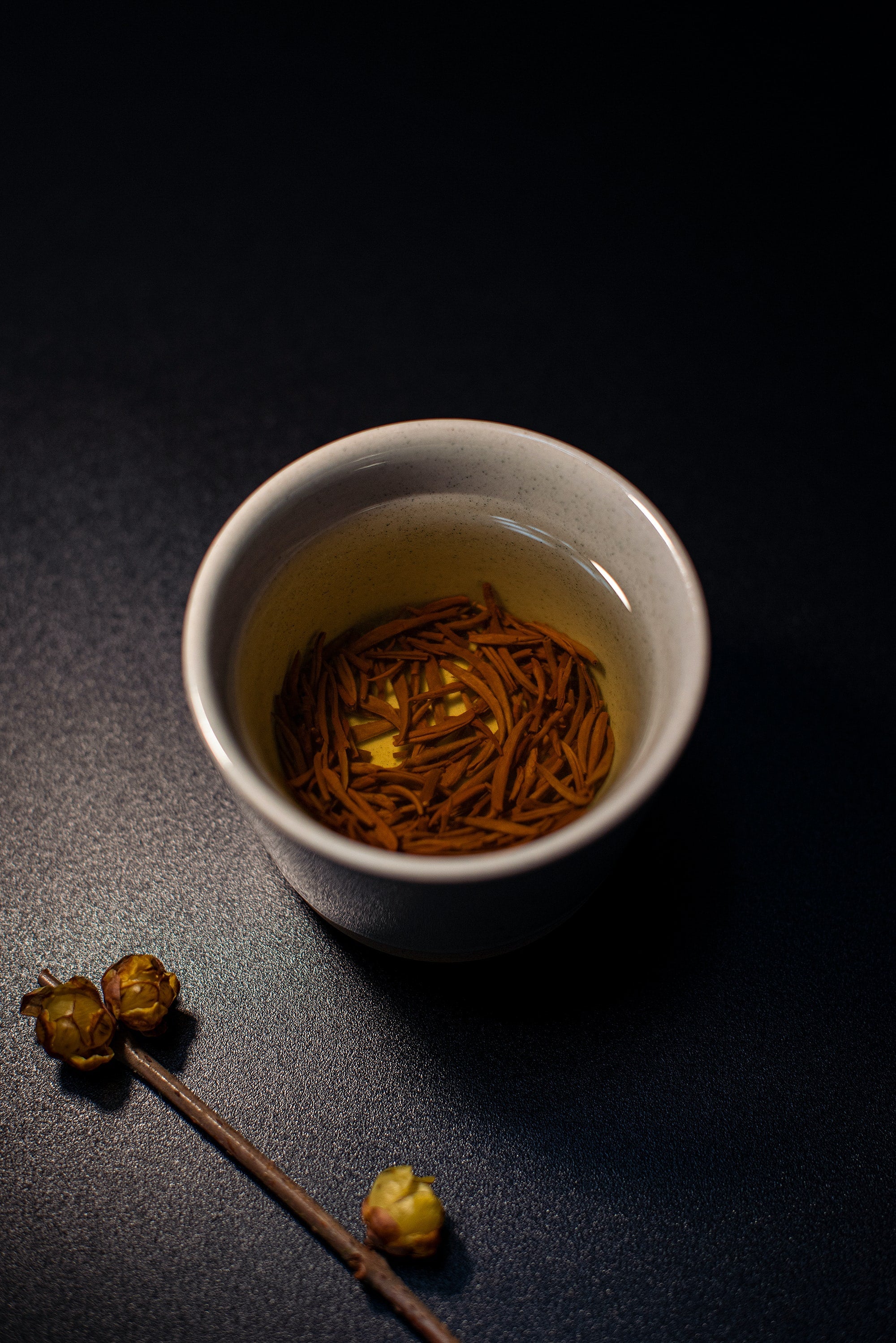
Tea stains in cups are annoying. They are also very common. There are many ways to get rid of them. You can easily get your cups clean again. Getting rid of stains is a simple process. The secret is to use the right method. This guide will show you how to remove tea stains from cups. You will learn simple and effective ways. These methods use items you have at home. Your favorite cup will be like new again.
Gentle Methods for Tea Stain Removal
If the tea stain is fresh, act fast. Flush the cup with cold water. You can also submerge it in water. This dilutes the stain. It helps remove the color from your cup. If you cannot remove the stain right away, just flush it. Use cold water until you can clean it. This simple step can prevent the stain from setting. It makes later cleaning much easier. A fresh stain is much simpler to clean than an old one. This is always the first thing you should try. Do not let the stain sit for too long.
Using Abrasives for Cleaning Tea Stains
You can use baking soda for this task. It is a natural abrasive. Place a small amount of baking soda inside the cup. Add just a little hot water. It should form a thick paste. Dip a clean cloth into the paste. Rub it on the stained area of your cup. The baking soda will scrub the surface. It will lift the tea marks away. You can use a soft sponge for this as well. This method is very safe for most cups. It will not damage the glaze. It is a very powerful way to clean.
You can also use regular table salt. Salt has abrasive particles. It helps lift stains off the surface. You can mix it with a bit of lemon juice. This creates a powerful cleaning paste. Apply this paste to the stain. Leave it for a couple of hours. Then, clean it off with water. The salt acts as a scrubber. The lemon juice acts as an acid. This combination is very effective. It can tackle even old, stubborn stains. Using salt is an easy solution.
Using Acids to Remove Tea Stains From Cups
Acids are great for stain removal. Citric acid is found in lemons. You can mix a paste of citric acid and salt. Leave it on the stain for a while. Then, clean the paste off with water. The acid breaks down the stain. It is a very powerful cleaner. You can also use white vinegar. Fill a large measuring cup with vinegar. Add three parts water. Pour this mixture into your stained cup. Let it soak for at least 30 minutes. The acid in the vinegar will break down the tea mark. This is a very simple method. It works wonders on stubborn stains.
You can use vinegar in a different way. You can add it to boiling water. Use this water to soak the cup. This can help with very tough stains. It makes the acid more active. The hot water and vinegar work together. They lift the stain from the cup. It is a very effective solution. This is great for stains that will not come out. You can also add a drop of detergent. Then rub the spot gently with a toothbrush. The toothbrush can reach all the small areas. It will make your cup perfectly clean.
The best way to remove tea stains from cups is with a toothbrush. Use a soft one. It is gentle on the surface. It can reach all parts of the cup. Just apply a little paste to the brush. Rub the spot gently. This method works for all types of stains. The toothbrush provides a gentle scrubbing action. It does not scratch the cup. It is perfect for getting a good result. You can then rinse the cup with clean water.
You can use a soft sponge. Just rub gently. This works for many tea stains. It is a good choice if you are worried about scratching. A soft sponge will not damage the glaze. It is good for light, fresh stains. For older stains, a harder sponge may be needed. Always be gentle when you rub. Do not press too hard on the cup.
Abrasive and Acidic Cleaners for Tea Stain Removal
Here is a list of items for cleaning your teacups. These are common household items. They can help with any stain. They can make your cups look new.
-
Baking Soda: A gentle abrasive powder.
-
Salt: An abrasive agent for scrubbing.
-
Vinegar: A strong, natural acid.
-
Lemon Juice: A natural source of citric acid.
-
Hydrogen Peroxide: A powerful bleaching agent.
Using these items is easy. They are safe for most cups. They are effective against stains. They take the guesswork out of cleaning. You can use them to create a perfect cleaning solution. They are simple but very powerful. A good cleaning solution will make your life easier. It will keep your cups sparkling clean.
| Method | Active Ingredient | Stain Type | Time Required |
|---|---|---|---|
| Baking Soda Paste | Baking Soda | Light, fresh stains | 10-15 minutes |
| Salt & Lemon | Salt, Citric Acid | Medium, older stains | 1-2 hours |
| Vinegar Soak | Acetic Acid | Stubborn, set-in stains | 30+ minutes |
| Hydrogen Peroxide Soak | Hydrogen Peroxide | Very stubborn stains | Overnight |
This table shows different methods. It helps you choose the right one. Baking soda works for light stains. Salt and lemon work for older stains. Vinegar is good for very stubborn ones. Hydrogen peroxide is for the toughest marks. The table provides a clear guide. It helps you find the right solution. It helps you get the best result. You can choose the right method for your specific need. This helps you get your cups perfectly clean.
A lot of people think their cups are ruined. They see a brown stain and give up. But these stains are not permanent. They are not hard to remove. You just need to have the right information. You can use simple items from your kitchen. You can use them to make a perfect cleaner. You do not need to buy special products. These simple tricks will make your life easier. They will also save you money in the long run.
The next time you see a tea mark, do not despair. It is very easy to fix. The first step is to act fast. Use cold water right away. The second step is to use one of these methods. Choose the right method for your stain. Your cups will look new again. You can use a toothbrush for gentle scrubbing. A sponge is also a good option. The goal is to be gentle but effective. Always use caution on delicate items.
It is important to clean your cups often. This will prevent stains from building up. If you clean them after every use, you will never see a stain. Just a quick rinse with warm water and soap is enough. But for old stains, you must be more active. You should use a dedicated cleaning method. You must be patient. A stubborn stain might take a few tries. But it will come out.
Frequently Asked Questions
1. What is the science behind tea stains and why are they so difficult to remove from cups?
The science behind tea stains is quite interesting. Tea leaves contain compounds called tannins. Tannins are polyphenols. They give tea its color and flavor. When you drink tea, these tannins react with the minerals in water. They also react with the surface of your cup. This reaction causes them to bind to the cup. It creates a dark, sticky film. Over time, this film builds up. It becomes a brown or dark ring. The longer the stain sits, the more it sets. This makes the stain harder to remove. This is why immediate cleaning is best. The tannins have not yet set. This is also why cold water is recommended. Hot water can make the tannins bond more strongly. The chemical bond is what makes them stubborn. To remove them, you need to break this bond. You can use acids or abrasives. Acids like vinegar or lemon juice break the bond. Abrasives like baking soda physically scrub the stain off. This is why these methods are so effective.
2. Is there a difference in how to remove tea stains from cups made of different materials like ceramic, porcelain, or glass?
There is a slight difference. The method you use depends on the cup material. For most ceramic and porcelain cups, all methods are safe. These materials are very durable. They have a hard, non-porous glaze. The glaze protects the surface. You can use baking soda or salt. You can also use vinegar or lemon juice. They will not damage the cup. For glass cups, you should be careful. Glass is very smooth. Abrasive cleaners can leave tiny scratches. These scratches can make the glass look cloudy. They can also trap more stains later. It is best to use a chemical method for glass. Use vinegar, lemon juice, or even a diluted bleach solution. Avoid scrubbing too hard. For stainless steel cups, you can use baking soda. It is very effective on metal. A paste of baking soda and water works well. Always rinse the cup completely. This ensures no cleaner is left.
3. What can I do to prevent tea stains from forming in my cups in the first place, and is it possible to permanently get rid of them?
Prevention is the best method. It is much easier than cleaning. You should rinse your cup after every use. Use hot water and a bit of dish soap. This removes the tannins before they set. If you cannot wash it right away, just rinse it. A quick rinse with cold water is enough. This will stop the stain from setting. For permanent prevention, you can also use a cup with a non-porous surface. A high-quality porcelain or glass cup is a good choice. They are less likely to hold stains. It is possible to get rid of tea stains permanently. A tea stain is not a dye. It is a buildup of tannins. You can remove all of the tannins. This makes the stain disappear. You can use a strong cleaning solution. A solution of vinegar or baking soda works. For very tough stains, a soak is needed. You can soak the cup overnight. The stain will be gone in the morning.
Share:
Best Gift For Elderly Parents
How Much Caffeine in A Cup of Tea?