

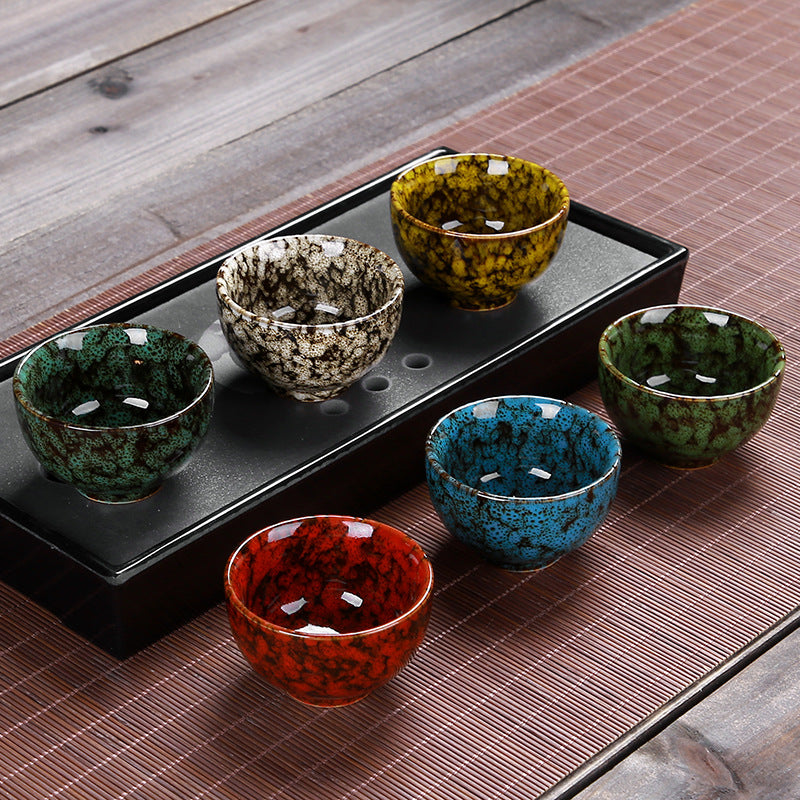
How to Pair Teacups with Teapots Properly starts with purpose, tea type, and ritual. Match vessel function to the tea you brew most often. Think about heat retention, mouthfeel, and serving style before pairing. Practical tests reveal whether a set supports aroma and flavor. Small tasting cups suit multiple short infusions and precise control. Larger cups fit leisurely sipping and milder brews. Consider how a teapot and teacup interact thermally during pouring. Pay attention to rim profile and lip comfort for daily use. Good pairs ease service and deepen sensory focus. Aim for harmony in material, scale, and visual tone across service pieces.
How to Pair Teacups with Teapots Properly: Core Principles
How to Pair Teacups with Teapots Properly rests on three core principles. First, align thermal retention between pot and cup to avoid quick cooling. Second, match rim and spout geometry for clean pours and proper dribble control. Third, respect capacity relationships so infusion dynamics remain consistent. Practical pairing uses the smallest cup that still presents aroma effectively. Visual harmony matters but should not trump function. Test pours using water before brewing to check flow and balance. Adjust variables such as leaf weight and steep time when you change cup size. Keep notes to refine pairings over several sessions and select what performs best.
How to Pair Teacups with Teapots Properly: Materials and Thermal Match
How to Pair Teacups with Teapots Properly demands attention to material behavior. Porcelain transfers heat quickly and offers crisp mouthfeel. Stoneware and clay retain heat long and suit multiple infusions. Glass highlights color and clarity while cooling at a moderate rate. Yixing clay gradually seasons and works best with repeated single-tea pairing. Consider double-walled vessels for insulated service when needed. Match cup wall thickness to the teapot wall for consistent temperature change. If a teapot releases heat slowly, avoid ultra-thin cups that strip warmth. Practical pairing balances heat loss against infusion strength and serving speed for reliable results.
How to Pair Teacups with Teapots Properly: Aesthetic and Ritual Balance
How to Pair Teacups with Teapots Properly also involves visual and ritual logic. Simple, thin-rimmed cups suit meditative Japanese service styles. Ornaments and painted surfaces enhance formal Chinese banquet service. Match motif, glaze tone, and texture for cohesive presentation. Small differences in color or pattern should feel intentional, not accidental. Consider cultural context when serving guests from diverse backgrounds. Ritual pairing respects both function and ceremony. Mixing stark modern pots with ornate cups can work if you intend contrast. Still, most tea practitioners prefer coherence that supports tea type and occasion.
How to Pair Teacups with Teapots Properly: Size, Capacity, and Brewing Rhythm
How to Pair Teacups with Teapots Properly depends on capacity matching and brewing rhythm. Gongfu brewing favors 30–80 ml cups with small pots for repeated infusions. Western-style cups and larger teapots suit 150–300 ml servings and slower sipping. For delicate green teas, smaller cups help keep water cooler. Heavier black teas tolerate larger volumes and higher temperatures. Adjust leaf-to-water ratios when you move between cup sizes. Consider the number of guests and refill logistics when selecting set sizes. Practical service flows better when cup volume and teapot capacity align with infusion planning.
Matching Clay, Glaze, and Seasoning
Match clay and glaze to the tea family for best results. Unglazed zisha clays absorb oils and season with repeated use. Porcelain resists flavor transfer and suits delicate teas. Glaze color does not affect taste, but glaze composition affects thermal behavior and feel. A well-seasoned clay teapot deepens complex flavors over months. For multi-tea households, reserve specific clay pots for single tea families. Test new teaware with a few controlled steeps to gauge reaction. Take notes on aroma, mouthfeel, and aftertaste as you season vessels. Over time, material choices reveal their ideal pairings through direct brewing practice.
Spout, Handle, Lip and Pour Dynamics
Spout geometry defines pour speed and stream shape, affecting leaf movement. A long, narrow spout yields a thinner stream suited for small cups. Wide, rounded spouts deliver greater volume quickly for larger service. Handle position and balance influence steady pouring and wrist comfort. Rim profile and lip thickness shape mouthfeel and sip rate. When combining pots and cups, pour water into an empty cup to test flow. Observe whether liquid hits the cup center or edges, and adjust angle accordingly. Clean, precise pours reduce drips and improve guest experience. Prioritize ergonomics alongside aesthetics for daily use.
Practical Pairing Rules
-
Match cup capacity to pot volume for consistent extraction.
-
Align material heat retention between pot and cup.
-
Test spout stream against empty cups before brewing.
-
Choose thin rims for delicate teas, thicker rims for casual mugs.
-
Reserve porous clay pots for one tea family only.
-
Check balance and handle ergonomics with trial pours.
Interpreting the Practical Pairing Rules for Real Use
These rules convert into simple tests in the tea room. First, weigh leaves and start with a recommended ratio to see extraction balance. Next, pour hot water to test stream direction and heat transfer. Adjust cup-to-pot ratio if the brew cools too fast. For new teaware, run three trial infusions before serving guests. Keep a small notebook of settings for each pot and cup. Over weeks, you will refine preferred combinations that match both tea and ritual. The rules above help you standardize pairings that produce consistent results every time.
Comparative Table of Typical Pairings
| Tea Type | Typical Pot | Typical Cup |
| Green | Porcelain kyusu | Thin porcelain cup 30–80 ml |
| Oolong | Yixing or clay pot | Small clay or porcelain cup 50–100 ml |
| Puerh | Heavier clay pot | Small tasting cup 30–60 ml |
| Black | Stoneware or porcelain | Larger cup 120–240 ml |
How to Use the Comparative Table in Brewing Practice
The table gives starting points for pairing decisions. Use the listed pot and cup types as a baseline. Then adjust based on leaf grade and personal taste. For example, try a slightly smaller cup if aroma fades quickly. Increase cup size for milder morning service if needed. Note that local water hardness alters perceived strength. Experiment systematically by changing one variable per session. This method clarifies which pairings highlight desired notes. Over time, the table becomes a practical reference rather than a rigid rulebook.
Care, Storage, and Maintenance Considerations
Proper care preserves pairing performance over time. Rinse clay pots only with warm water to maintain seasoning. Use soft cloths for glazed porcelain to avoid scratches. Store sets away from strong odors and sunlight to prevent fading. Replace silicone seals and cork trivets as they wear. For glass, avoid sudden temperature shocks to prevent cracking. Periodic deep cleans remove oils and residue that alter flavor. Label pots intended for single tea families to prevent cross-flavor contamination. Consistent maintenance keeps form, function, and flavor aligned for every pairing.
Where to Buy and How to Test Pairs
Shop from trusted shops or reputable makers when possible. Ask sellers about clay origin, firing temperature, and glaze composition. Handle pieces before purchase to assess weight and lip feel. Request test pours or short brewing trials when stores allow it. If buying online, order a single set to verify fit and function before scaling. Keep records of SKU, supplier, and settings that worked. For valuable pieces, request provenance and artisan notes. Testing under real service conditions reveals whether a pair fits daily needs or special ceremonies.
Common Mistakes and How to Avoid Them
Common pairing errors include mismatched heat retention and oversized cups for concentrated teas. Another frequent mistake is using porous clay for multiple unrelated teas. That practice leads to confusing flavor bleed. Some drinkers pick teaware solely for appearance and ignore ergonomics. To avoid trouble, perform hands-on pour tests and short brew trials. Keep simple metrics like steep times and leaf weights in a log. Replace or segregate pots that show flavor memory. These steps prevent frustrating service and preserve clarity of taste.
Final Takeaways and Action Steps
Match thermals, scale, and mouthfeel first when pairing teacup and teapot. Prioritize function, then refine aesthetic coherence. Run practical tests with water and with tea before serving guests. Keep notes and standardize successful combinations for consistent results. Reserve porous clay for single tea families to build seasoning benefits. Replace worn parts and protect delicate rims with soft storage. Small adjustments compound into reliable rituals that enhance aroma and flavor. Regular practice turns pairing theory into dependable, repeatable service.
Frequently Asked Questions
What is the quickest test to know whether a teacup and teapot pair works?
A quick test uses plain hot water and an empty cup to assess pour and heat. First, fill the teapot and pour into the teacup as you would during service. Observe the stream shape and where water lands in the cup. Note whether the cup center or the rim receives the flow. Check the cup’s initial surface temperature to estimate heat retention. If the stream splashes or dribbles, adjust pot angle or cup placement. Finally, let the water cool slightly and feel the cup lip for mouth comfort. This short routine reveals flow and temperature behavior for real pairing decisions.
How should I pair a new Yixing pot with my existing teacup collection?
Pair Yixing pots with cups that match thermal and visual character. Yixing holds heat and seasons with repeated use. Select cups with similar heat retention to avoid rapid cooling after pouring. Unglazed clay or thick-walled porcelain cups pair well for balanced temperature. Avoid ultra-thin glass cups unless you only serve small, immediate pours. Test one batch of brews and record aroma changes across infusions. Reserve the Yixing pot for one tea family to optimize seasoning benefits. With deliberate trialing, you will identify the cup that enhances both mouthfeel and lasting flavor memory.
Can aesthetic contrast work when pairing teacups with teapots properly?
Aesthetic contrast can succeed when intentionally planned. Contrast works best if functional match is sound first. Pair a rustic clay pot with a modern porcelain cup only if thermal behavior aligns. Use contrast to highlight ceremony or to create a focal display. When mixing styles, keep one visual element consistent, such as rim tone or handle shape. Test pours and brief brews to ensure flavor clarity remains intact despite visual contrast. Thoughtful contrasts create memorable service while still honoring technical pairing principles.
Share:
Modern Minimalist Teacup Design Trends
A Collector’s Guide to Teacups: Which Are Worth Buying?