

A Collector’s Guide to Teacups: Which Are Worth Buying? serves as the keyword anchor for this piece. Collectors who read on will gain practical appraisal skills and selection criteria. The focus stays on provenance, material, maker marks, and condition. Each teacup tells a story through glaze, chip patterns, and firing anomalies. Serious buyers often test thermal response and lip feel before purchasing. Online auctions, estate sales, and specialist dealers remain primary sources. Rarity and documented provenance typically drive long-term value. Practical steps in this guide move collectors from impulse buys to intentional acquisitions. Balanced collecting also values daily usability alongside investment potential.
A Collector’s Guide to Teacups: Why Material Matters
A Collector’s Guide to Teacups: Why Material Matters explains how clay and firing change both look and value. Porcelain often delivers translucence and fine painting, which collectors prize. Bone china shows a warm glow at the rim under light, signaling quality. Stoneware and earthenware offer rustic textures and rugged appeal for casual display. Some clays age by absorbing oils, which can deepen flavor for seasoned users. Thermal behavior matters when brewing, and collectors who test cups can assess tactile comfort. Material also dictates conservation approaches, including humidity and packing. Understanding material science helps buyers match teacups to both display and practical use.
A Collector’s Guide to Teacups: Assessing Authenticity and Provenance
A Collector’s Guide to Teacups: Assessing Authenticity and Provenance focuses on verifying history and maker lineage. Look for kiln stamps, potter signatures, or registry numbers when available. Provenance paperwork, receipts, and prior auction listings add traceability. Scientific testing, such as thermoluminescence or glaze analysis, helps on high-value pieces. Trusted dealers provide condition reports and return policies as part of selling. Photographic records of prior ownership strengthen authenticity claims. When uncertain, consult independent appraisers specializing in ceramics. Verified provenance often multiplies collectible value and reduces legal or ethical risks in acquisition.
A Collector’s Guide to Teacups: Sought-After Styles and Makers
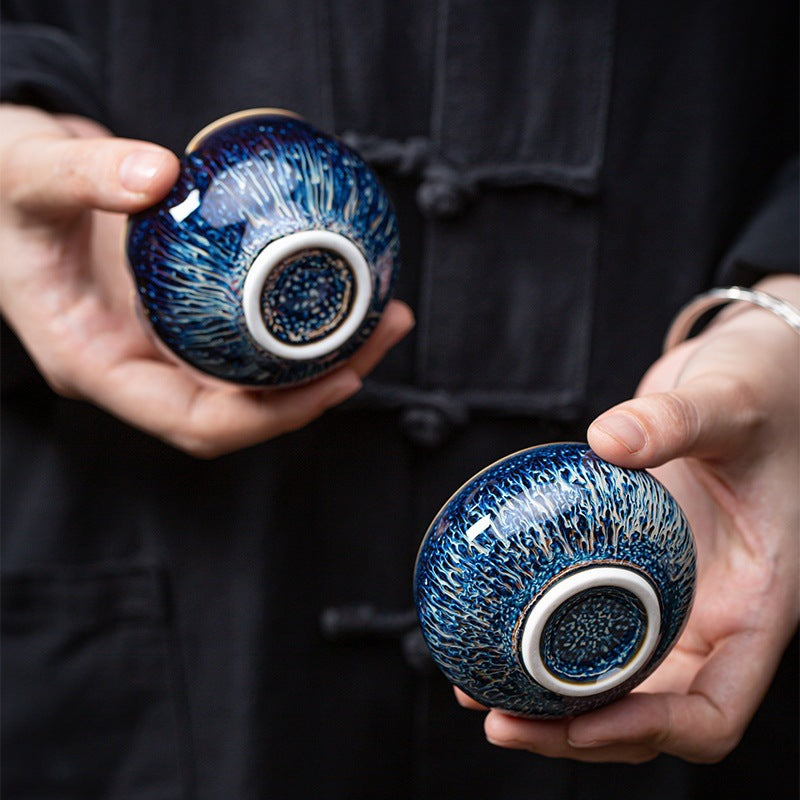
A Collector’s Guide to Teacups: Sought-After Styles and Makers highlights names and styles that command attention. Jingdezhen porcelain remains famed for thin-walled, painted ware. Yixing zisha clay teapots and related cups perform as both utility and collectible art. JianZhan Tenmoku cups attract collectors who value oil-spot and hare’s fur glazes. European makers, such as Meissen or Royal Worcester, maintain strong markets for painted scenes and gilding. Modern studio potters can also create high-demand limited runs. Familiarity with specific hallmarks and kiln periods helps collectors spot worthy buys in mixed lots.
Porcelain, Bone China, and Stoneware — Material Profiles
Porcelain, bone china, and stoneware differ in firing, clay composition, and visual character. Porcelain uses kaolin and fires at high temperatures for durable translucence. Bone china mixes bone ash for lightness and a warm rim glow. Stoneware fires at intermediate temperatures and often shows iron speckling. Each profile responds differently to dyes, handpainted decoration, and gilding. Buyers should note thermal shock resistance; some porcelain withstands rapid temperature changes well. Surface crazing or glaze crackle may add aesthetic value when stable. Comparing material traits clarifies which cups suit display, daily tea, or resale investment.
Yixing, JianZhan Tenmoku, and Regional Specialties
Regional specialties deliver both cultural depth and collectible appeal. Yixing clay develops seasoning that enhances tea aroma across years of use. JianZhan Tenmoku bowls and cups provide a dramatic dark glaze prized for tea tasting. Kutani, Satsuma, and Arita pieces from Japan add distinctive painting styles and historical context. Regional kiln techniques create identifiable firing marks and color palettes. Collectors who desire authenticity often study regional firing ranges and clay inclusions. These local details enrich provenance documentation and often guide premium pricing in auctions and private sales.
Condition, Repairs, and Restoration Considerations
Condition heavily influences collectible value beyond provenance and maker. Hairline cracks, chips, and restoration reduce market prices, but skilled restoration can stabilize a piece. Always ask for restoration reports and close-up images before bidding. Repaired teacups may still suit display, but they rarely appeal to purist collectors. Surface wear, such as glaze wear or gilding loss, sometimes forms part of historical patina. Buyers should weigh aesthetic integrity against rarity when deciding on purchase. For insured and high-value acquisitions, request independent condition assessments and documented conservation history.
Pricing Signals, Marketplaces, and Auction Behavior
Pricing reflects demand, supply, and venue reliability more than absolute rarity. Auction houses often set benchmarks through realized prices and sale catalogs. Online marketplaces can offer bargains, but provenance may be weaker. Specialist dealers provide vetted lots and often hold return windows for high-value sales. Seasonality affects demand for certain motifs, such as florals in spring. For new collectors, tracking auction archives builds pricing intuition. Negotiation strategies include lot bundling and conditional offers contingent on third-party inspections. Clear communication about terms prevents post-sale disputes.
List of Practical Buying Criteria for Collectors
-
Confirm maker marks and kiln origin when possible
-
Inspect rim, lip, and base for chips and repairs
-
Check for true translucence on porcelain against light
-
Test weight and balance to assess handling comfort
-
Verify documentation, photos, and prior sale records
Interpreting the Buying Criteria for Confident Choices
The list above helps collectors prioritize inspection points and negotiate from evidence. Maker marks and kiln origin anchor provenance and often predict stylistic features. Rim and base inspection reveal hidden cracks or hairlines that auctions may miss. Translucence testing offers a quick material check for porcelain quality. Weight and balance matter for daily utility and ergonomic comfort when brewing. Documentation reduces uncertainty, supports valuation, and accelerates reselling. Together, these criteria shift buying from instinct to evidence-based decision-making, preserving both enjoyment and long-term value.
Comparative Table of Teacup Types and Collector Uses
| Type | Typical Traits | Collector Use |
| Porcelain | Translucent, painted, delicate | Display, investment |
| Bone China | Warm rim glow, refined | Dining and formal sets |
| Yixing | Unglazed clay, seasons tea | Gongfu practice, collection |
| JianZhan Tenmoku | Dark glaze, oil-spot effects | Tasting, connoisseur pieces |
How to Use the Comparative Table in Buying
The table clarifies which teacup types align with collector goals and daily practice. Porcelain favors display and long-term appreciation through craftsmanship. Bone china suits formal service and refined presentation. Yixing pieces excel for hands-on tea practice and sensory development. JianZhan Tenmoku appeals to tasters who prize glaze complexity and tactile contrast. Use the table to map acquisition priorities across your budget and intended use. Combining one display piece with one utility cup creates both visual variety and practical enjoyment in a modest collection.
How to Store, Display, and Care for Valuable Teacups
Store teacups on padded shelving or in archival boxes away from direct sunlight. Rotate displayed pieces periodically to avoid uneven UV exposure. Use acid-free tissue between stacked cups to prevent abrasion. For Yixing, avoid detergents that strip seasoning; rinse with hot water only. Porcelain and gilded surfaces benefit from gentle, pH-neutral cleaning. Maintain stable humidity to reduce crazing risk in high-humidity climates. Label storage with provenance details and acquisition dates for insurance purposes. These small habits lengthen the life of both fragile and robust teacups while protecting value.
Building a Balanced Collection Over Time
Start with a focused theme or region to build expertise and coherence. Allocate budget across display and utility categories to balance enjoyment and investment. Record each purchase with photos, receipts, and condition notes. Attend local auctions or fairs to practice bidding and evaluate provenance firsthand. Network with other collectors and join specialist forums for alerts and insight. Rebalance the collection annually, selling duplicates or lower-priority items. Over time, careful curation produces both a meaningful trove and a track record that supports valuation and legacy planning.
Final Notes: Where to Start and What to Track
Begin with modest purchases that teach you to appraise clay, glaze, and maker marks. Track realized auction prices and condition-adjusted outcomes. Maintain a spreadsheet for provenance, condition, purchase price, and market notes. Consider insurance for high-value pieces and professional photography for documentation. Join a local or online collector community to exchange observations and warnings. Above all, prioritize pieces that bring daily pleasure while offering future resale potential. Thoughtful collecting yields cultural connection, aesthetic satisfaction, and enduring value.
Frequently Asked Questions
What should a new collector look for first when evaluating a teacup?
New collectors should begin by examining maker marks and base signatures. These provide immediate clues about origin and era. Next, check the rim and base for hairline cracks and chips using raking light. Porcelain translucence offers a quick material test when held near light. Weight and balance matter for daily use and should be handled before purchase. Request provenance documentation and past sale records for higher-value lots. When possible, seek a short return window or conditional offer. Building these habits reduces risk and accelerates confidence in buying decisions.
How can I tell an authentic JianZhan Tenmoku or Yixing piece from a reproduction?
Authenticating JianZhan Tenmoku or Yixing requires attention to clay, glaze, and firing details. Yixing often shows fine, granular zisha clay and a dry, unglazed surface that warms in hand. Genuine JianZhan Tenmoku glazes produce oil-spot or hare’s fur effects with depth and subtle metallic shimmer. Compare suspected pieces to verified museum examples or auction records. Scientific tests such as XRF for elemental profiles can aid verification when value justifies cost. Trusted dealers and independent experts provide authentication services for high-ticket pieces. Documentation and provenance remain the most practical safeguards for serious buyers.
Is teacup collecting a good investment compared to other collectibles?
Teacup collecting can offer solid returns when focused on rarity, provenance, and condition. Market performance varies across styles and makers, with certain porcelain and regional kiln pieces appreciating consistently. Unlike stocks, ceramics deliver aesthetic utility while potentially increasing in monetary worth. Liquidity depends on market interest, auction visibility, and documentation quality. Long-term appreciation favors entries with clear provenance and limited supply. Collectors who combine enjoyment with methodical record-keeping often outperform casual buyers. Diversifying across materials and makers reduces concentration risk while preserving collecting pleasure.
Share:
How to Pair Teacups with Teapots Properly
Jianzhan teacup glaze types: Hare’s Fur, Oil-Spot, Partridge Spot