

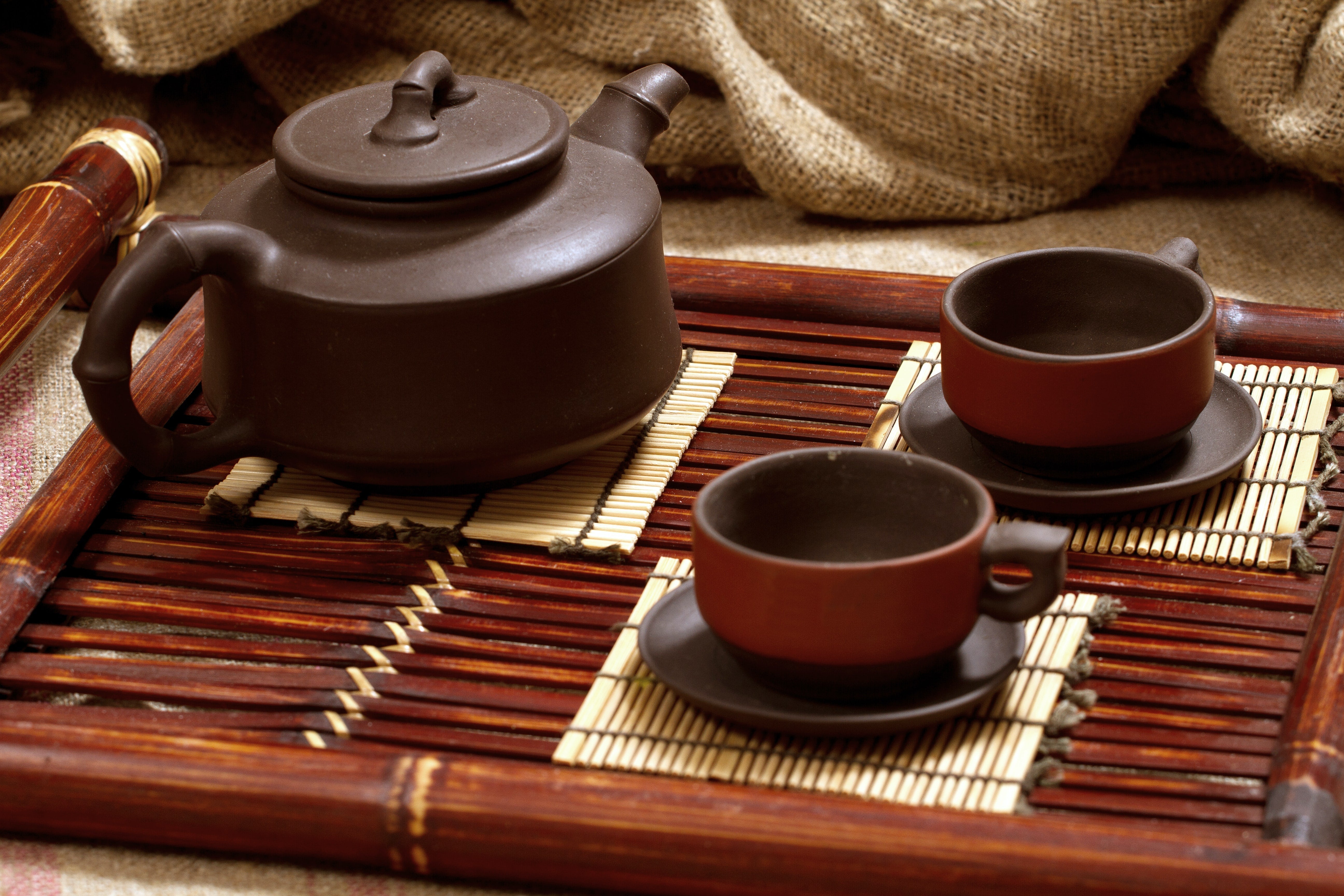
Teacups for oolong tea need choices that respect aroma and texture. Matching cup form to infusion style sharpens flavor clarity and enjoyment. Oolong spans lightly oxidized to heavily roasted types, each demanding different heat behavior. Choosing the right vessel converts good leaves into great cups. Experienced tasters value rim feel, cup wall thickness, and capacity as much as glaze tone. Practical testing in real pours reveals subtle differences that photos cannot show. For this reason, every buyer should consider material, finish, and mouthfeel before committing to a set. Clear priorities reduce returns and increase daily satisfaction with each steep.
Materials and thermal behavior
Teacups for oolong tea perform differently depending on material and wall thickness. Porcelain transfers heat quickly and cools at a steady pace. Thin-walled porcelain highlights floral and high-note aromatics of fresh oolongs. Yixing zisha clay retains heat and suits multiple short infusions for richer, roasted oolongs. Stoneware balances heat retention and tactile weight for medium-bodied varieties. Double-walled glass displays liquor color while moderating surface heat. Each material interacts with infusion kinetics in its own way. When sampling cups, note how long the liquid stays warm and how the rim feels on the lip. That experience often guides repeat purchases more reliably than aesthetic appeal alone.
Teacups for oolong tea: Shape, rim and mouthfeel matters
Teacup shape and rim profile shape the sipping experience and perceived texture. Narrow rims concentrate aroma and direct tea onto a focused part of the tongue. Wider rims allow air to mix with aroma for a softer impression. Tapered profiles slow pour speed and enhance tactile control during sipping. Lip thickness influences perceived smoothness; thin rims often feel more refined. Cup depth affects headspace and aroma lift during short infusions. Small tasting cups work well for gongfu sessions, while medium cups suit Western-style steeping. Try several shapes with the same tea to sense differences before committing to a larger set.
Top picks and maker notes
Teacups for oolong tea often include thin porcelain cups for high-rolled oolongs and Yixing for richer styles. Japanese thin-walled porcelain captures delicate floral notes well. Yixing teawares absorb and concentrate flavor across repeated use, ideal for fuller-bodied oolongs. JianZhan Tenmoku cups add dramatic contrast for dark liquors, accentuating mouthfeel. Glass tasting cups help evaluate color and clarity during cuppings. Studio potters produce limited runs that combine ergonomic comfort with unique glazes. Buyers seeking long-term value often prefer pieces from reputable kilns with documented provenance. Test samples to confirm how a maker’s finishing methods complement your favorite oolong types.
Matching teacup capacity to oolong brewing styles
Choosing teacup capacity depends on infusion method and drinking pace. Gongfu practice favors very small cups, often 30 to 70 milliliters, for concentrated extraction and rapid tasting. Western steeping tends to use medium cups around 120 to 180 milliliters for single, leisurely pours. For shared tasting or flights, multiple small cups allow a sequence of infusions without overcooling. Larger mugs reduce aroma concentration and may dilute subtle notes. Consider cup-to-teapot proportions to maintain ideal steeping ratios. Matching capacity to ritual preserves both flavor fidelity and social function during shared sessions.
Surface, glaze and seasoning: how they affect flavor
The interaction between glaze and tea liquor affects perception more than many buyers expect. Unglazed Yixing clays season over time and can enhance certain aroma notes for specific oolongs. Glazed porcelain provides a neutral surface, preventing cross-flavor contamination. Tenmoku and reactive glazes alter light reflection and contrast, which can make color appear deeper. Avoid porous or poorly fired glazes that trap oils and change flavor after repeated use. For collectors who appreciate nuance, seasoning a Yixing pot with a single cultivar yields distinct aromatic memory over months. Always test new cups with non-aromatic rinses before regular use.
Porcelain, Yixing and Tenmoku: a comparative view
Porcelain often serves delicate, high-note oolongs due to its neutral surface and quick response. Yixing clay stands out for robust, roasted oolongs because it retains and gently warms liquor across infusions. JianZhan Tenmoku excels with darker, heavily oxidized oolongs by highlighting texture and depth. Glass offers pure visual feedback and clarity for evaluation sessions. Stoneware provides ergonomic heft for everyday brewing and casual service. Each material suits particular brewing philosophies and flavor profiles. Match material to tea family rather than following trends for best sensory alignment and satisfaction over time.
Care, storage and practical handling for longevity
Proper care keeps teacups for oolong tea performing at their best for years. Handwashing with warm water preserves glazes and seasoning. Avoid dishwashers for Yixing or gilt-edged porcelain. Dry cups thoroughly before storage to prevent mildew or odor development. Store on padded shelves or in boxes to reduce accidental chips. Rotate frequently used cups to avoid uneven seasoning or surface wear. For Yixing, reserve a pot for a single tea family to maintain aromatic memory. Regular, gentle maintenance maintains both appearance and performance across seasons.
List of practical selection criteria for buyers
-
Match material to oolong style and oxidation level
-
Test rim thickness and mouthfeel in person when possible
-
Verify capacity against brewing method and serving style
-
Inspect glaze quality and firing consistency under light
-
Check provenance, kiln, or maker marks for higher-value items
Interpreting the selection criteria for confident picks
These practical selection criteria translate into reliable buying behaviors for both new and seasoned buyers. Matching material to oolong oxidation prevents mismatched flavor profiles. Rim feel and mouthfeel testing reveal comfort and sipping precision. Capacity checks ensure infusion technique remains consistent across sessions. Glaze inspection under daylight helps reveal firing defects or possible contamination risks. Verifying maker marks and provenance reduces fraud and secures long-term value for collectible pieces. Use these criteria to create a shortlist before committing to a full set, which reduces returns and increases satisfaction.
Comparative table of teacup traits and ideal uses
| Material | Typical Volume | Best for |
| Thin porcelain | 40–120 ml | Floral/light oolongs |
| Yixing clay | 30–80 ml | Roasted/heavier oolongs |
| JianZhan Tenmoku | 30–90 ml | Full-bodied, textured oolongs |
| Glass | 50–150 ml | Visual cupping and clarity tests |
How to use the comparative table when choosing
The table helps match teacup traits to your oolong preferences and brewing approach. Thin porcelain works well for high-note, lightly oxidized leaves. Yixing suits repeated gongfu infusions and deeper flavors. JianZhan Tenmoku highlights texture and visual contrast for darker liquors. Glass provides the clearest visual feedback during tastings. Use the table to prioritize sample purchases based on the most frequent teas in your collection. Combining two or three material types gives flexibility for many oolong families across seasons and occasions.
How to test teacups in person or via samples
Order one or two sample cups before larger purchases whenever possible. For in-person tests, bring a small portion of your favorite oolong and brew under your usual parameters. Observe cooling curve and aroma evolution through the first three infusions. Try different rim profiles to detect comfort and spill behavior. For remote purchases, request close-up photos and short video pours demonstrating lip flow. Ask sellers about firing temperature and clay sourcing to predict thermal behavior. A disciplined testing routine saves money and ensures consistent results when scaling to a set.
Buying channels, provenance and authenticity checks
Reputable channels reduce risk when buying teacups for oolong tea. Specialist teawares dealers, museum shops, and trusted studio potters provide higher confidence. Online marketplaces can offer attractive prices but demand stricter verification. Request maker marks, kiln documentation, or third-party appraisal for premium pieces. Avoid ambiguous descriptions claiming antique status without provenance. For Yixing and JianZhan, provenance and kiln lineage significantly affect value and performance. Building a relationship with a reliable seller streamlines future purchases and access to limited runs.
Final takeaways and action steps
Select teacups for oolong tea based on material-match, rim feel, and capacity alignment with your brewing style. Test samples under your routine parameters before larger orders. Mix materials to gain flexibility across oolong types. Preserve value and performance through careful cleaning and storage practices. Rely on reputable channels and request provenance for high-value pieces. A thoughtful selection process increases both daily enjoyment and long-term satisfaction with your teaware. Start small, test widely, and let sensory evidence guide your collection choices.
Frequently Asked Questions
Which teacup materials highlight aroma best for lightly oxidized oolongs?
Thin-walled porcelain and fine white porcelain excel for lightly oxidized oolongs. Their neutral surfaces avoid aroma masking. Quick heat transfer keeps high notes lively during short steeps. The thin rim increases perceived delicacy and makes floral tones more apparent. Porcelain also shows color clearly for visual assessment. Combine porcelain with smaller capacity to preserve concentration across short infusions. For tasting sessions, rotate between porcelain and glass to confirm consistency. This approach ensures that subtleties in delicate oolongs receive full expression and evaluation.
How should I care for a Yixing cup used with multiple oolong types?
If you plan to use a Yixing cup for many oolong types, proceed with caution. Yixing seasoning develops over time and favors single-cultivar use for the cleanest taste memory. If mixing varietals, rinse thoroughly with hot water and avoid detergents that strip absorbed flavors. Keep a monitoring log to note flavor shifts that indicate cross-contamination. For heavy rotation, consider two Yixing vessels, each reserved for specific oolong families. Rotating preserves aromatic clarity and prevents one cultivar from dominating future infusions. Careful handling prolongs both function and collectible value.
Can glass teacups for oolong tea help in evaluating leaf quality and liquor clarity?
Glass teacups provide the clearest visual window for assessing liquor color and clarity. They help identify particulate suspension levels and the exact hue of infusion across time. Visual cues often correlate with oxidation level and processing style. Glass allows precise observation of bloom and color evolution during multiple infusions. For quality control and cupping, glass yields objective visual data that complement aroma and taste notes. Use glass in tandem with porcelain samples for a balanced sensory evaluation during buys and tastings.
Share:
How do beginners choose teacups?
The Collectible Value of Handmade Jianzhan Teacups