

The Cultural Symbolism of Chinese Teacups anchors a wide conversation about ritual, refinement, and social life. This phrase names the focus and grounds every subsequent section in cultural meaning. For many generations, teacups functioned as tools, talismans, and tokens during social exchange. Materiality, shape, and decoration each contribute layers of symbolic intent. Families passed teaware through weddings and rites, binding memory to object. Modern scholars and artisans read teacups as condensed cultural text. Photographers and curators also use cups to reference place and practice. Attention to provenance and maker marks often reveals regional stories behind each piece. Practical knowledge of these marks helps collectors and hosts make sensitive choices within tradition.
The Cultural Symbolism of Chinese Teacups: Core Meaning and Context
The Cultural Symbolism of Chinese Teacups often centers on hospitality, respect, and refinement. Social rituals use cups to mark invitation, gratitude, and reconciliation between people. Elders receive cups first as an emblem of honor and lineage continuity. Tea gatherings emphasize quiet focus, mutual attention, and tonal subtlety in flavor. A simple cup can imply restraint or abundance depending on context. Public ceremonies and private encounters share symbolic codes through teaware selection. Yardstick markers such as material, motif, and age help guests interpret intent. Regional variation shapes local meanings, yet many symbolic threads remain widely legible across Han, Cantonese, and Fujian contexts. Reading those threads requires attention to pattern, wear, and the social setting.
The Cultural Symbolism of Chinese Teacups: Ritual and Etiquette
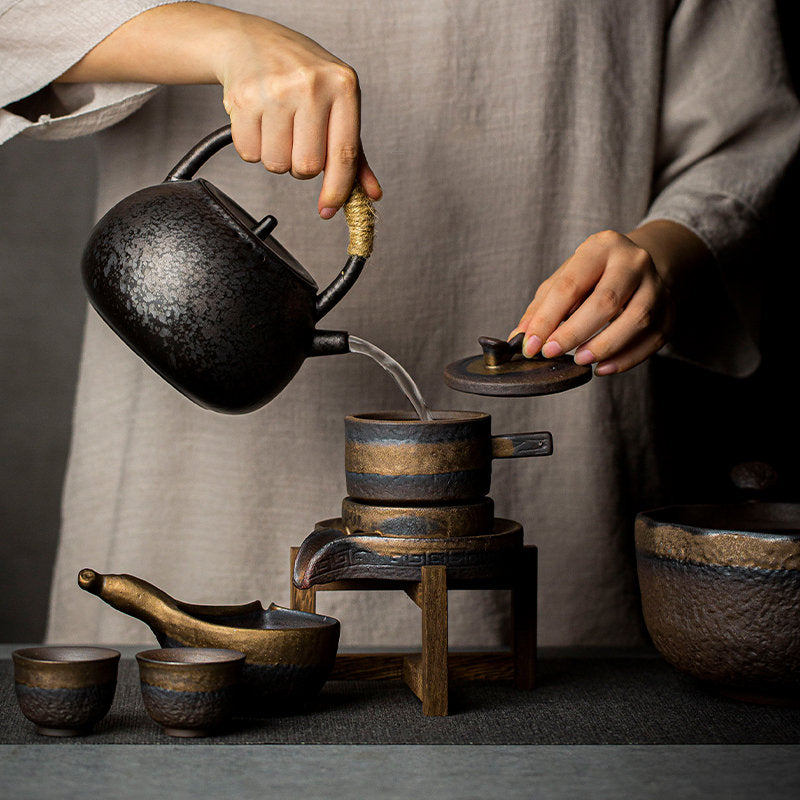
The Cultural Symbolism of Chinese Teacups appears clearly during formal tea rituals. Hosts present teacups with two hands to show respect and sincerity. Recipients respond by rotating the cup slightly before sipping to acknowledge blessing. These small actions create a rhythm of mutual regard and social calibration. Ceremonial sequences often include rinsing cups to symbolize purification of intent. Tea masters teach that precise pouring and cup handling express moral attention. Guests who follow prescribed gestures demonstrate cultural literacy and tasteful restraint. In familial rites, teacups may carry ancestral inscriptions or family emblems. Those marks convert ordinary objects into mnemonic devices, linking present relationships with generational continuity and social duty.
The Cultural Symbolism of Chinese Teacups: Aesthetic Taste and elegant taste
The Cultural Symbolism of Chinese Teacups relates deeply to aesthetic taste and cultivated leisure. Scholars historically prized cups for subtly uneven glazes and kiln surprises that reflect nature’s hand. Aesthetic frameworks such as elegant tastehighlight restraint, suggestion, and inner richness. Collectors and literati seek teacups that prompt reflection rather than ostentation. Tea aficionados often select cups that refract aroma and texture in harmonious ways. Aesthetic preference also signals social identity, education, and cultivated sensibility. Modern designers remix traditional motifs to speak to contemporaryelegant taste without erasing provenance. Balancing originality with respect for lineage produces pieces that satisfy both visual and tactile criteria for discerning drinkers.
Materials, Clay, and Makers’ Marks
Material choice conveys both function and symbolic weight in teacup culture. Yixing clay implies long-term use and seasoning for specific tea families. Jingdezhen porcelain often signals refinement through translucence and fine painting. JianZhan Tenmoku and tenmoku-like glazes suggest tea-tasting sophistication and tactile drama. Makers’ marks, kiln stamps, and painter signatures anchor provenance claims and workshop lineage. Craftspeople sometimes inscribe cups with poems or zodiac emblems that add narrative layers. Buyers who value authenticity examine bases and thermal response to detect genuine techniques. Local clays and firing atmospheres produce regional fingerprints that seasoned collectors can read. Respect for makers keeps artisan traditions alive while informing ethical purchasing choices.
Form, Rim, and the Physical Experience
Form and lip shape determine much of the teacup’s embodied meaning during drinking. Thin rims invite delicate sipping and intimate attention to aroma. A rounded lip disperses liquid broadly, encouraging communal sharing and generosity. Bowl depth affects thermal retention and the cadence of multiple infusions. Handleless cups promote direct hand-to-lip intimacy and tactile connection with the ceramic surface. When hosts select specific forms, they shape not only comfort but social rhythm. Skilled practitioners vary cup size to match tea type and occasion, aligning physical dynamics with ritual aims. Sensory feedback from rim and body informs appreciation, making teacup shape a central semantic feature.
Motifs, Glaze, and Symbolic Language
Motifs and glaze treatments deliver dense symbolic language in teacup culture. Dragons, lotus, and peaches often encode wishes for longevity, purity, and prosperity. Landscape scenes tie a cup to place and literati fantasy. Crackle glazes and intentional imperfections evoke pathos and poetic melancholy. Color choices carry coded meaning as well; red signals celebration while blue suggests quiet reflection. Glaze techniques such as oil-spot or hare’s fur create tactile metaphors for natural phenomena. Patrons that study these motifs learn to read cups like short poems. Curators and sellers who document motif meanings increase transparency and enrich buyer engagement.
Key Symbolic Themes
-
Hospitality and reciprocity as expressed in pouring etiquette
-
Memory and lineage through heirloom teacup transmission
-
Aesthetic cultivation embodied in glaze and rim selection
-
Social signaling via material, motif, and provenance
-
Practical sanctity expressed in ritual cleansing and offering
Key Symbolic Themes Explained
Key Symbolic Themes Explained connects listed symbols to living practices and social consequences. Hospitality manifests when hosts choose particular cups to honor specific guests. Memory and lineage show when cups move through wedding gifts and ancestral rites. Aesthetic cultivation appears as patrons prefer subtle kiln effects over flashy patterns. Social signaling occurs when elites highlight rare provenance or specific maker marks. Practical sanctity appears in rituals such as rinsing or offering the first cup to elders. Each theme influences how people converse around the table, how they document ownership, and how they perform care. Understanding these connections helps hosts choose teacups that carry intended social meanings.
Comparative Table of Teacup Types and Symbolism
| Type | Typical Symbolic Value | Common Use |
| Yixing | Seasoning, longevity, artisan lineage | Gongfu tea practice |
| Jingdezhen porcelain | Refinement, literati taste, display | Formal service, gifting |
| JianZhan Tenmoku | Tasting depth, sensory drama | Connoisseur tasting |
| Family heirloom cups | Memory, continuity, social duty | Ancestral rites, weddings |
How to Read the Comparative Table
How to Read the Comparative Table clarifies practical implications for selection and use. Yixing cups serve repeated brewing and accrue seasoning that modifies taste. Jingdezhen porcelain excels when hosts want delicate painting and formal presentation. JianZhan Tenmoku bowls emphasize tactile glaze effects and visual depth for connoisseurs. Family heirloom cups carry affective weight that often overrides material considerations in ceremonial contexts. Use the table to match tea type, occasion, and social intent when choosing teacups for any event. Doing so aligns practical function with cultural expectation and reduces mismatched signaling between host and guest.
Social Exchange, Gift Giving, and Status Signaling
Teacups function centrally in gift giving and status signaling within social networks. Gifting a rare or antique cup conveys respect and a desire to cement reciprocal obligations. Weddings and business introductions often include teacups as physical tokens of promise and trust. Displaying curated cups in the household signals cultivated taste and inherited capital. Tea merchants and brokers historically capitalized on these dynamics by certifying provenance. Social researchers observe that cups also mediate class boundaries through visible markers of rarity. When sellers provide clear provenance and testing, buyers can transact with confidence and avoid misattributed prestige.
Collecting, Preservation, and Ethical Curation
Collectors should balance aesthetic desire with ethical curation and preservation obligations. Conservation practices minimize intrusive restoration that erases patina, which informs a cup’s history. Documentation matters for market transparency and legal compliance, especially for pieces with archaeological provenance. Ethical curation also considers community ties to makers and regions. Repatriation and fair compensation dialogues affect high-value markets, particularly for cultural heritage items. Collectors that engage with local artisans and document acquisition history help sustain craft ecosystems. Teaching future stewards about proper storage and handling extends cultural memory embedded in teacups.
The Cultural Symbolism of Chinese Teacups: Final Reflections
The Cultural Symbolism of Chinese Teacups reveals layered meanings across ritual, artistry, and social life. Cups function as practical vessels and mnemonic devices that hold memory and obligation. Material, motif, and form each shape how people act, speak, and reciprocate in social contexts. Respectful use and accurate attribution preserve both cultural value and artisan livelihoods. Contemporary makers who reference tradition add new chapters to an ongoing narrative. Readers who attend to provenance, etiquette, and aesthetic subtleties participate in cultural continuity. Thoughtful selection and care maintain teacups as living connectors between past practices and present community life.
Frequently Asked Questions
What does a teacup symbolize in formal Chinese ceremonies?
A teacup symbolizes respect, reciprocity, and social acknowledgment in formal ceremonies. Hosts present cups to elders as expressions of gratitude and filial duty. Recipients often accept with small gestures that confirm mutual obligations and social status. Wedding rituals commonly use teacups to formalize familial ties and transfer blessings between lineages. In ancestral rites, a cup placed on the altar stands for remembrance and continuity across generations. Materials, maker marks, and inscriptions strengthen symbolic weight during ceremonies. Clear provenance and careful selection by hosts ensure that ceremonial intent registers appropriately with participants and observers.
How should collectors document provenance and avoid ethical pitfalls?
Collectors should document provenance with receipts, maker statements, and photographic records that show condition over time. When acquiring high-value or regionally significant cups, request laboratory testing or expert appraisal to confirm authenticity. Always check export permits, and avoid items lacking clear legal history. Engage with local experts and artisans to learn about kiln marks and regional techniques. Support fair compensation for makers when acquiring contemporary pieces. Consider conservation practices that minimize invasive restoration while stabilizing condition. Keeping thorough records facilitates resale, insurance, and potential repatriation discussions in line with international norms.
How can hosts use teacups to foster social connection during gatherings?
Hosts can use teacups deliberately to create rhythm, attention, and shared focus during gatherings. Selecting cups that match the occasion signals respect for guests and the setting. Presenting cups with two hands and inviting sequential tasting gives every guest a moment of recognition. Offering brief commentary about a cup’s origin or motif can deepen communal interest and learning. Encourage quieter, attentive sipping to highlight flavor and foster dialogue. Rotate cups for small tasting rounds to share variety and conversation starters. When hosts prioritize care and cultural sensitivity, teacups become tools for bonding rather than mere tableware.
Share:
The Collectible Value of Handmade Jianzhan Teacups
How to Match the Right Teacup with Tea?