


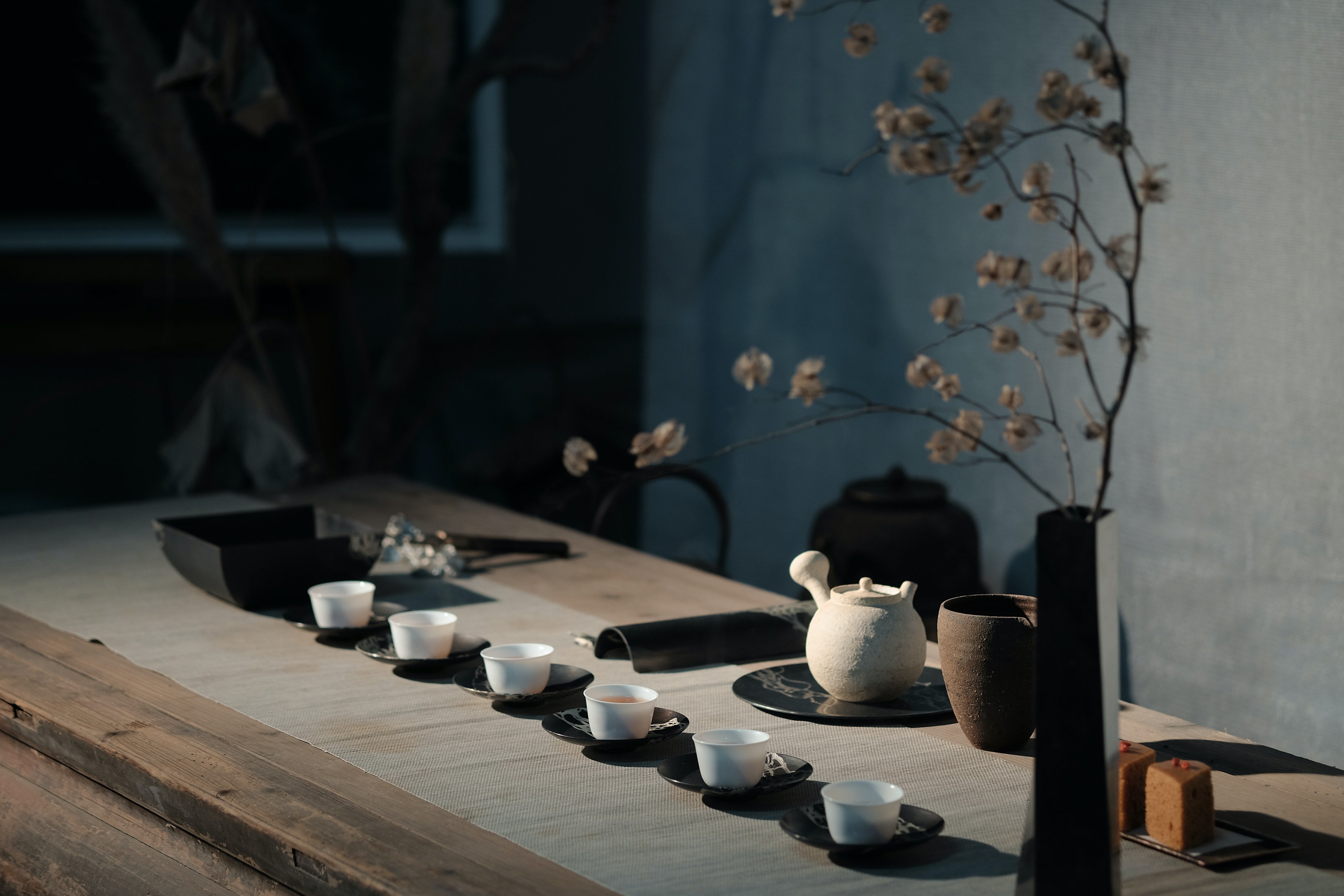
Pros and Cons of Double-Walled Glass Teacups? This question frames practical trade-offs for tea lovers. Many consumers prize clear double walls for color and presentation. Others focus on thermal control and hand comfort when serving hot infusions. Both novices and seasoned brewers weigh visual beauty against real-world fragility. Selecting the right cup depends on routine, brew type, and handling habits. High-quality double-walled cups can elevate tasting sessions. Low-cost variants may disappoint under daily use. Understanding advantages and drawbacks prevents regret after purchase. Thoughtful selection creates balance between aesthetic pleasure and durable performance.
Pros and Cons of Double-Walled Glass Teacups? — Core Overview
Pros and Cons of Double-Walled Glass Teacups? At the core, these cups insulate and display. The double chamber traps air, slowing heat transfer. That preserves beverage warmth while protecting fingers. Visual clarity showcases infusion color and leaf movement. Some models use borosilicate glass for thermal shock resistance. Thin inner walls can feel elegant on the lip. However, the added complexity may raise price and handling care. Buyers should assess whether the visual gains justify maintenance needs. Comparing features across brands helps reveal consistent strengths and weaknesses. Balance your priorities before committing to a particular model.
Pros and Cons of Double-Walled Glass Teacups? — Thermal Performance and Insulation
Pros and Cons of Double-Walled Glass Teacups? Insulation is the headline advantage. The trapped air between walls reduces heat loss effectively. Drinks stay warmer longer without external sleeves. Fingers remain comfortable while holding a hot cup. Cold beverages also resist condensation on the outside surface. That prevents damp rings on furniture. On the downside, insulation makes steam less visible. Aroma may be slightly contained compared with open cups. Some brews rely on immediate aroma release during tasting. Consider the intended ritual when valuing insulation over aroma projection.
Pros and Cons of Double-Walled Glass Teacups? — Durability, Care, and Breakage Risk
Pros and Cons of Double-Walled Glass Teacups? Durability varies by construction and material. High-grade borosilicate resists thermal shock better than ordinary glass. Even so, double walls contain an internal seam that can trap stress. Drops produce complex fractures often beyond repair. Dishwashers risk accelerating micro-cracks over months. Stains and residue hide between walls in poor designs. Repair is usually impossible, requiring replacement. Conversely, careful daily care extends service life significantly. Using a soft cloth and handwashing gentle detergent keeps surfaces pristine. Evaluate build quality and warranty before purchase.
Materials, Taste, and Visual Appeal
Borosilicate glass provides clarity and thermal stability. Other glass types can feel heavier and less resistant. Taste neutrality is often better with glass liners than with metal. Some ceramic or clay pots infuse subtle mineral notes into tea. Double-wall glass preserves the pure beverage flavor without added character. Transparency enhances appreciation of color gradients and leaf unfurling. For tasting sessions, visual feedback helps assess extraction. Aesthetics matter for presentation in social settings. Choose glass when purity of flavor and visual elegance rank high among priorities.
Design, Grip, and Ergonomics
Handle design and rim profile influence comfort dramatically. Thin rims feel precise on the lip and improve tasting. Wide rims change sip spread and mouthfeel. Handles must offer a secure grip while remaining light. Some double-walled cups use no handles and rely on insulation alone. These models require steady hands and caution with hot drinks. Balance and center of gravity matter when setting cups on trays. Ergonomic considerations reduce spillage and enhance pleasure. Test feel in hand where possible before purchase. The right geometry complements both function and visual style.
Insulated glass teacups versus alternatives
Insulated glass teacups compete with ceramic, stainless steel, and clay. Each material offers distinct benefits and trade-offs. Ceramics deliver consistent heat retention and a tactile finish. Stainless steel excels at durability and extreme insulation. Clay, including Yixing, can enhance flavor through seasoning. Glass stands out for neutrality and aesthetic clarity. However, glass usually costs more per unit of durability. Weighing these alternatives reveals if double-wall glass meets your lifestyle. Occasional use favors aesthetic cups, while daily commuters may prefer steel. Make the choice based on use frequency and care tolerance.
Environmental and Practical Considerations
Manufacturing and lifecycle impacts matter for eco-aware buyers. Borosilicate glass uses high-temperature processing. Recycling infrastructure varies regionally. Compared with plastics, glass is more inert and widely recyclable. Longevity reduces per-use environmental cost when a cup survives years. Conversely, frequent breakage raises cumulative material waste. Packaging and shipping fragile items also increase carbon footprints. Practical choices like durable design and local sourcing reduce impact. Consider repairability and warranty when assessing sustainability. Long-term use patterns determine whether double-walled glass proves an eco-friendly selection.
Quick Benefits and Drawbacks
-
Benefit: Excellent visual display of infusion color and clarity
-
Benefit: Good insulation without external sleeves
-
Drawback: Fragility increases replacement likelihood
-
Drawback: Higher cost for quality borosilicate construction
-
Benefit: Neutral taste with no metal transfer
-
Drawback: Potential cleaning complexity if gaps appear
Pros and Cons of Double-Walled Glass Teacups? — List Interpretation
Pros and Cons of Double-Walled Glass Teacups? The list underlines clear trade-offs. Visual appeal and taste neutrality form strong advantages. Insulation supports temperature control and reduces condensation. Fragility and cost represent the main deterrents for many buyers. Cleaning complexity emerges only with inferior joins or poor seals. Premium models usually mitigate cleaning issues with tighter manufacturing tolerances. Regular handwashing preserves clarity and prevents residue building. For collectors, display value often outweighs maintenance. Practical users may prioritize ruggedness and low upkeep instead.
Capacity and Use Cases
| Use Case | Recommended Capacity | Preferred Material |
| Single-cup tasting | 80–150 ml | Double-walled glass or ceramic |
| Casual home drinking | 200–300 ml | Ceramic or insulated glass |
| Commuter travel | 350–500 ml | Stainless steel |
| Tea ceremony | 30–80 ml | Clay or porcelain |
Pros and Cons of Double-Walled Glass Teacups? — Table Interpretation
Pros and Cons of Double-Walled Glass Teacups? Interpreting the table clarifies practical fit. Small tasting servings favor clear glass for visual cues. Medium home cups balance presentation and volume. Large travel needs usually suit insulated steel better. Choosing capacity aligns with how often refills occur. Consider vessel weight when full, and whether lids are needed. Matching cup type to routine avoids compromises during service. Thoughtful pairing increases enjoyment of both fragile and rugged cups.
Buying Advice and Price Considerations
Seek reputable brands with borosilicate specifications and clear warranty terms. Price correlates with glass grade and join integrity. Cheaper doublewalled models often hide thin seals prone to failure. High-end glass includes tested thermal shock resistance. Look for vendor return policies and replacement guarantees. Consider buying one quality cup before committing to a set. Assess local repair options and spare parts availability. Budget for careful handling gear like padded sleeves for storage. Prioritize durable design when frequent use is likely.
Care Practices to Maximize Longevity
Handwash with mild detergent and avoid sudden temperature shocks. Rinse promptly after use to prevent staining and residue. Use soft brushes for narrow rims and spouts. Avoid metal scouring pads and harsh abrasives. Store cups separated by soft padding to prevent chipping. For persistent cloudiness, soak in warm water and baking soda. Replace silicone seals or lids when they display wear. Keep an eye on micro-cracks and stop use if any appear. These practices extend useful life and protect both cup and contents.
Pros and Cons of Double-Walled Glass Teacups? — Final Thoughts
Pros and Cons of Double-Walled Glass Teacups? Overall, dual-wall glass offers elegance and thermal benefits. It suits mindful tea drinkers who value clarity and flavor purity. Fragility and cleaning nuance remain valid concerns. For occasional tastings and presentation-focused service, glass delivers unmatched visual rewards. Heavy daily users may prefer sturdier alternatives like steel or ceramic. Balance aesthetic aims against practical needs before investing. Testing a single high-quality cup can reveal whether double-walled glass complements daily routines. Thoughtful selection leads to satisfying and sustainable tea enjoyment.
Frequently Asked Questions
What makes double-walled glass teacups better for presentation?
Double-walled glass teacups highlight color and leaf motion, which aids sensory evaluation. Clarity allows visual monitoring of infusion strength changes. That feature helps tasters determine optimal steep times. The air gap also prevents condensation, preserving table surfaces. Presentation improves not only for the brewer but also for guests. Aesthetic enjoyment often raises perceived taste satisfaction. For ceremonies or tasting flights, visual feedback becomes part of ritual. Those who value both science and beauty commonly choose glass for these reasons.
Are double-walled glass teacups safe for hot beverages during travel?
Double-walled glass teacups provide insulation that reduces external heat. That makes holding a hot beverage more comfortable. However, fragile construction increases risk during travel. Dropping or hard knocks can cause irreparable fractures. For commuters, insulated stainless steel typically offers safer, more rugged protection. If travel is occasional and careful, padded sleeves and secure lids help. Evaluate commute conditions and handling habits before choosing glass. Frequent movement and rough handling favor sturdier alternatives despite glass benefits.
How should I clean and maintain double-walled glass teacups to avoid damage?
Handwashing immediately after use prevents staining and build-up between walls. Use warm water and mild detergent with a soft sponge or brush. Avoid thermal shocks such as pouring boiling water into a chilled cup. That practice reduces micro-crack formation and extends service life. If cloudiness appears, soak cups in warm water and a mild cleaner. Check seals and replace lids or gaskets when worn. Store cups separately in padded compartments to prevent chips. Regular gentle care preserves transparency and keeps the drinking experience pure.
Share:
Best Teacup Gift Sets for Tea Lovers
How Teacup Design Enhances the Tea-Drinking Experience?