


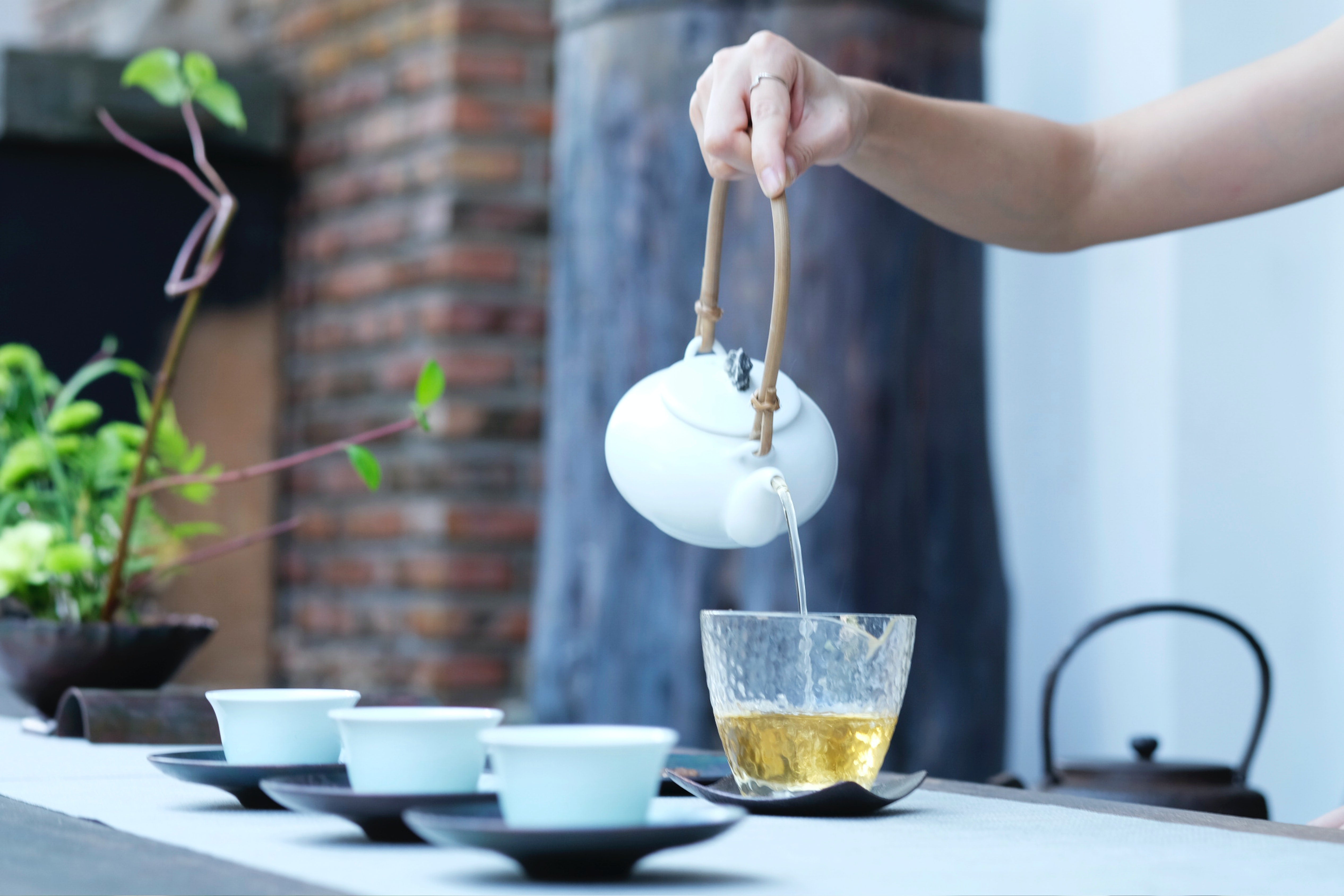
How to Brew Different Kinds of Tea is a subject that fascinates tea lovers worldwide. Brewing techniques influence aroma, flavor, and overall tea experience. Each type of tea requires unique ratios, water temperatures, and infusion lengths. Following careful steps ensures balance between fragrance and taste. Whether preparing green, oolong, puerh, or black tea, precision matters. Adjustments allow personalization according to taste preferences. Seniors and beginners alike benefit from proper instructions. The ritual strengthens cultural appreciation and daily mindfulness. Brewing tea becomes not only a beverage task but also a form of art.
How to Brew Different Kinds of Tea: Key Elements
How to Brew Different Kinds of Tea involves understanding essential factors. Leaf-to-water ratio, water temperature, and steeping time determine results. Using too many leaves can cause bitterness. Water that is too hot may damage delicate flavors. Infusions should be carefully timed to avoid unpleasant aftertaste. Each tea has its own recommended standard. High-quality teaware supports precision and enhances aroma release. Attention to these elements elevates tea drinking into a mindful experience. Once mastered, brewing becomes a skillful routine. Proper balance improves both health benefits and enjoyment.
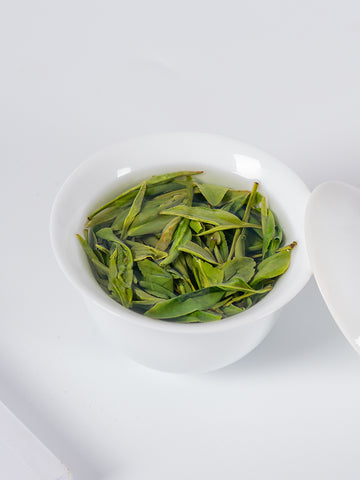
Brewing Green Tea the Right Way
Green tea requires a gentle approach. For 1g of green tea, use 50ml water. Normally, 5–6g of leaves need 250–300ml. Water temperature should be 80–90°C. Brewing time is 30 seconds for the first infusion. Each additional infusion adds 30 seconds, up to three infusions. A glass works well if a Gaiwan is unavailable. Using lower temperatures prevents bitterness or grassy notes. Quality leaves enhance sweetness and fragrance. Brewing green tea carefully maintains freshness and nutritional value. Mastering this tea highlights subtle floral and vegetal flavors.
Oolong Tea and How to Brew Different Kinds of Tea
Oolong tea requires higher temperatures. For 1g, use 20ml water. Regular Gaiwan size needs 8g leaves. The recommended temperature is 90–100°C. First infusion requires only five seconds. Each following infusion increases by five seconds. You can enjoy up to eight infusions. Heat stimulates rich aromas and layered flavors. Oolong’s partially oxidized nature delivers both floral and roasted notes. Brewing this tea properly brings balance between fragrance and body. Consistent practice ensures mastery of oolong techniques. It demonstrates how to brew different kinds of tea with precision.
Brewing Puerh Tea Step by Step
Puerh tea requires careful preparation. For 1g of puerh leaves, use 20ml water. Brewing temperature is 95–100°C. First steep lasts five seconds. Each additional infusion adds five seconds, up to ten total. Ripe puerh needs a quick rinse before brewing. This step removes dust and wakes up leaves. Properly brewed puerh delivers earthy, mellow, and sometimes sweet flavors. Its complexity increases with each infusion. Many tea lovers appreciate its digestive benefits. Mastering puerh brewing highlights patience and cultural appreciation. It represents longevity and deep tradition in tea culture.
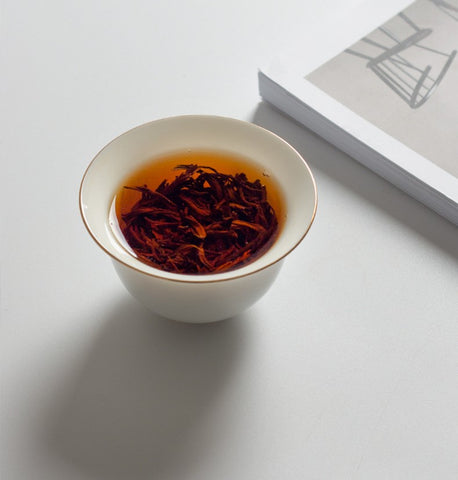
Black Tea and How to Brew Different Kinds of Tea
Black tea requires slightly different handling. For 1g of leaves, use 50ml water. The temperature ranges from 85–100°C. Steep for five seconds at first. Each infusion adds five seconds, up to five total. Leaf quality influences steeping time significantly. Rich black teas can tolerate hotter water. Proper brewing delivers strong, malty, or floral notes. Black tea is versatile and popular worldwide. Seniors appreciate its warming qualities and robust taste. Brewing black tea correctly demonstrates another side of how to brew different kinds of tea. Precision creates a satisfying and flavorful cup.
List of Essential Brewing Tips for Different Teas
-
Use the correct leaf-to-water ratio
-
Adjust water temperature for each type
-
Rinse puerh leaves before the first brew
-
Increase infusion time gradually
-
Select high-quality teaware
Following these tips ensures consistent results. Careful attention makes each cup enjoyable. These practices strengthen understanding of tea traditions. They also highlight differences in how to brew different kinds of tea. Seniors and new drinkers both benefit from structured techniques. Brewing tea becomes an engaging and rewarding process.
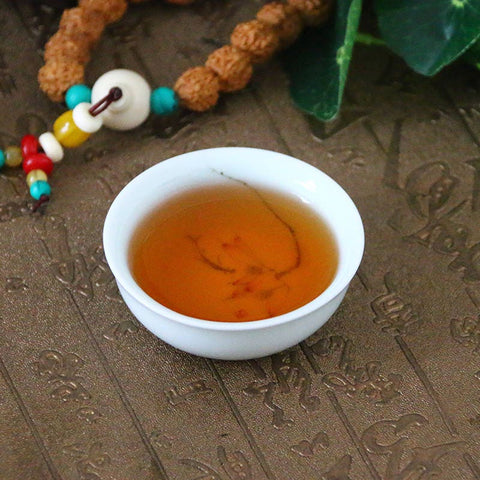
Comparison Table: Brewing Guidelines for Popular Teas
| Tea Type | Ratio | Temperature | Infusions |
| Green Tea | 1g:50ml | 80–90°C | 3 |
| Oolong Tea | 1g:20ml | 90–100°C | 8 |
| Puerh Tea | 1g:20ml | 95–100°C | 10 |
| Black Tea | 1g:50ml | 85–100°C | 5 |
This comparison shows key brewing differences. Each tea requires specific adjustments. Green tea needs cooler water. Oolong thrives with hotter temperatures. Puerh requires rinsing and multiple infusions. Black tea balances strength and aroma with careful timing. Understanding this table helps drinkers choose correct methods. It emphasizes how to brew different kinds of tea with precision. Accurate preparation enhances enjoyment and reflects cultural appreciation.
Frequently Asked Questions
1. Why is water temperature important when brewing tea?
Water temperature plays a critical role in extracting flavors. Using water that is too hot can burn delicate leaves. This problem occurs often with green teas. Cooler water preserves freshness and prevents bitterness. Oolong and puerh need hotter water to release deep aromas. Black teas are versatile and tolerate a wider range. Seniors benefit from controlled temperatures that improve taste and reduce harshness. Proper heat ensures balanced flavor and health benefits. It is essential to know how to brew different kinds of tea by matching temperature with tea type.
2. How many times can tea leaves be reused?
Tea leaves can be infused multiple times if brewed properly. Green tea leaves usually last for three infusions. Oolong teas are famous for sustaining eight infusions. Puerh teas can deliver up to ten flavorful brews. Black teas usually provide five. Increasing infusion time gradually helps preserve flavor. Quality leaves produce more consistent results. Seniors appreciate this because it maximizes value and convenience. Reusing leaves connects to cultural practices of conservation. It also teaches patience in brewing. Mastery of infusion cycles is part of how to brew different kinds of tea successfully.
3. What is the best teaware for brewing tea?
Teaware selection affects brewing quality significantly. Glass cups highlight the clarity of green tea. Porcelain Gaiwans enhance balance for oolong and black tea. Clay teapots enrich the flavor of puerh through natural heat retention. Seniors may prefer lightweight teaware for easier handling. Well-made tools maintain consistent temperatures and support safe use. They also provide cultural and aesthetic value. Choosing appropriate teaware strengthens both functionality and enjoyment. This decision shows respect for tradition and precision. Selecting the right equipment supports learning how to brew different kinds of tea with authenticity and care.
Share:
What Is The Best Material for Making Teacup
Something You Must Know About Gongfu Tea