


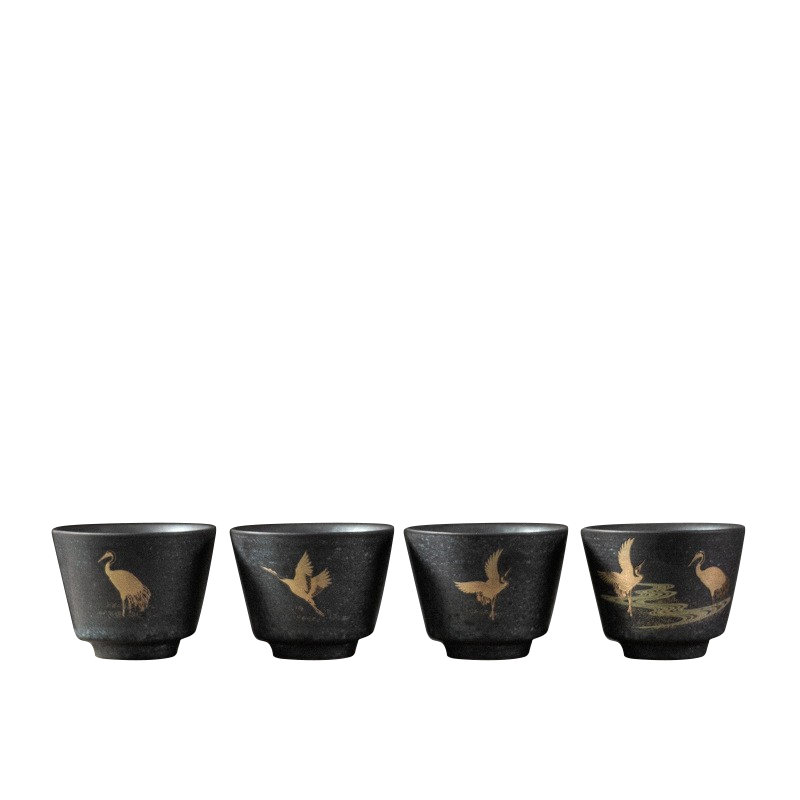
Best teacup for beginners is the phrase to keep top of mind when selecting an entry-level cup. New tea drinkers often focus on looks rather than practical fit. Choosing a cup that matches your teas and routines improves flavor and enjoyment. Durable materials reduce accidental damage for active kitchens. Cups that balance comfort and heat control make daily brewing more pleasant. Matching cup size to typical servings limits waste and preserves freshness. Simple testing at stores reveals lip feel and balance quickly. Thoughtful selection reduces returns and saves time in the long run. Practical choice beats impulse when building a small, usable set.
Best teacup for beginners: Why the right cup matters
Best teacup for beginners matters because cup design alters tasting outcomes. Cup shape affects aroma concentration and perceived sweetness. Wall thickness and rim profile change the temperature at first sip. A well-chosen cup makes green tea feel brighter and oolong more layered. Stability and handle ergonomics reduce spill risk during casual use. Porcelain and glass highlight tea color, enhancing visual enjoyment. Unglazed clays can season over time for dedicated brews. New drinkers who match form to function tend to keep cups longer. Practical choices also lower long-term cost by avoiding mismatched purchases and unused items.
Match cup to tea type
Best teacup for beginners should be chosen with tea type in mind. Delicate green teas perform best in thin-walled porcelain or glass. Robust black teas benefit from thicker-walled cups that retain heat longer. Oolong and puerh often pair well with small bowls or tasting cups. Matcha and whisked teas usually need wide, rimmed bowls for whisking action. When using loose leaf, consider cups that allow easy straining or filtering. Cup volume influences infusion counts and dilution. A small gongfu-style cup suits tasting sessions, while a medium cup fits casual daily sipping. Matching purpose to cup prevents poor extraction and wasted leaves.
Materials and what they do
Best teacup for beginners should align material with brewing goals. Porcelain offers neutrality, showing tea color accurately. Bone china gives a lightweight feel and fine rim for refined sipping. Glass displays infusion color vividly and is simple to clean. Stoneware retains heat and suits longer steeped brews. Unglazed Yixing-style clay can absorb flavors and enhance subsequent infusions. Stainless steel travel cups prioritize durability and insulation for on-the-go routines. Each material also dictates care practices, from handwashing to seasoning. Choosing material thoughtfully helps beginners avoid surprises in performance and maintenance.
Size, capacity, and ritual use
Best teacup for beginners requires thinking about size and intended ritual. Small tasting cups range from 30 to 80 milliliters for concentrated samples. Medium everyday cups typically hold 150 to 220 milliliters and suit most Western servings. Large mugs provide 300 to 400 milliliters for extended sipping or morning routines. Capacity affects cooling rate, infusion strength, and refill frequency. Consider whether you prefer multiple small infusions or a single full cup. Size selection also changes how you brew and how many leaves you use. Choosing consistent cup sizes across a set improves brewing repeatability and storage simplicity.
Design factors, lip feel, and thermal behavior
Lip profile and edge thickness shape mouthfeel for every sip. Thin rims feel crisp and present delicate flavors more directly. Thicker lips provide a rounded sensation that can dampen sharp notes. Cup balance and weight influence handling comfort during long sessions. Thermal behavior matters for safety and aroma release; thin-walled cups cool faster while thick-walled cups preserve heat. Consider glazing and interior finish, as matte textures alter perceived flavor. When possible, sample cups with hot water to test heat transfer and rim comfort. These small tactile checks prevent regret after purchase and ensure consistent enjoyment.
Practical buying checklist for new teacup buyers
-
Identify your primary tea types and typical serving size
-
Choose a material that matches brewing and care habits
-
Inspect rim finish, lip feel, and balance in hand
-
Verify dishwasher and microwave compatibility as needed
-
Request return options when buying online or test locally
Quick checklist explained and how to use it
The practical checklist above simplifies buying decisions for beginners. Start by listing teas you drink most often to prioritize material and size. Handling cups in person reveals lip feel and weight that photos cannot show. Confirming dishwasher compatibility avoids maintenance surprises later. Ask sellers about glazing processes and firing temperatures when possible. When shopping online, pick vendors that offer generous return policies. Using this checklist reduces mismatches between expectation and reality while making the selection process efficient and confident for new collectors.
Comparative table of teacup types and beginner uses
| Type | Typical Capacity | Best For |
| Porcelain cup | 80–220 ml | Green, white, and everyday use |
| Glass cup | 120–240 ml | Visual brewing, green and herbals |
| Stoneware | 150–300 ml | Black tea and longer steeps |
| Yixing-style | 30–120 ml | Gongfu, oolong, puerh |
How to use the comparative table in purchase decisions
The table helps beginners match material and capacity to common tea routines. Porcelain suits most starter sets and shows clarity in color. Glass works well for visual learners who enjoy watching infusion changes. Stoneware supports breakfasts and robust blends that need retained heat. Yixing-style cups shine for intentional gongfu sessions and seasoning practices. Use the table to narrow options before testing in person or ordering samples. Applying these simple pairings reduces wasted purchases and speeds up the learning curve for brewing preferences.
How to test teacups in person and online
Testing teacups in stores gives tactile and thermal insights you cannot get from photos. Pour near-boiling water to evaluate heat transfer and handle comfort. Smell the cup for factory odors when new; some residues wash away with a hot rinse. Online, request high-resolution photos and ask about return timelines. Review customer photos and independent reviews for long-term durability signals. For higher-ticket items, ask for provenance or maker details to confirm value. Keep records of test sessions and notes about rim feel or cooling behavior. These practices make future purchases more predictable and satisfying.
Care, storage, and simple maintenance tips
Proper care extends the life and value of your teacups. Handwashing preserves delicate porcelain and gilding. Avoid sudden temperature changes to prevent cracking. For Yixing-style clay, rinse with hot water only to maintain seasoning. Use padded storage and soft separators when stacking cups. Replace worn silicone seals on travel cups promptly. Label storage with origin and purchase date for insurance records. Regular cleaning prevents stains and preserves surface integrity. Clear maintenance routines help beginners keep their set attractive and functional for daily use.
Styling and pairing for everyday enjoyment
Pair teacups with matching saucers or neutral plates to shape the table aesthetic. Use contrasting napkins to highlight color and pattern without overwhelming the eye. Layer textures by adding wooden coasters or linen placemats for tactile interest. Rotate cups across different teas to experience how material changes flavor perception. When hosting, offer two sizes to match guest preferences and infusion styles. Small rituals, such as warming cups before pouring, create consistent taste profiles. Simple styling elevates everyday tea into a pleasurable ritual for beginners and guests alike.
Where to buy and trusted seller signals
Trustworthy sellers provide clear photos, return policies, and production details. Specialist tea shops and studio potters often offer hands-on testing. Reputable online retailers supply high-resolution imagery and customer reviews. Check for maker marks or kiln information on listings for provenance clues. Local markets and craft fairs give a chance to meet artisans and ask direct questions. For higher-value purchases, request condition reports and shipping insurance. Trusted sellers prioritize buyer confidence with transparent communication and clear after-sales support. Building relationships with reliable vendors makes future buying faster and safer.
Final picks and pacing your collection
Start with one versatile material and size that suits most of your teas. Add specialized cups gradually as your routine clarifies. Keep budget and storage in mind when expanding a set. Try borrowing friends’ pieces before committing to rare or costly makers. Track purchases in a simple log noting source, material, and feel. Aim for balanced sets that match both ceremonial and casual moments. Thoughtful pacing helps beginners learn preferences without overspending. Over time, a modest, well-chosen collection offers both pleasure and practical utility.
Frequently Asked Questions
What makes a teacup the best teacup for beginners?
The best teacup for beginners balances comfort, durability, and purpose. Material neutrality reduces flavor interference. A medium capacity suits most daily routines and cuts waste. A smooth rim and light weight aid sip comfort. Dishwasher compatibility helps busy users maintain sets easily. Clear return policies remove purchase anxiety when ordering online. Testing in person for lip feel and heat transfer gives immediate assurance. Prioritizing these factors makes early choices more reliable and enjoyable for long-term use.
How should beginners pair cups with different tea categories?
Choose thin-walled porcelain or glass for delicate green and white teas to preserve nuanced aroma. Use thicker stoneware to retain heat for black and breakfast blends. For gongfu sessions, select small Yixing-style cups to focus on infusion layers. Match cup capacity to brewing method to control dilution and steeping. Consider material seasoning when repeatedly brewing the same tea family. Maintaining separate sets for delicate and robust teas prevents cross-flavor contamination. These pairings simplify brewing and enhance honest flavor expression for new drinkers.
Can a beginner collect teacups without spending a large sum?
Yes, beginners can build a meaningful collection affordably. Start with versatile, mid-priced porcelain or glass cups. Source from local artisans or trusted online shops offering sample-friendly returns. Prioritize utility and tactile comfort over rare marks initially. Trade or borrow pieces with fellow enthusiasts to test styles before purchase. Over time, reallocate budget to one or two higher-value pieces based on confirmed preference. Documenting purchases and conserving condition increases resale viability. Gradual collecting keeps enjoyment high while minimizing financial risk.
Share:
Jianzhan teacup glaze types: Hare’s Fur, Oil-Spot, Partridge Spot
What are the best teacups for oolong tea?