

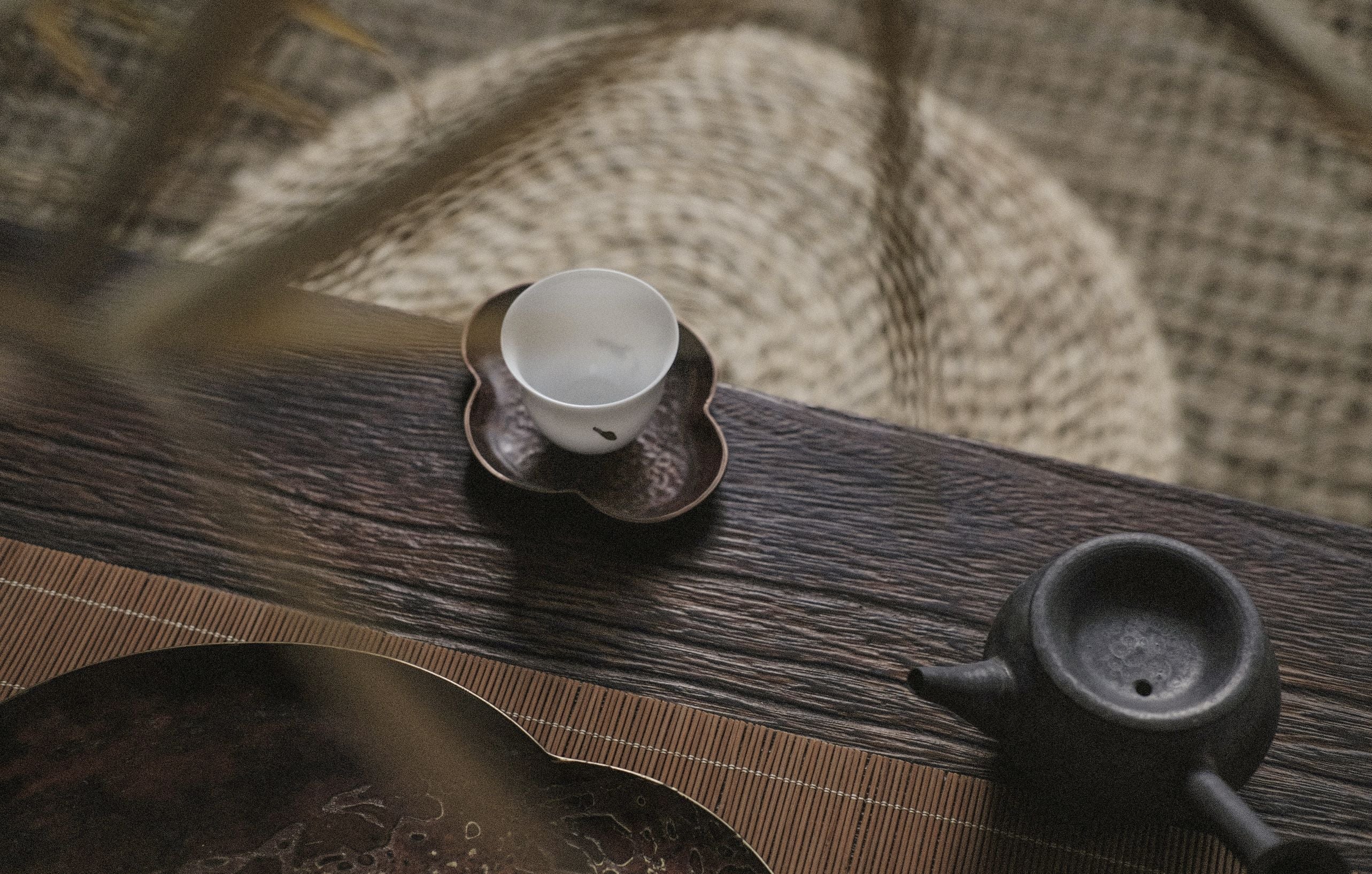
Tenmoku teacups are truly beautiful pieces. They are understated yet full of hidden detail. Their glaze is a true work of art. Their shape may be minimalist. But the impact they have is not. It is no surprise they are highly prized. To many of us, they are as mysterious as their glaze patterns. This text will cover five facts about Tenmoku teacups.
Tenmoku Teacups Have a Rich History
The name Tenmoku comes from Mount Tianmu in China. A temple there was the first place these bowls were used. The style became popular during the Song Dynasty. In China, they are known as Jian Zhan. The name literally means "Heaven's Eye." This refers to the beautiful views from the mountain. The art of making these bowls was brought to Japan. This happened around the 13th century.
The Unique Glaze of a Tenmoku Teacup
No two Tenmoku teacups are ever the same. Their uniqueness makes them highly prized. The glaze uses feldspar and iron oxide. The combination of chemicals and firing creates unique patterns. The quicker a piece is cooled, the blacker the glaze will be. It is very hard to predict the final result. The many variables make each piece impressive. Every teacup is entirely unique to you.
The Art of Firing Tenmoku Teacups
The firing process is an art form itself. It takes place in a special kiln. The temperature must be very high. This is where the magic happens. The iron in the glaze creates patterns. The kiln’s atmosphere and heat are key. The artist has limited control. The final look is often a surprise. The result is a natural, organic beauty. It cannot be fully planned. This is why each Tenmoku teacup is so special.
How to Appreciate Your Tenmoku Teacup
You need to look closely at your bowl. The glaze has many hidden details. You will see patterns like "Oil Spot" or "Hare's Fur." The patterns are beautiful. You should hold the bowl in your hands. Feel its weight and its shape. You will see different colors and textures. These bowls have a quiet power. They are meant to be a part of a quiet ritual. They invite you to slow down.
The Cultural Significance of Tenmoku Teacups
These Tenmoku teacups are a big part of culture. They are important in both China and Japan. They were once a gift from a Chinese emperor. He sent ten Jian ware bowls to Japan. They quickly became highly prized items. The bowls represent a shared history. Their beauty has crossed many borders. They have a lasting appeal to everyone who sees them. They are more than just teaware.
Different Types of Tenmoku Teacups
The first Tenmoku teacups were dark. They were made to show off the lighter tea. Now they come in many colors. You can find them in red, green, and blue. The most prized types have a special name. They are called Yohen Tenmoku. Only three of these bowls still exist. They are all in Japan. They are worth millions of dollars today. This shows how much these bowls are valued.
Understanding Tenmoku Bowl Value
A Tenmoku bowl can be a great investment. Not all of them are worth millions. But they hold their value well. Their value depends on the quality of the glaze. The rarity of the pattern is also a factor. A well-preserved bowl is worth more. Experts look for specific things. They look for the depth of the glaze. They check the details of the pattern. A deep black glaze is often very prized.
Caring for Your Tenmoku Teacups
Taking care of your Tenmoku teacups is easy. They should be hand washed. Use warm water and a soft cloth. Do not use a dishwasher. It can damage the glaze. Do not use strong soap. It can dull the surface. Store them in a safe place. Keep them away from other items. This prevents them from chipping. Proper care will make your teacup last.
The Classic Shape of Tenmoku Teacups
The classic shape is a simple bowl. It is often wide at the top. This shape helps the tea cool down. It is ideal for enjoying the tea's aroma. The base is small and sturdy. This makes it stable. The minimalist design is for a reason. It puts the focus on the glaze. The shape is functional and beautiful.
Here are some classic Tenmoku glaze types:
-
Yohen: This is the most rare type of glaze. It shows iridescent spots. The spots are blue, purple, and green. They look like stars in the night sky.
-
Yuteki: This glaze is also called "Oil Spot." It has tiny silver or black spots. The spots look like drops of oil on the surface. They are very beautiful and prized.
-
Nogime: This glaze is also called "Hare's Fur." It shows fine, dark lines. The lines look like strands of hair. They are very delicate and subtle.
-
Kensan: This is a simple, dark black glaze. It has no special patterns. It is still very beautiful and elegant. It is a true minimalist style.
-
Partridge Feather: This glaze has a special pattern. It looks like the feathers of a bird. It is a very rare and beautiful design. It is highly valued by collectors.
Learning about these glazes is a rewarding experience. It gives you a deeper appreciation. The glaze type tells a story. It tells you about the kiln and the artist. It shows you the bowl's true character.
| Glaze Type | Appearance | Rarity |
|---|---|---|
| Yohen | Iridescent, starry spots of blue and purple | Extremely Rare |
| Yuteki (Oil Spot) | Tiny, metallic silver or black spots | Very Rare |
| Nogime (Hare's Fur) | Fine, dark lines resembling strands of hair | Common |
| Kensan (Black) | Solid, deep black glaze with no pattern | Common |
| Partridge Feather | Pattern resembling a bird's feathers | Very Rare |
This table shows the types of Tenmoku glaze. It helps you identify them. The rarity is a key factor in value. The appearance is what makes them beautiful. Yohen is the most sought-after glaze. It is almost impossible to find. The other glazes are also great.
Conclusion
Tenmoku teacups are more than just teaware. They are works of art. Their history is rich. Their glazes are unique. The firing process is a mystery. They hold a special place in culture. Their value is high. They are a treasure for any collector.
Frequently Asked Questions
1. Why is the glaze on my Tenmoku teacup so special?
The glaze on a Tenmoku teacup is special because of its unique properties. The glaze is made from a high-iron clay. When it is fired at very high temperatures, the iron separates. It creates stunning crystalline patterns. These patterns are very hard to control. The final look depends on many things. It depends on the temperature of the kiln. It also depends on the amount of oxygen in the air. The speed of cooling is also very important. All these factors come together. They create a beautiful, unpredictable pattern. This makes every single teacup unique. A Tenmoku bowl is like a fingerprint. It has a beautiful, natural, and one-of-a-kind pattern.
2. Are all Tenmoku teacups from Japan?
No, not all Tenmoku teacups are from Japan. The style and name are from both China and Japan. The original bowls were first made in China. They were made during the Song Dynasty (960-1279). They are called Jian Zhan in China. The bowls were very popular. They were used by Buddhist monks. These monks brought the bowls to Japan. They brought them back from Mount Tianmu in China. This is how the name Tenmoku came to be. So, the style is Chinese. The name is Japanese. Many modern Tenmoku bowls are made in Japan. They are also made in China today. They are also made by potters all over the world.
3. What is the difference between a Tenmoku teacup and a regular ceramic cup?
A Tenmoku teacup is a specific type of ceramic cup. It has a very special glaze. A regular ceramic cup can be made with any glaze. The Tenmoku glaze is a high-iron glaze. It creates unique crystalline patterns. This is its key difference. A regular cup might have a simple, uniform color. It does not have these special patterns. Also, the shape is classic. It is a wide bowl with a small foot. This shape is specific to this style. A regular cup can have any shape. The Tenmoku style is a work of art. It is a part of a long history. A regular ceramic cup is a simple piece of teaware.
Share:
How much loose tea per cup?
How to Use A Jian Zhan Tenmoku Teacup